A Disaster Enters an Even Grimmer Phase
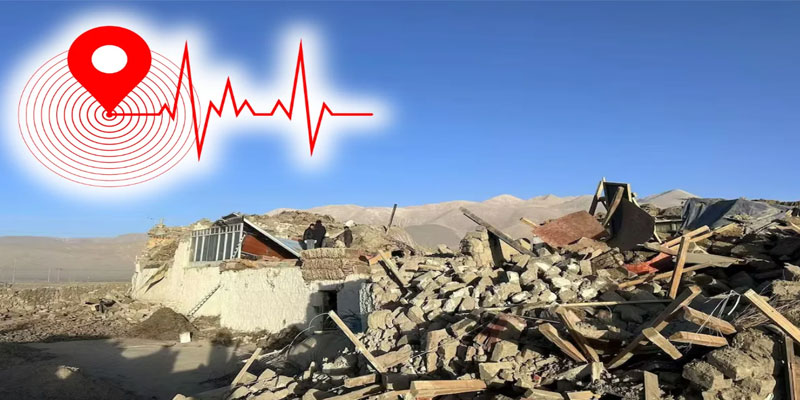
Nepal’s flood disaster has entered a far more devastating phase, with the confirmed death toll reaching 903 and 4,247 people still missing as of August 31. Bodies have been recovered across all eight affected districts, including Chitwan, Nawalparasi East and West, Gorkha, Nuwakot, Dhading, Tanahu and Rasuwa. The scale of the losses means Nepal is now confronting not only an emergency rescue operation, but also a prolonged search, identification and humanitarian-relief crisis.
Prime Minister Balendra Shah has described the catastrophe as an “unimaginable and heart-breaking” natural disaster. Difficult terrain, continuing weather threats and damaged infrastructure are making it exceptionally difficult to establish the full extent of casualties and destruction.
How Himalayan Flash Floods Expose Nepal’s Rescue and Infrastructure Vulnerabilities
The catastrophe began on August 26 after a massive flow of ice, rock, water, mud and debris surged near the Nepal-Tibet frontier, reportedly linked to a glacier collapse or avalanche. The torrent moved through the Bhote Koshi, Trishuli and connected river systems, devastating settlements and damaging roads, bridges and power infrastructure.
The disaster exposes Nepal’s particular vulnerability to cascading Himalayan hazards. Steep terrain, unstable geology, intense rainfall, landslides and glacial instability can combine to produce floods with little warning. At the same time, major infrastructure has increasingly been concentrated along narrow river valleys, where there are limited alternative routes for evacuation and rescue.
Renewed Flood Threat Complicates the Rescue Effort
The emergency has become more difficult because the danger has not disappeared. Authorities have warned communities along the Bhote Koshi River after water levels rose again. On the Tibetan side, officials are monitoring a new barrier lake created behind landslide debris, raising concerns that a breach could generate another sudden downstream surge.
For rescuers, this creates a dangerous dilemma: teams must reach survivors while protecting themselves from secondary floods, landslides and collapsing infrastructure. Every damaged bridge, blocked road and disrupted communication link slows the movement of equipment, medical teams and essential supplies.
Trapped Workers Reveal the Hidden Scale of The Crisis
The most challenging operations are centred on hydropower projects in Rasuwa and Nuwakot. Around 933 workers were reported missing or unaccounted for across 11 project sites and tunnels. Importantly, this is not equivalent to a confirmed death toll; some workers have already been rescued, while authorities believe more than 100 could still be alive but trapped inside debris-filled tunnels.
Specialist teams are using drilling equipment, oxygen pumps, cameras, excavators and other rescue technology. The situation has exposed how vulnerable tunnel-based infrastructure can become when access roads, electricity systems and communications are simultaneously destroyed.
A Warning for Nepal’s Hydropower Ambitions
The disaster poses a serious challenge to Nepal’s hydropower-led economic strategy. Hydropower is crucial to domestic electricity supply, economic growth and future exports, but concentrating projects, worker camps, tunnels and access roads around Himalayan rivers also concentrates risk.
The destruction could delay projects and increase construction, insurance and financing costs. More importantly, it raises difficult questions about geological surveys, tunnel safety, early-warning systems and whether existing infrastructure standards adequately account for rapidly changing climate and glacial risks.
Beyond Rescue: Nepal Must Rebuild for Resilience
The humanitarian challenge extends beyond Nepal’s borders, with 85 security personnel and 320 foreigners among those reported missing. India has provided tunnel-rescue specialists and medical support, while China and other partners have assisted Nepal. The country's request for specialised tunnel rescue, DNA testing and victim-identification capabilities shows how the disaster has stretched conventional emergency-response capacity.
For Prime Minister Shah’s government, saving trapped survivors, evacuating threatened communities and restoring communications remain immediate priorities. But the deeper lesson is unavoidable: in the Himalayas, climate and geological risks are no longer environmental side issues—they are central to public safety, energy security and economic planning. Nepal’s recovery will ultimately be measured not merely by how quickly it rebuilds, but by whether it builds infrastructure capable of surviving the next Himalayan shock.
(With agency inputs)