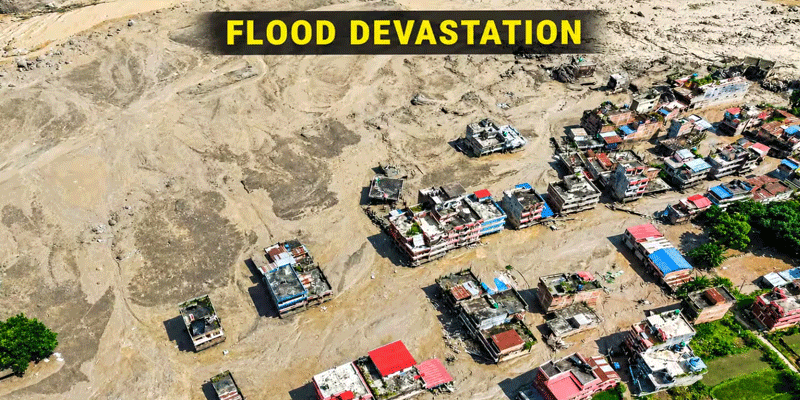
A Himalayan Disaster Leaves Thousands Without Homes
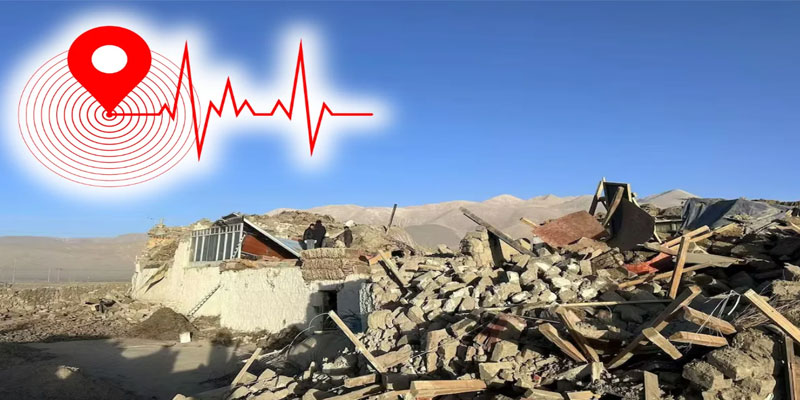
Around 20,000 homes now require rebuilding or major repair across Nepal’s worst-affected districts, while authorities are considering safer relocation sites rather than reconstructing communities in the same danger zones. The shift reflects the scale of devastation caused by the August 26 Bhote Koshi disaster and growing recognition that rebuilding exactly where destruction occurred could expose survivors to another catastrophe.
How the Catastrophe Unfolded
The disaster struck suddenly when an ice-rock avalanche and glacier collapse near the Nepal-China border unleashed an enormous torrent of water, mud, ice and debris into the Bhote Koshi and downstream river systems. Villages, roads, bridges, schools and hydropower infrastructure were overwhelmed within minutes. Satellite imagery subsequently indicated the collapse of glacier and underlying rock, highlighting the extraordinary scale of the event.
The mountainous geography dramatically compounded the crisis. Narrow valleys channelled the debris flow with enormous force, while destroyed roads and bridges left several settlements isolated and made the movement of rescue equipment extremely difficult.
A Reconstruction Challenge of Extraordinary Scale
The destruction extends far beyond individual houses. Thousands of homes were washed away or buried, while many surviving structures are considered too damaged or dangerously located for permanent occupation. Preliminary assessments put the number of homes requiring reconstruction or repair at roughly 20,000, while infrastructure losses run into billions of dollars.
Roads and bridges are particularly critical because their destruction has disrupted access to communities, markets, hospitals and rescue sites. Hydropower facilities have also been badly affected, with search operations continuing around tunnels and underground installations where workers remain missing.
The Human Toll Remains Staggering
By September 3, Nepal's reported toll had reached at least 1,204 deaths, with more than 4,200 people still missing. Rescue teams continue searching debris fields and hydropower tunnels, while thousands of displaced survivors depend on temporary shelters and relief supplies.
The situation remains fluid because damaged communications, unstable slopes, continuing rain and inaccessible terrain complicate efforts to establish definitive casualty figures. International teams, including personnel from India, China and South Korea, are assisting Nepal's search and recovery operations.
From Rebuilding Homes to Relocating Communities
Perhaps the most consequential policy response is the emerging emphasis on relocation rather than simple reconstruction. Nepal's authorities recognise that restoring houses inside former flood paths could recreate the conditions for another tragedy.
The government is therefore considering safer settlement locations and a more risk-informed reconstruction strategy. Nepal's official disaster authorities have acknowledged that detailed assessments are still underway and that substantial international assistance will be required for rehabilitation and reconstruction.
Climate Resilience Must Shape Nepal’s Recovery
The disaster has also intensified debate about climate vulnerability in the Himalayas. Scientists caution that warming temperatures can destabilise glaciers and mountain slopes, increasing the potential for catastrophic events, although attributing any single disaster solely to climate change requires careful scientific assessment.
Nepal is now seeking international support not simply for emergency relief but for long-term recovery and resilience.
Rebuild Safely, Not Simply Rebuild Again
Nepal's greatest challenge is to transform tragedy into a safer future. Reconstructing 20,000 homes is an enormous task; relocating vulnerable communities, redesigning infrastructure and strengthening early-warning systems will be even more important. The real measure of recovery will not be how quickly the destroyed settlements return, but whether the rebuilt Nepalese communities are safer, more resilient and better prepared for the next Himalayan disaster.
(With agency input)