New Equations in South Asia
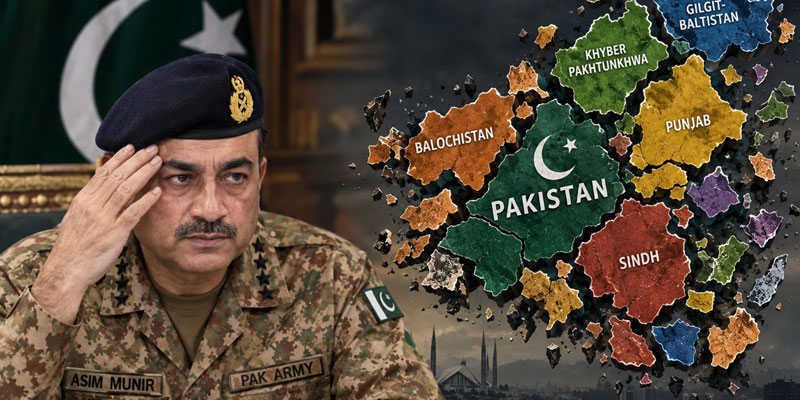
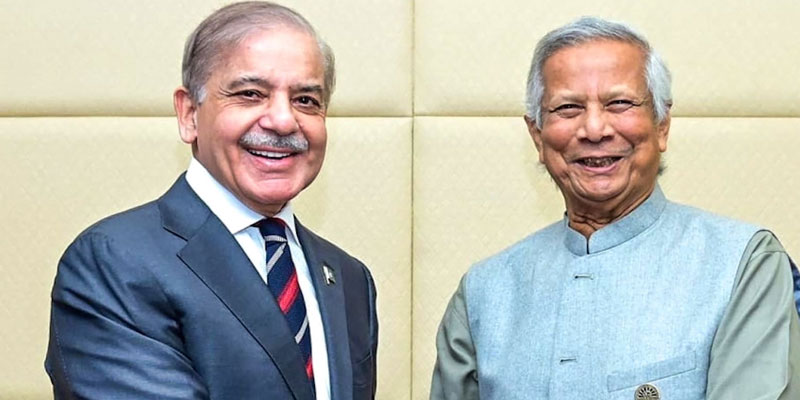
A quiet yet consequential diplomatic shift is unfolding in South Asia. On October 25, Pakistan’s General Sahir Shamshad Mirza, Chairman of the Joint Chiefs of Staff Committee, visited Dhaka for talks with Bangladesh’s interim head of government, Professor Muhammad Yunus. Their discussions—covering trade, connectivity, defense cooperation, and regional stability—signaled a thaw between two nations long divided by the legacy of 1971.
For New Delhi, however, this warming of ties between Islamabad and Dhaka is more than symbolic. It represents a potential realignment in its immediate neighborhood—one that could complicate India’s strategic calculations across economic, security, and geopolitical fronts.
Reviving Old Links: Trade, Connectivity, and Diplomacy
The meeting between General Mirza and Professor Yunus produced several tangible outcomes. Chief among them were the launch of a maritime route between Karachi and Chittagong, plans to open a Dhaka–Karachi air corridor, and a framework for joint ventures in trade, defense, and logistics. Both sides also emphasized cooperation against misinformation and agreed to work together on regional peace initiatives.
While these developments appear primarily economic, their symbolic undertones are difficult to ignore. Reports of a controversial map shown during the meeting—depicting India’s Northeast as part of a so-called “Greater Bangladesh”—have sparked outrage in Indian policy circles. To many analysts, the optics of such exchanges hint at a subtle yet deliberate diplomatic signaling aimed at asserting autonomy from Indian influence.
Shifting Alignments: From Tension to Tactical Engagement
Relations between Pakistan and Bangladesh had been frozen for decades, largely due to the painful memory of 1971 and Dhaka’s prosecution of war criminals tied to Pakistan’s past. Under former Prime Minister Sheikh Hasina, ties remained frosty as Bangladesh aligned closely with New Delhi.
However, the political transition in 2024—following student-led protests that ousted Hasina—has given interim leader Yunus room to recalibrate Dhaka’s foreign policy. By engaging Islamabad, Yunus appears to be diversifying Bangladesh’s partnerships and projecting independence from Indian dominance.
Economic dynamics support this trend. Bilateral trade between Pakistan and Bangladesh rose to $865 million in 2025, a jump of more than 35% from the previous year. The opening of direct sea routes bypassing Indian territory underscores Dhaka’s intent to expand regional options beyond traditional corridors.
Implications for India: Security, Diplomacy, and Identity Challenges
For India, the implications are multi-layered and potentially far-reaching.
· Security Concerns: The 4,096-km India–Bangladesh border remains porous, often exploited by smugglers and insurgents. Intelligence agencies fear that a friendlier Dhaka–Islamabad alignment could enable ISI-linked networks or arms flows into India’s Northeast—reviving memories of past cross-border incidents.
· Diplomatic Setback: India has long viewed Bangladesh as a key development and strategic partner in South Asia. A pivot toward Pakistan—and by extension, possibly China—could erode India’s influence and weaken its regional leadership.
· Symbolic Strains: The revival of identity politics through provocative gestures, such as the disputed map, risks unsettling communal harmony and heightening sensitivities in India’s border states.
Strategic Outlook: Between Competition and Coexistence
Analysts interpret this emerging partnership not as a sudden alliance but as part of a broader multipolar recalibration in the region. Pakistan seeks new allies amid isolation and shifting power equations post-Afghanistan, while Bangladesh looks to balance multiple power centers—India, China, and Pakistan alike.
For New Delhi, the path forward requires strategic agility rather than alarm. It must reinforce border intelligence, expand people-to-people ties, deepen economic cooperation, and maintain active engagement in regional forums like BIMSTEC and SAARC. Quiet diplomatic outreach with Dhaka—and even Islamabad—could prevent polarization and sustain regional equilibrium.
A Test of India’s Neighborhood Policy
The rekindling of Pakistan–Bangladesh ties is not an immediate threat but a strategic reminder that influence in South Asia cannot be taken for granted. For India, this moment demands renewed diplomatic outreach, pragmatic flexibility, and consistent engagement with its neighbors.
Ultimately, maintaining peace and partnership in the subcontinent will depend less on rivalry and more on India’s capacity to lead through cooperation, confidence, and strategic foresight.
(With agency inputs)