Navigating the South Asian Tightrope
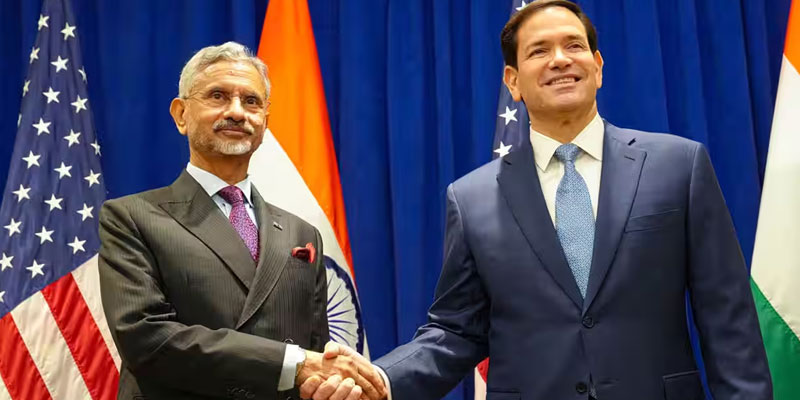
In one of his most closely watched diplomatic statements since taking office, US Secretary of State Marco Rubio has outlined a careful recalibration of Washington’s South Asia policy—one that seeks to strengthen ties with Pakistan without weakening the strategic bond with India. Speaking ahead of his meeting with External Affairs Minister S. Jaishankar at the ASEAN Summit in Kuala Lumpur, Rubio emphasized that closer cooperation with Islamabad would “not come at the expense” of America’s “deep, historic, and vital” partnership with New Delhi.
His remarks come at a time when the Trump administration is reconfiguring its regional approach amid evolving trade frictions, shifting security priorities, and the lingering aftershocks of the May 2025 India–Pakistan standoff, which the US claims to have helped diffuse—an assertion India disputes.
Rubio’s Message: Diplomacy in a Multipolar World
Rubio’s comments mark an attempt to strike equilibrium between two nuclear neighbors long locked in hostility. He defended the US’s renewed engagement with Pakistan as “strategic realism”, stressing that great powers must cultivate parallel partnerships in an interdependent world.
“I don’t think anything we’re doing with Pakistan comes at the expense of our relationship or friendship with India,” Rubio asserted, highlighting the need for multi-alignment rather than rigid alliances. He noted that India itself manages ties with nations like Russia and Iran, underscoring that diplomacy today is less about exclusivity and more about balancing diverse interests.
Rubio also acknowledged India’s apprehensions but expressed confidence in New Delhi’s “maturity and understanding” of the strategic imperatives driving Washington’s decisions.
Revival of US–Pakistan Ties: Strategic Convergence or Calculated Risk?
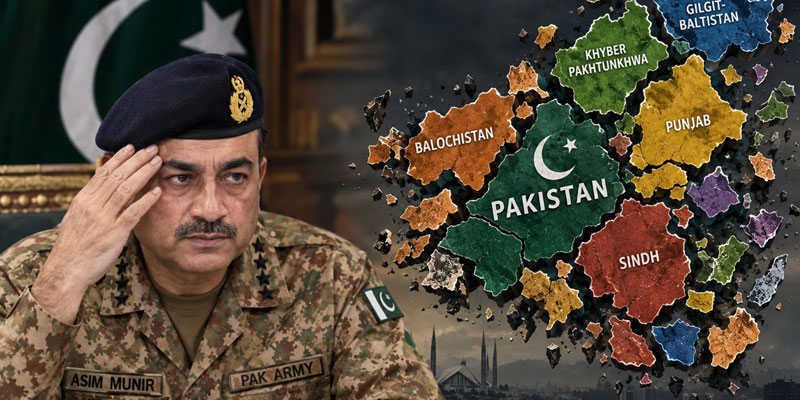
In recent months, US–Pakistan relations have entered a phase of renewed cooperation. The two sides have finalized agreements on mineral extraction, energy development, and defense consultations, including direct talks with Pakistan’s Army Chief Field Marshal Asim Munir. Islamabad has praised the US role in stabilizing regional tensions and facilitating post-crisis dialogue—though India firmly denies any third-party mediation.
However, this rapprochement has not been without consequences. India’s policy makers remain wary, especially after the US imposed 50 percent tariffs on Indian exports, partly in retaliation for Delhi’s continued oil imports from Russia. Rubio, however, reiterated that these steps were policy-based decisions, not indicators of strategic favoritism.
India’s Perspective: Practicing Its Own Multi-Alignment
While cautious, India is no stranger to balancing competing relationships. New Delhi’s foreign policy—rooted in strategic autonomy—relies on diversified partnerships. It maintains defense cooperation with Russia, energy links with Iran, and economic collaborations with the US, Europe, and Japan.
Rubio’s acknowledgment of India’s multi-engagement approach may, in fact, highlight a growing mutual pragmatism. Both countries appear to accept that exclusive allegiances are neither realistic nor desirable in a multipolar Asia, where national interests often intersect without fully aligning.
The Logic Behind the Balancing Act
Rubio’s assurance reflects a deeper recalibration of US foreign policy in South Asia:
· Strategic Triangulation: Washington aims to sustain influence over both India and Pakistan rather than reverting to Cold War–style zero-sum choices.
· Enduring India Partnership: Despite trade disagreements, defense, technology, and people-to-people ties keep the US–India relationship central to American Indo-Pacific strategy.
· Resilient India: New Delhi’s response is likely to emphasize self-reliance and diplomatic diversification, ensuring its interests remain intact regardless of shifting US priorities.
Redefining Diplomacy in a Multipolar Era
Marco Rubio’s remarks signal a mature, multi-vector US policy—one that seeks stability over allegiance and dialogue over division. For India and the US, the road ahead lies in strategic flexibility, not rivalry.
As Washington balances its relationships in South Asia, success will depend on transparency and mutual trust. For now, Rubio’s “not at India’s expense” approach marks a pragmatic shift—recognizing that in today’s interconnected world, partnerships need not be exclusive to be strong.
(With agency inputs)