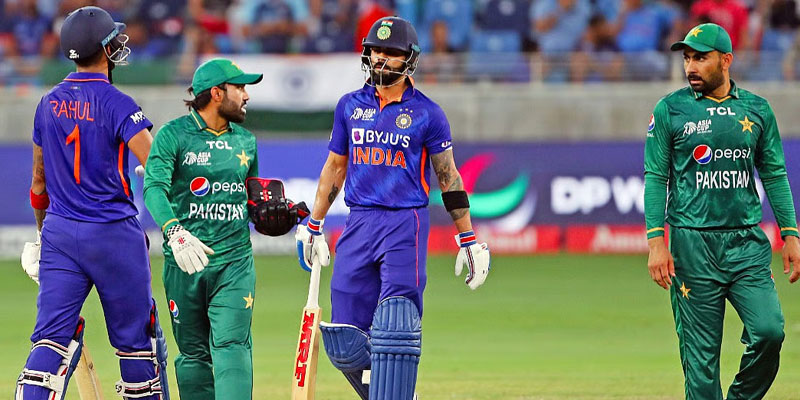
The Asia Cup 2025, one of the continent’s marquee cricket tournaments, has been overshadowed by controversy following the heated India-Pakistan clash. What should have been a celebration of cricket has spiraled into political and administrative discord after India’s players reportedly refused to shake hands with their Pakistani counterparts. The Pakistan Cricket Board (PCB), led by Mohsin Naqvi, has since demanded the removal of ICC match referee Andy Pycroft. With the ICC rejecting that demand, reports suggest that Pakistan has threatened to withdraw from the tournament—a decision that could have severe financial repercussions.
Walking away from the Asia Cup could cost Pakistan between USD 12 to 16 million, a significant portion of its projected cricketing revenue. Under the Asian Cricket Council (ACC) structure, India, Pakistan, Sri Lanka, Bangladesh, and Afghanistan each receive 15 percent of annual revenues, while associate nations share the remaining 25 percent. For the PCB, already operating on a tighter budget compared to the cash-rich Board of Control for Cricket in India (BCCI), forfeiting such an amount would create a serious dent in its USD 227 million annual budget. Losing nearly 7 percent of expected income could disrupt operations, player payments, and grassroots development programs.
The Broadcasters’ Angle
The stakes extend beyond the PCB’s coffers. Sony Pictures Network India (SPNI), which holds an eight-year, USD 170 million broadcast deal with the ACC, depends heavily on marquee India-Pakistan fixtures to drive advertising revenues. Pulling out would not only infuriate the broadcaster but also threaten the credibility of the entire ACC tournament. Since advertisement slots for India-Pakistan matches are sold at premium rates, any disruption in the fixture lineup could result in broadcasters pushing back against their contractual obligations, leaving Naqvi facing a storm both as PCB chief and as ACC president.
Naqvi’s dual role complicates matters further. As Pakistan’s Interior Minister and the head of the ACC, he must balance national pride with pragmatic economics. While taking a hard line against Pycroft might resonate with domestic audiences, withdrawing from the Asia Cup would isolate Pakistan within the ACC boardroom. Other member nations are unlikely to support a country demanding its share of revenues without participating in the most lucrative matches. For Naqvi, the risk is not just financial—it is reputational, both at home and abroad.
A Possible Compromise?
Unless the ACC agrees to reshuffle refereeing duties—such as swapping Andy Pycroft with Richie Richardson in upcoming fixtures—Pakistan may have to swallow its dissatisfaction and continue playing. Any attempt at boycotting matches risks alienating stakeholders, including broadcasters, sponsors, and partner boards, who depend on the Asia Cup’s smooth execution.
More to Lose than Gain
While emotions are running high after the India-Pakistan encounter, a withdrawal from the Asia Cup 2025 seems more symbolic than strategic. The PCB stands to lose millions of dollars, potential goodwill from other cricketing nations, and credibility within the ACC. For the broadcaster, the absence of an India-Pakistan clash would translate into diminished returns, straining long-term partnerships. Ultimately, Pakistan’s threat appears more like a bargaining chip than a practical option. Unless cooler heads prevail, the nation risks sacrificing financial stability and cricketing diplomacy for a gesture unlikely to alter the tournament’s course.
(With agency inputs)