Wholesale Inflation Climbs Despite Moderating Fuel Price Pressures
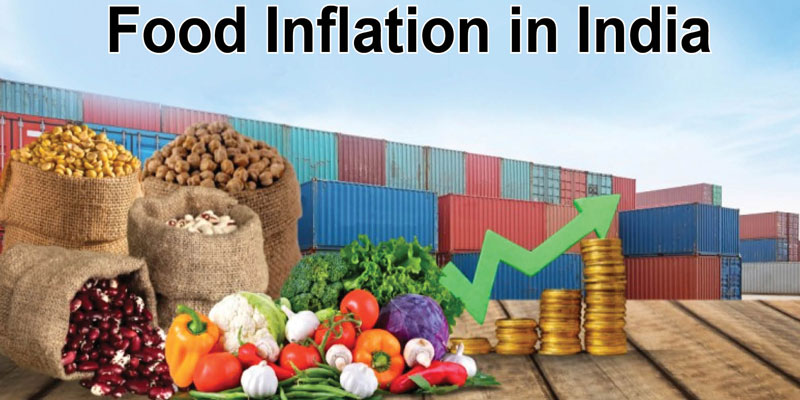
India’s wholesale inflation rose to 9.87 per cent in June from 9.68 per cent in May, driven by a sharp increase in food prices despite easing fuel inflation. The latest Wholesale Price Index (WPI) data indicate that supply-side price pressures continue to remain elevated, reflecting rising costs across key commodity groups. While softer fuel and power inflation offered some relief, it was insufficient to offset the surge in food articles and higher prices of manufactured products, underscoring that inflationary pressures remain deeply embedded across the economy.
Why Wholesale Inflation Matters
Wholesale inflation measures changes in prices at the producer and bulk trade level before goods reach consumers. As a leading indicator of pricing trends, movements in the WPI often influence retail inflation after a time lag, making it an important gauge for policymakers, businesses and investors.
India's wholesale inflation has remained elevated for several months due to a combination of global commodity price volatility, domestic supply bottlenecks and rising industrial input costs. The trend has steadily strengthened, with WPI inflation increasing from 8.26 per cent in April to 9.68 per cent in May, before climbing further to 9.87 per cent in June, suggesting that inflationary pressures are becoming more persistent rather than temporary.
The latest data also reveal that inflation is broad-based. Although fuel and power inflation moderated compared with previous months, prices continued to rise across food articles, petroleum-linked products, basic metals and chemicals, indicating that multiple sectors are contributing to the overall increase.
Key Factors Driving June's Inflation Rise
The most significant contributor to June's wholesale inflation was the continued rise in food prices. Higher prices of food articles kept the WPI food index elevated, signalling that inflation is no longer concentrated in a handful of commodities but is spreading across essential agricultural products. Seasonal supply disruptions, transportation costs and uneven availability of certain food items have all contributed to sustained upward pressure.
Manufactured products also emerged as a major source of inflation. Higher prices of chemicals, basic metals and petroleum-related products increased production costs for industries, adding further momentum to wholesale price growth. These sectors supply critical raw materials for manufacturing, construction and infrastructure, meaning cost increases can ripple across multiple industries.
Although fuel and power inflation eased during the month, the moderation was relatively limited. Lower energy costs helped reduce some pressure on producers, but the gains were largely outweighed by continuing increases in food and industrial input prices. Consequently, the all-commodities WPI index rose to 110.2 in June, up from 109.9 in May.
Economic Implications and Policy Challenges
Persistent wholesale inflation raises concerns because businesses may eventually pass higher production costs on to consumers, particularly if margins come under pressure. With retail inflation also showing signs of firming, the risk of broader price increases across essential goods has become more pronounced.
For households, sustained food inflation could increase the cost of living, especially during the monsoon and upcoming festive season. Industries dependent on metals and chemicals are also likely to face higher operating costs, potentially affecting investment and profitability.
For the Reserve Bank of India, the latest WPI reading reinforces the complexity of the inflation outlook. While easing fuel prices provide some comfort, persistent food inflation and rising input costs could limit the scope for aggressive monetary easing.
Supply-Side Pressures Continue to Shape Inflation
June's wholesale inflation data indicate that India's inflation challenge is evolving beyond fuel prices into a broader supply-side concern led by food and manufacturing costs. The trajectory over the coming months will largely depend on agricultural output, monsoon performance, global commodity markets and industrial input prices. Unless food supply conditions improve significantly and manufacturing costs stabilise, wholesale inflation is likely to remain elevated, posing continued challenges for policymakers seeking to balance price stability with economic growth.
(With agency inputs)