A Stalemate Defined by Violence and Diplomacy
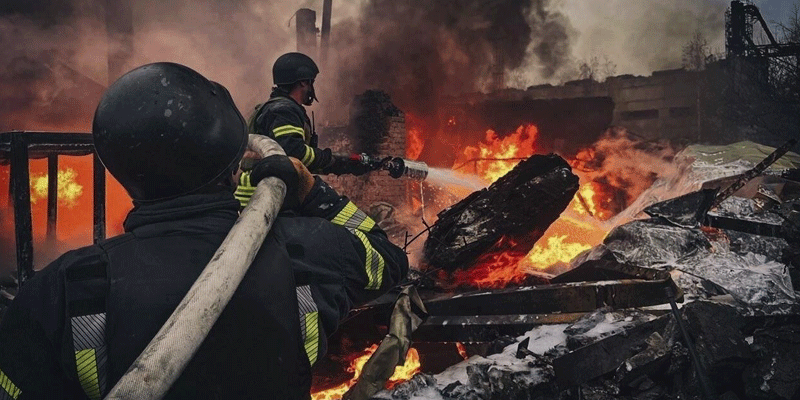
The Russia–Ukraine war, now approaching its fourth year, continues to reshape global politics. What began in 2022 as a full-scale Russian invasion has hardened into a grinding conflict marked by immense human suffering, entrenched battle lines, and spiralling geopolitical tensions. Alongside the devastation, diplomatic efforts have persisted—most notably the United States’ attempt to secure a structured peace through its comprehensive plan. Yet even as negotiations continue, the latest revisions to the proposal underscore just how fractured the path to peace remains.
A War That Redefined Europe’s Security Landscape
Since the first missiles struck Ukrainian cities in February 2022, the conflict has evolved into the most consequential European war in decades. It has redrawn security doctrines, widened global fault lines, and tested alliances across continents. While the U.S. initially floated a 28-point peace framework addressing territorial disputes, demilitarization, and long-term security guarantees, this proposal has now been narrowed to 19 points. The objective remains consistent: find a formula acceptable to both Kyiv and Moscow. Yet as negotiations deepen, disagreements sharpen, revealing the inherent contradictions of seeking compromise amid war.
Russia’s Dismissal of the Revised Plan
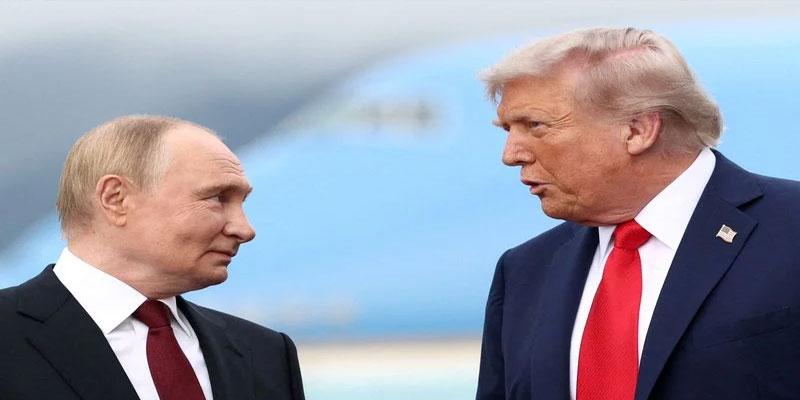
Moscow’s early reaction leaves little room for ambiguity. The Kremlin has rejected the European-backed revision of the U.S. plan, calling it impractical and biased toward Ukraine and its Western allies. President Vladimir Putin has criticized the proposal as lacking serious consultation with Russia—signaling a refusal to accept terms that fail to recognize Russia’s annexed territories or restrict NATO’s potential expansion into Ukraine.
These objections reflect core Russian red lines: territorial recognition, military buffer zones, and limits on Western influence near its borders. Any proposal that undermines these objectives, from Moscow’s viewpoint, is destined to fail.
Ukraine’s Firm but Measured Stance
Ukraine, meanwhile, faces the extraordinary challenge of defending sovereignty while navigating diplomatic pressure. Kyiv has refused any settlement that requires ceding Crimea or the occupied eastern regions, fearing such concessions would legitimize aggression and weaken future deterrence.
At the same time, President Volodymyr Zelenskyy remains open to dialogue—provided the process ensures security guarantees, preserves territorial integrity, and avoids forced recognition of Russian control. Ukraine and its European allies push for a ceasefire based on current lines of control, with future negotiations determining long-term borders.
Washington’s Push and Europe’s Caution
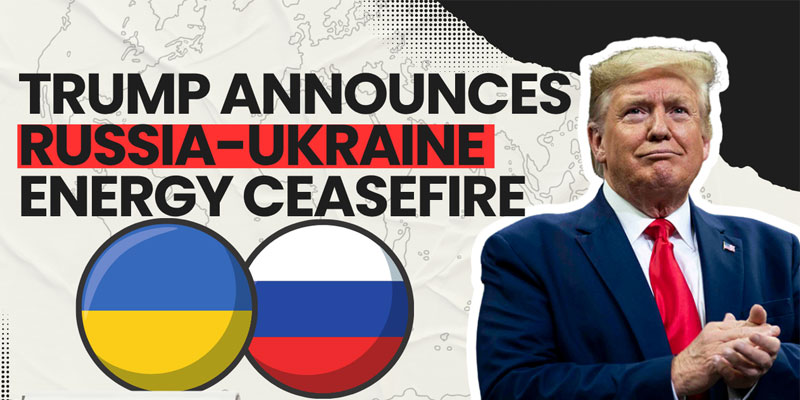
The United States, under President Donald Trump, continues to promote the revised peace plan, though Washington admits the proposal is not final. Trump has urged Kyiv to accept the plan swiftly, warning that delaying negotiations could lead to further losses. His rhetoric has grown sharper, expressing frustration with Ukraine’s reluctance.
Europe, however, takes a more cautious view. EU leaders argue that Ukraine must retain a strong military deterrent and that any settlement should resemble a long-term security guarantee akin to NATO protections.
A Conflict Still Far from Resolution
Despite ongoing talks in Geneva and elsewhere, the core divide remains intact. Russia demands recognition of its territorial gains; Ukraine and its allies reject any compromise on sovereignty. The U.S. seeks rapid resolution, while Europe emphasizes security architecture. The revised peace plan’s uncertain future highlights the deep strategic mistrust embedded in the conflict.
Until these contradictions are reconciled, the war is likely to persist—its consequences felt far beyond the front lines, shaping the future of European security and the global balance of power for years to come.
(With agency inputs)