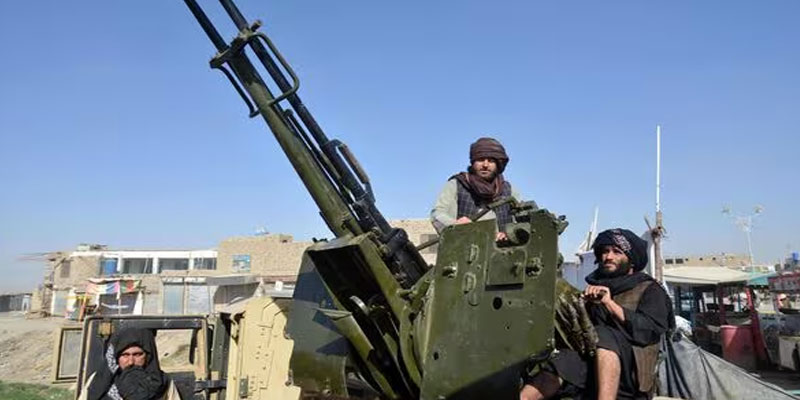
A Night of Tragedy in Khost
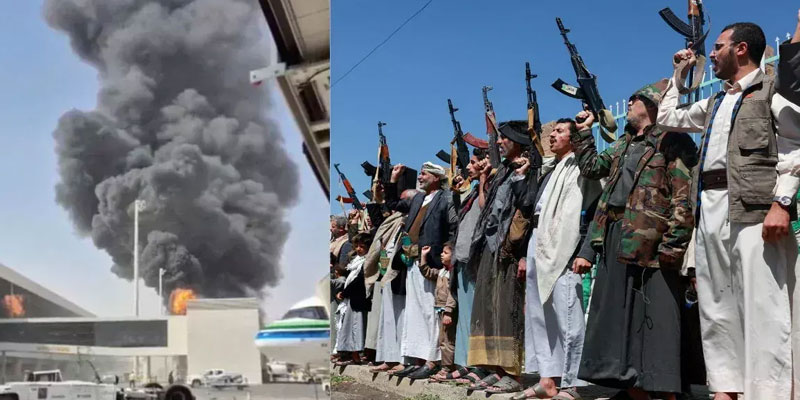
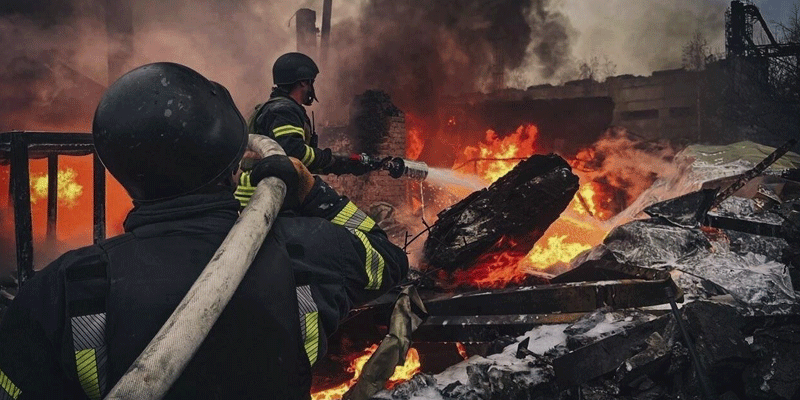
Pakistani forces recently bombed a residential home in Afghanistan’s south-eastern Khost province, killing at least nine children and one woman. The attack, which struck the Mughalgai area of Gurbuz district late at night, destroyed the home of civilian Waliat Khan. Additional Pakistani raids in Kunar and Paktika reportedly injured four others, deepening alarm over intensifying cross-border hostilities in a region long marred by violence and mistrust.
A Relationship Rooted in Rivalry and Suspicion
Pakistan and Afghanistan share one of South Asia’s most complex bilateral relationships—shaped by overlapping ethnic ties, conflicting strategic interests, and persistent allegations of militant support on both sides. For decades, Islamabad has accused Kabul of harbouring anti-Pakistan insurgents, particularly the Tehreek-e-Taliban Pakistan (TTP). In turn, successive Afghan governments—and now the Taliban—have charged Pakistan with backing various militant groups and undermining Afghan sovereignty through covert operations and cross-border strikes.
These mutual suspicions have created a combustible environment where diplomacy often falters, ceasefires collapse, and cycles of retaliation rapidly escalate. The porous and contested Durand Line only compounds these tensions, making border incidents both frequent and politically explosive.
Escalation in 2025: Precision Strikes and Political Deadlock
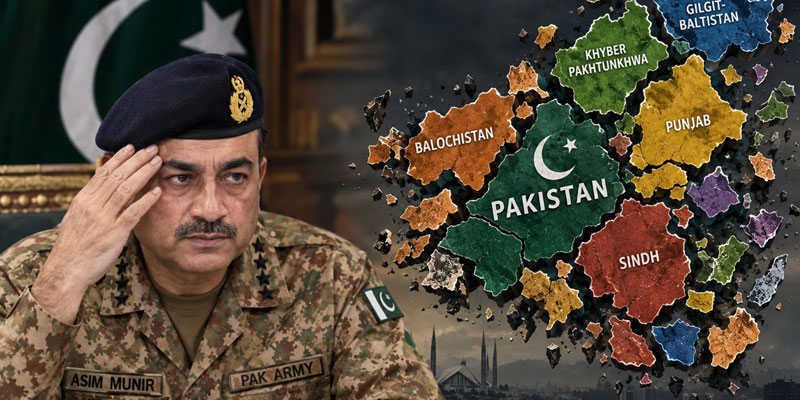
The year 2025 has seen a marked rise in hostilities. Pakistan has intensified precision airstrikes targeting alleged Taliban and TTP positions inside Afghanistan, arguing that militants operating from Afghan soil pose severe threats to its internal security. Islamabad claims the Khost bombing and similar operations are part of counterterrorism measures necessary to prevent future insurgent attacks.
The Afghan Taliban government, however, has denounced these actions as violations of sovereignty designed to exert political pressure rather than curb terrorism. Kabul argues that Pakistan is using military aggression to compensate for its inability to address domestic instability and growing insurgent challenges within its own borders.
Recent escalations have shredded the delicate diplomatic progress made earlier in the year through mediation led by Turkey and Qatar. Talks collapsed in early November 2025, with the Taliban rejecting Pakistani demands—including issuing religious decrees against ongoing insurgencies and taking responsibility for Pakistan’s internal security—as unrealistic and intrusive.
This diplomatic breakdown leaves a vacuum filled by violence, mistrust, and competing narratives, sustaining a dangerous equilibrium with no clear path toward de-escalation.
Regional and International Stakes
The latest airstrikes have drawn international concern. Former U.S. envoy Zalmay Khalilzad and several global actors have urged both sides to reengage in diplomacy grounded in practical concessions rather than rigid preconditions. India has taken a firm stance in support of Afghanistan’s territorial integrity while condemning cross-border militant activity originating from Pakistan.
For the broader region, continued hostilities threaten to destabilize trade routes, inhibit humanitarian access, and empower extremist groups that thrive in chaotic border zones. The humanitarian toll—exemplified by the deaths of children in Khost—underscores the urgency of averting further escalation.
A Cycle That Must Be Broken
The deadly bombing in Khost and related raids in Kunar and Paktika serve as stark reminders of a cycle of violence driven by strategic mistrust and unresolved political disputes. Civilians continue to bear the heaviest burden as military actions escalate without meaningful diplomatic progress. Breaking this cycle will require renewed dialogue that confronts core issues: sovereignty, militant sanctuaries, and mutual security guarantees.
Unless Pakistan and Afghanistan find a pragmatic path to cooperation, the region risks deeper instability—and more tragedies like the one that struck Khost.
(With agency inputs)