A Familiar Flashpoint in US–India Relations
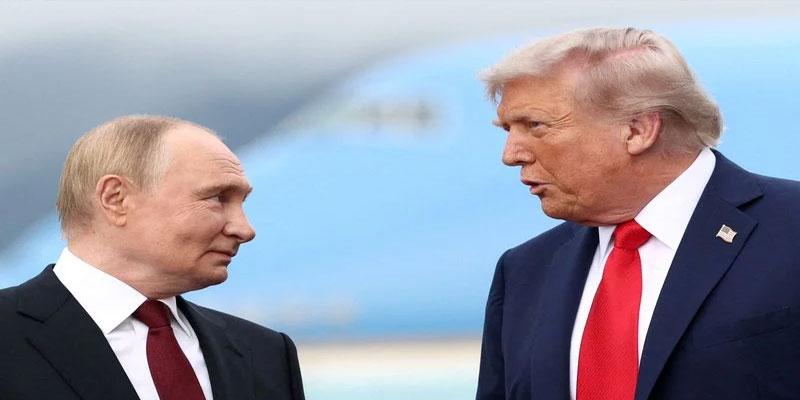
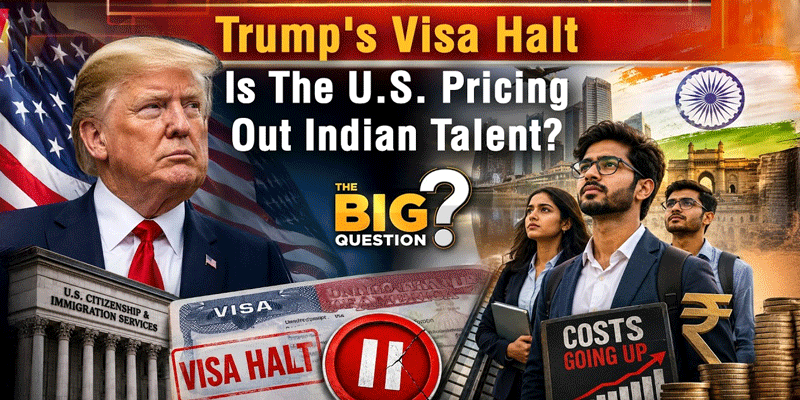
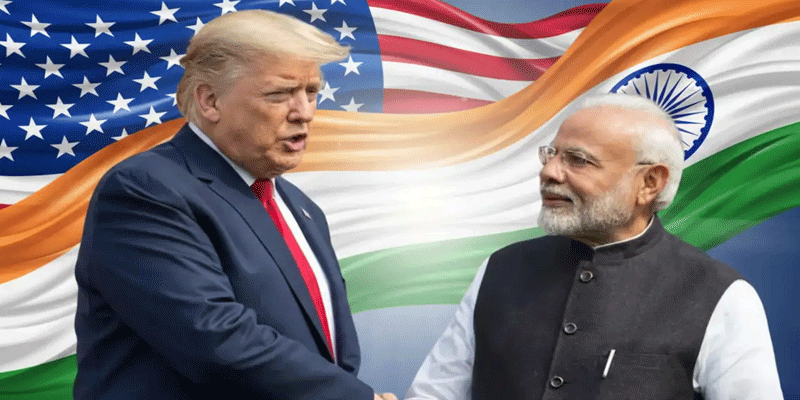
The United States–India relationship has weathered repeated trade disputes, but Washington’s latest criticism marks a renewed escalation. President Donald Trump’s trade adviser, Peter Navarro, has reignited tensions by accusing New Delhi of running a “profiteering scheme” through discounted Russian oil imports. The controversy has revived debates over tariffs, energy security, and geopolitics, with punitive duties of up to 50% on Indian goods scheduled to take effect from August 27.
Navarro’s Charges: Oil, Profits, and War
Speaking outside the White House, Navarro alleged that India has turned into a “laundromat for the Kremlin.” Before Russia’s full-scale invasion of Ukraine in 2022, India imported just 1% of its crude from Moscow. That figure now stands at 35%. According to Navarro, India buys Russian oil at a discount, refines it into fuels such as diesel and petrol, and sells it to global markets at premium prices—profits he argues are indirectly financing Russia’s war machine.
He was equally blunt about the economic fallout for the US: “India is the Maharaja of tariffs. We face higher non-tariff barriers, a massive trade deficit, and now they use American money to buy Russian oil. The Russians build arms, Ukrainians die, and US taxpayers’ foot the bill for aid. That’s insane.”
India’s Counter: Energy Security Over Politics
New Delhi has flatly rejected Washington’s accusations. External Affairs Minister S. Jaishankar, during a recent visit to Moscow, insisted India’s oil purchases are a matter of national interest and global market stability. “It was the US itself that urged India to help steady energy supplies after the Ukraine crisis. We are simply doing what was asked—ensuring markets remain stable and affordable,” he said.
Officials stress that India, the world’s third-largest energy consumer, cannot afford to ignore cost-effective supplies. With global crude prices volatile, discounted Russian oil has become indispensable for domestic needs and industrial growth.
The Numbers Game: Rising Imports, Rising Friction
India’s oil imports from Russia have skyrocketed since sanctions side-lined Moscow from Western markets. From a negligible 1.7% in 2019–20, Russia’s share surged to more than 35% by 2024–25, making it India’s top crude supplier. Reports estimate India now accounts for over a third of Russia’s global oil exports.
This growth has coincided with the Group of Seven’s $60 price cap on Russian crude, aimed at squeezing the Kremlin’s war revenues. The Trump team, however, argues that India’s refiners bypass the spirit of these sanctions by re-exporting fuel products at higher margins.
Double Standards? The China Question
Critics in New Delhi have noted a glaring inconsistency: while Washington threatens India with tariffs for buying Russian crude, China—Moscow’s largest oil customer—faces no similar penalties. Navarro brushed aside such comparisons but acknowledged that New Delhi’s outreach to Beijing has drawn attention. In recent weeks, India and China agreed to revive discussions on their disputed Himalayan border, prompting Navarro to accuse Prime Minister Narendra Modi’s government of “cosying up” to Xi Jinping.
Meanwhile, China’s envoy in Delhi seized the moment, declaring that Beijing “firmly stands with India to uphold the multilateral trading system,” a statement that signals how the dispute could reshape alignments in Asia.
Trade at Risk: From Friendship to Friction
At the heart of the dispute lies Trump’s tariff threat. Duties on Indian goods have already doubled to 50%, with a 25% surcharge specifically tied to Russian oil purchases. For Indian exporters, from textiles to pharmaceuticals, this could mean a serious hit in their largest overseas market.
Navarro, long known for his protectionist stance, insists the move is about fairness: “What India is doing is not creating peace—it is perpetuating war.” Yet analysts caution that such measures may backfire, undermining a strategic partnership Washington has long courted as a counterweight to China.
Between Realpolitik and Responsibility
The latest flare-up over oil highlights the fragile balance India must strike between energy security, global expectations, and its own strategic autonomy. While Navarro’s rhetoric reflects the Trump camp’s hawkish trade agenda, New Delhi’s stance underscores a pragmatic reality: discounted Russian crude is too central to abandon, especially when alternative supplies are costlier.
Ultimately, punitive tariffs may hurt both economies without resolving the underlying issue. If Washington truly wants to constrain Moscow’s revenues, it will need to engage India through cooperation rather than coercion. For New Delhi, diversifying its energy basket and demonstrating transparency in its oil trade could blunt criticism while preserving autonomy.
The challenge, therefore, is to move the conversation from accusations to collaboration. Anything less risks turning a vital partnership into another casualty of geopolitical crossfire.
(With agency inputs)