A Seven-Year Gap Could Finally Be Bridged
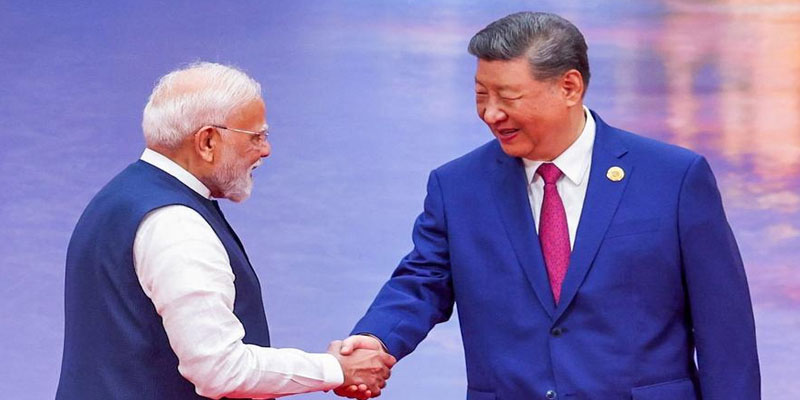
Chinese President Xi Jinping is expected to visit India for the BRICS Summit in New Delhi on September 12–13, which, if confirmed, would be his first visit in nearly seven years. The proposed trip comes at a crucial moment: New Delhi and Beijing are cautiously rebuilding engagement after the rupture caused by the 2020 Galwan Valley clashes. Reuters reports that Chinese officials are already working on hotels and security arrangements, while Xi could bring a delegation of around 400 officials. However, his visit has not yet been officially confirmed.
From Galwan Crisis to a Carefully Managed Thaw
The 2020 border clashes transformed India-China relations. The deaths of 20 Indian soldiers and four Chinese soldiers shattered the earlier assumption that economic and diplomatic engagement could continue separately from the boundary dispute. India subsequently tightened scrutiny of Chinese investments and technology, while both countries maintained substantial military deployments along the Line of Actual Control.
Yet neither side has allowed the relationship to collapse completely. Trade has remained substantial, diplomatic channels have continued, and recent leader-level contacts have created space for a cautious thaw. The proposed Xi visit would therefore represent not a return to pre-2020 relations, but an attempt to establish a more manageable framework for competition.
The timing is particularly significant. India’s National Security Adviser Ajit Doval is in Beijing for the 25th round of Special Representatives’ talks with Chinese Foreign Minister Wang Yi on August 25. China has described the mechanism as the principal channel for boundary negotiations and wider communication on issues of mutual interest.
What a Xi–Modi Meeting Could Achieve
A meeting between Xi and Prime Minister Narendra Modi would be valuable primarily for restoring strategic communication. Its potential outcomes could include:
· Stabilising the border: Reinforce commitments to peace, tranquillity and existing disengagement arrangements along the LAC.
· Reviving boundary negotiations: Give political momentum to the Special Representatives mechanism and explore practical steps towards de-escalation.
· Preventing another Galwan: Establish stronger military and diplomatic communication channels to prevent local incidents from escalating into a wider confrontation.
· Managing economic friction: Address trade imbalances, market-access concerns and restrictions affecting investment and business cooperation.
· Strengthening BRICS coordination: Coordinate positions on reform of global institutions, Global South priorities and the evolving international economic order.
· Creating strategic guardrails: Establish mechanisms allowing India and China to compete while preventing rivalry from becoming permanently destabilising.
The previous round of boundary talks in 2025 produced understandings covering border management, de-escalation, trans-border rivers and the reopening of traditional border trading markets, providing a possible foundation for further progress.
Why the Thaw Will Have Clear Limits
A summit meeting alone cannot resolve the fundamental disagreements between the two Asian powers. The boundary remains unsettled, strategic competition continues across the Indo-Pacific, and India remains concerned about China’s military posture and regional influence. Recent border-related disputes also demonstrate how fragile the improvement remains.
Moreover, New Delhi is unlikely to separate broader relations from developments along the LAC. For India, durable normalisation will require not merely diplomatic assurances but predictable and verifiable stability on the ground.
A Summit That Could Set Rules for Rivalry
If Xi comes to New Delhi, the significance will extend beyond the BRICS agenda. After seven years, his presence would signal that both governments recognise the costs of allowing competition to remain unmanaged.
The real measure of success, however, will not be the symbolism of a handshake but what follows it. A Xi–Modi meeting could open the door to stabilisation, but only sustained border peace, institutional dialogue and practical cooperation can turn a diplomatic thaw into durable strategic balance.
(With agency inputs)