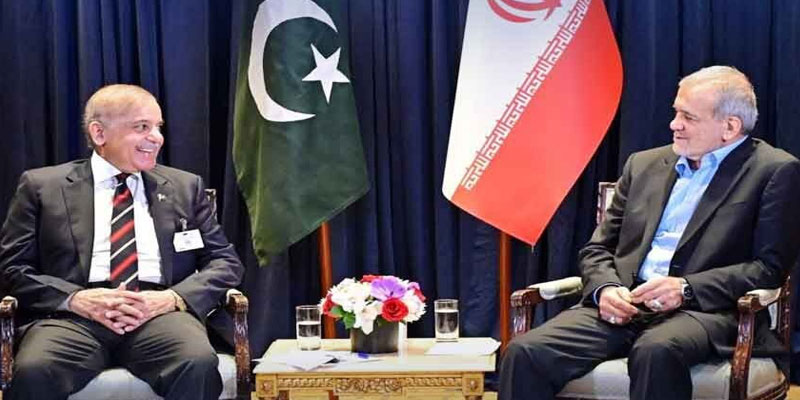
Tensions on the Edge: Pakistan Seals Border with Iran
In a swift and unprecedented move, Pakistan has closed all five border crossings with Iran in Balochistan amid rising regional instability triggered by the escalating conflict between Iran and Israel. The shutdown affects major border districts including Chaghi, Washuk, Panjgur, Kech, and Gwadar, halting pedestrian movement and fuel transportation indefinitely.
According to senior Balochistan official Qadir Bakhsh Pirkani, the decision was taken in light of Islamabad’s concern over growing hostilities in the Middle East and the potential for spillover effects that could destabilize Pakistan’s western front. Key crossing points such as Gabd-Kalato have been shut, although unconfirmed reports suggest Taftan border may still allow trade and repatriation of Pakistani citizens, while barring new entries into Iran.
A Firestorm in the Middle East
The Middle East stands at the brink of a broader war as Iran and Israel engage in direct military confrontation. The latest phase erupted with Iran launching a barrage of missile strikes on Israel, reportedly in retaliation for Israeli attacks on Iranian oil refineries and the assassination of a top Revolutionary Guard intelligence chief. Tel Aviv and other major cities were rocked by air raid sirens and rising plumes of smoke in the early hours of Monday.
Israel has responded aggressively, asserting that it has achieved “aerial superiority” over Tehran. Israeli military spokespersons claim their forces have crippled Iran’s air defenses and missile systems, enabling their aircraft to conduct operations in Iranian airspace with minimal resistance.
The death toll is mounting rapidly. Iran’s health ministry reported 224 fatalities since Israel’s campaign began on Friday, while Israel reported 14 deaths and 390 injuries during the same timeframe.
Iran and Pakistan: A Complex Relationship
Iran and Pakistan share more than a 900-kilometer border, but their relationship is layered with economic, religious, and geopolitical complexities. While both countries often express a desire for cooperation, especially in border security and trade, mistrust has lingered due to cross-border militant activity, sectarian tensions, and competing alliances.
In this volatile moment, Pakistan’s decision to shut the border underscores both a defensive necessity and a strategic distancing from Tehran’s escalating conflict with Israel. The border closure is not just a security measure—it’s a signal that Islamabad prioritizes internal stability over regional entanglements.
To mitigate risks to its citizens, Pakistan has also evacuated 450 pilgrims from Iran, with further evacuation missions planned for students and travelers in both Iran and Iraq. A 24/7 Crisis Management Unit has been activated in Islamabad to coordinate repatriation and provide urgent assistance.
A Region on the Brink—Caution Over Complicity
Pakistan’s decisive closure of its Iran border reflects a broader concern: the Middle East’s volatility threatens to engulf even its neighbors in South Asia. With missiles flying and casualties rising, the Iran-Israel conflict is no longer a localized confrontation—it’s a regional crisis with global reverberations.
As Islamabad urges its citizens to avoid unnecessary travel and remain alert, the message is clear: security must trump sentiment, and neutrality may be the best defense in a war of giants.
In a time where alliances are tested and regional fires burn dangerously close, Pakistan must navigate this moment with clarity, prudence, and preparedness—before the flames cross its own borders.
(With agency inputs)