Islamabad Pushes Back Against Renewed US Initiative
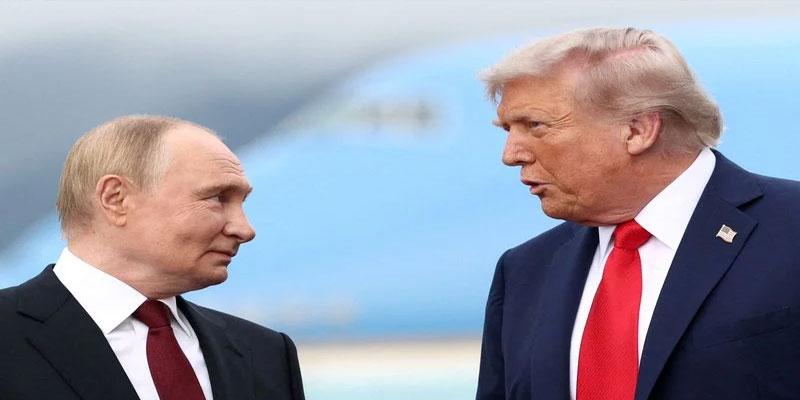
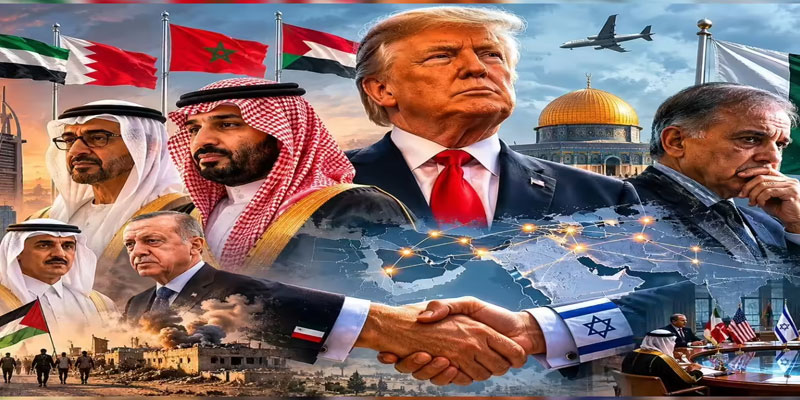
The Abraham Accords have once again moved to the forefront of Middle East diplomacy as US President Donald Trump seeks to expand the framework to include additional Muslim-majority nations. However, Pakistan has firmly rejected calls to join the initiative, making clear that its position on Israel remains tied to the Palestinian issue and is not subject to external pressure.
The development highlights the challenges facing Washington’s efforts to reshape regional alliances in the aftermath of heightened tensions involving Iran and broader geopolitical shifts across the Middle East.
What Are the Abraham Accords?
The Abraham Accords were first signed in 2020 under Trump’s previous administration. Brokered by the United States, the agreements established formal diplomatic relations between Israel and several Arab countries, beginning with the United Arab Emirates and Bahrain, followed later by Morocco and Sudan.
The accords were widely viewed as a breakthrough in regional diplomacy because they bypassed decades of conventional thinking that normalization with Israel would only follow a resolution of the Israeli-Palestinian conflict. Supporters argued that the agreements promoted economic cooperation, security coordination and regional stability, while critics contended that they side-lined Palestinian aspirations.
Trump’s Renewed Push for Expansion
Since returning to office, Trump has revived the Abraham Accords as a central element of his Middle East strategy. His administration has reportedly sought to persuade additional Muslim-majority countries—including Pakistan, Saudi Arabia, Qatar, Turkey, Egypt and Jordan—to establish formal ties with Israel.
The effort is being framed as part of a broader regional realignment that would follow the easing of tensions surrounding Iran. Trump has repeatedly argued that expanding normalization agreements could create a more stable regional order while strengthening security cooperation among US partners.
For Washington, a larger Abraham Accords framework would represent a significant diplomatic achievement and reinforce a regional architecture built around strategic partnerships, trade and collective security interests.
Why Pakistan Has Rejected the Proposal
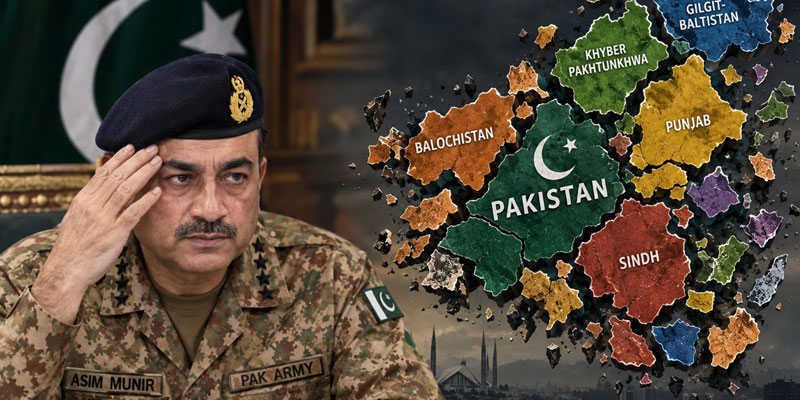
Pakistan has publicly distanced itself from the initiative and rejected suggestions that it may join the accords.
According to Pakistani officials and sources familiar with the government’s position, Islamabad remains committed to its long-standing policy that recognition of Israel cannot be separated from progress toward a just resolution of the Palestinian issue. Pakistan continues to support a two-state solution and maintains that Palestinian statehood remains a prerequisite for any reconsideration of its stance.
Islamabad has also clarified that its efforts to improve relations with Iran should not be interpreted as being connected to normalization with Israel. By treating these issues as separate strategic tracks, Pakistan is signalling that regional diplomacy with Tehran and policy toward Israel are guided by different considerations.
Challenges Facing Abraham Accords Expansion
Pakistan’s rejection reflects a broader reality confronting US diplomacy. While some countries have embraced normalization, several influential Muslim-majority states remain cautious.
Saudi Arabia, widely viewed as the most significant potential addition to the accords, has consistently linked any formal recognition of Israel to meaningful progress on Palestinian statehood and the status of Jerusalem. Similar concerns resonate across much of the Muslim world, where public opinion continues to view the Palestinian cause as central to regional politics.
As a result, efforts to expand the accords beyond their current base face substantial political and diplomatic obstacles.
What Comes Next?
The future of the Abraham Accords will likely depend on developments in both regional security and the Israeli-Palestinian conflict. Washington is expected to continue encouraging new participants, but Pakistan’s refusal demonstrates that normalization remains a complex and politically sensitive issue.
Ultimately, the debate surrounding the Abraham Accords reveals a fundamental divide in regional diplomacy. While the United States views normalization as a pathway to strategic stability and cooperation, many Muslim-majority nations continue to see recognition of Israel as inseparable from Palestinian statehood. Pakistan’s stance underscores that this gap remains one of the most significant barriers to any broader expansion of the accords in the years ahead.
(With agency inputs)