US Strikes Iran Again as Diplomatic Hopes Fade
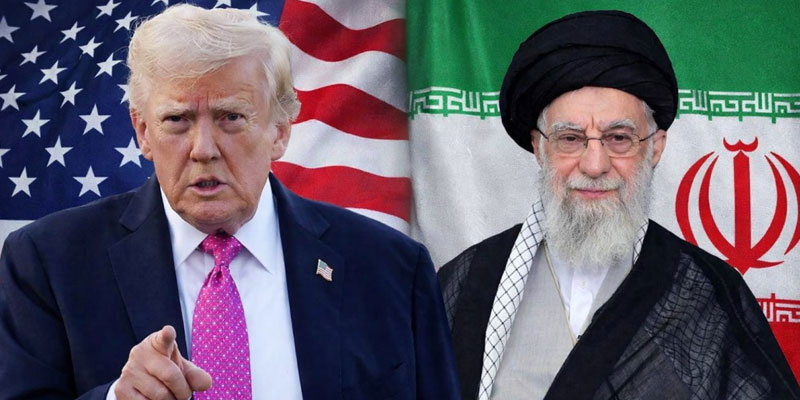
A fresh military confrontation between the United States and Iran has raised fears of a broader regional escalation, with US forces carrying out new strikes on Iranian targets just hours after President Donald Trump rejected reports of an emerging agreement on reopening the Strait of Hormuz. The latest exchange comes at a particularly sensitive moment, with negotiations underway in Qatar and a fragile ceasefire already under strain. Iran subsequently claimed it targeted a US airbase in retaliation, while Kuwait reported missile activity in the region, underscoring the volatility of the situation.
A Conflict Moving Along Two Tracks
The current crisis reflects a paradoxical reality: diplomacy and military action are unfolding simultaneously. While negotiators continue discussions aimed at ending months of hostilities, both sides have intensified their military posturing.
The latest developments were triggered by reports from Iranian state media suggesting that a draft framework was under discussion that could lead to the reopening of the Strait of Hormuz, one of the world's most critical energy chokepoints. The reported framework allegedly involved steps toward restoring commercial shipping and easing tensions in exchange for concessions from both sides. President Trump, however, publicly dismissed the reports, describing them as inaccurate and denying that any such agreement had been finalized.
US Military Carries Out New Strikes
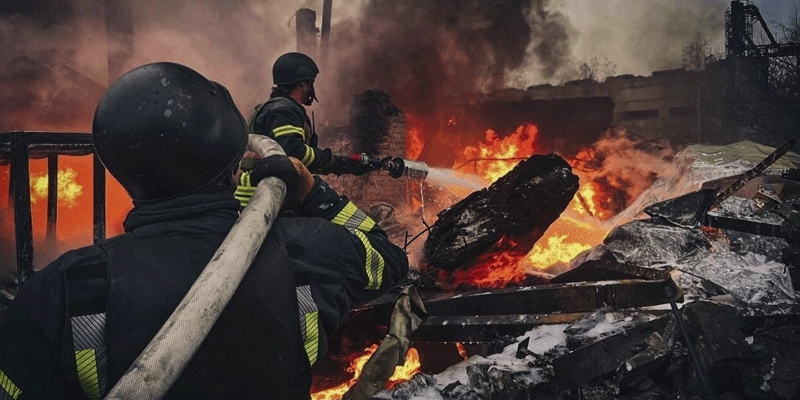
According to US officials, the military launched what it described as defensive operations against Iranian assets believed to pose a threat to American forces and commercial shipping in the Strait of Hormuz. The strikes reportedly targeted a drone operation and a ground-control facility in Bandar Abbas, while US forces also intercepted multiple Iranian attack drones. American officials characterized the actions as measured and necessary to protect military personnel and maritime traffic.
The operation expanded the scope of recent engagements and demonstrated Washington's willingness to act militarily even as diplomatic contacts continue.
Iran Responds After Reports of Regional Missile Activity
Iran reacted swiftly, claiming that it had targeted a US airbase linked to the earlier strikes. Around the same time, Kuwait reported missile attacks and heightened security alerts, highlighting the risk of the conflict spilling across the Gulf region. While reports of casualties remained limited, the exchange reinforced concerns that the ceasefire established earlier this year could unravel if retaliatory actions continue.
The Key Issues Blocking a Breakthrough
Despite ongoing negotiations, several major obstacles continue to stand in the way of a lasting agreement.
· Strait of Hormuz
A central issue remains the future of the strategic waterway through which roughly one-fifth of global oil consumption typically passes. Any deal is expected to involve guarantees regarding commercial shipping and maritime security.
· Iran's Nuclear Programme
Washington continues to insist that Iran must address concerns surrounding its highly enriched uranium stockpile, while Tehran maintains that its sovereign rights must be respected.
· Frozen Iranian Assets
Iranian officials have repeatedly emphasized that the release of frozen assets remains a critical condition for any comprehensive settlement.
A Region on a Knife's Edge
The latest strikes illustrate how fragile the path to peace remains. While negotiations continue behind closed doors, military actions are rapidly eroding trust and increasing the risk of miscalculation. With the Strait of Hormuz at the centre of the dispute and global energy markets closely monitoring developments, the coming days could prove decisive. Whether the region moves toward a diplomatic breakthrough or a deeper confrontation will depend on whether both sides can translate negotiations into tangible commitments before the cycle of retaliation gains further momentum.
(With agency inputs)