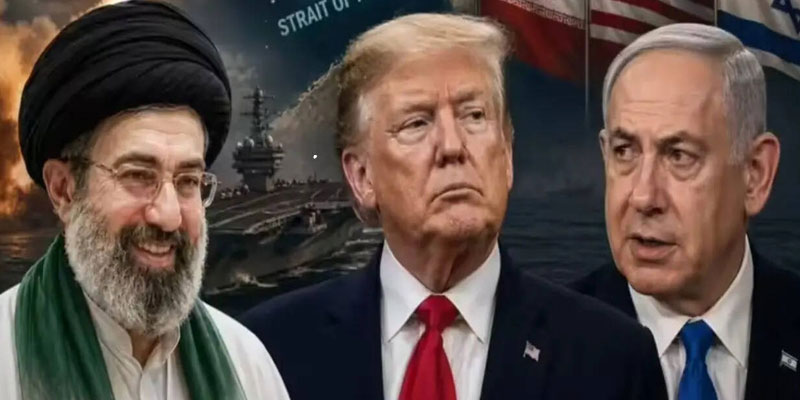
US Conducts ‘Self-Defence’ Strikes Amid Delicate Diplomacy
Even as Washington and Tehran signal progress toward a potential peace agreement, the United States has carried out fresh “self-defence” strikes inside southern Iran, targeting missile launch sites and fast boats allegedly attempting to lay naval mines near the strategically vital Strait of Hormuz. The dawn operation, confirmed by US Central Command (CENTCOM), reflects the fragile coexistence of military deterrence and diplomatic engagement in a conflict that continues to reshape the Middle East security landscape. According to US officials, the strikes were aimed at protecting American personnel and safeguarding maritime traffic through one of the world’s most important energy corridors.
Understanding the Iran-US Conflict
The current phase of the Iran-US war began following a sharp escalation in early 2026. Iran and allied regional groups launched missile and drone attacks against US and partner interests across the Gulf, prompting retaliatory American strikes on Iranian-linked military infrastructure in Iraq, Syria and Iran.
As the conflict expanded, concerns grew over regional stability, energy security and the future of Iran’s nuclear programme. A temporary ceasefire reached in April under mediation efforts involving Gulf states and the United Nations created space for negotiations, though sporadic military incidents have repeatedly threatened to derail the process.
Latest Military Developments
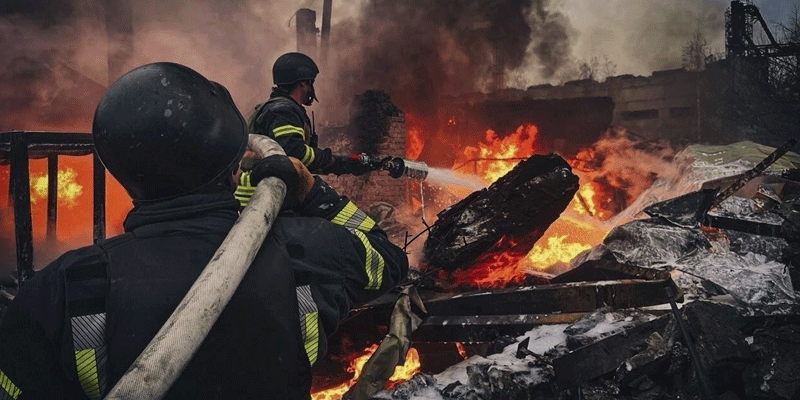
The latest strikes focused on Iranian vessels accused of laying mines in waters near the Strait of Hormuz and missile systems deemed a threat to US forces and aircraft. CENTCOM spokesperson Timothy Hawkins described the operation as a defensive measure intended to neutralise immediate risks while maintaining restraint under the ongoing ceasefire framework. Explosions were reported near coastal areas close to Bandar Abbas and other locations overlooking the strategic waterway.
The Strait of Hormuz remains central to the conflict. Roughly a fifth of global oil shipments transit through the narrow passage, making any disruption a matter of international concern. Recent reports suggest that efforts to reopen and secure the corridor remain a key component of ongoing negotiations.
Peace Talks and the Nuclear Question
Despite the renewed military action, President Donald Trump has maintained that negotiations are advancing and that both sides are approaching a potential settlement. At the centre of discussions is Iran’s stockpile of highly enriched uranium, estimated at roughly 440–460 kilograms enriched up to 60 per cent.
Washington insists that the material must either be transferred under international control or verifiably destroyed. Reports indicate that alternative arrangements, including third-party oversight, remain under discussion. Iranian officials have acknowledged progress in talks but continue to describe the nuclear issue as one of the most complex and politically sensitive elements of any final agreement.
Strategic Implications for the Region
The simultaneous pursuit of military operations and diplomatic negotiations highlights a defining feature of the current conflict: deterrence and dialogue are proceeding in parallel. By targeting mine-laying vessels and missile launchers, Washington seeks to limit Iran’s capacity to disrupt maritime commerce while preserving leverage at the negotiating table.
For regional powers and global markets, the message is clear. The conflict has not ended, but neither side appears willing to abandon diplomacy. The future of the ceasefire, the security of the Strait of Hormuz and the fate of Iran’s nuclear programme remain deeply interconnected.
A Fragile Path Toward Stability
The latest US strikes underscore the paradox at the heart of the Iran-US confrontation: military pressure continues even as prospects for peace improve. While negotiations may be edging toward a breakthrough, the persistence of battlefield actions reveals how easily progress can be reversed. The coming weeks will determine whether diplomacy can convert a fragile ceasefire into a durable settlement—or whether renewed confrontation once again takes centre stage in one of the world's most consequential geopolitical flashpoints.
(With agency inputs)