Three contract workers have died at Tata Electronics' iPhone components manufacturing facility in Hosur, Tamil Nadu, following suspected toxic-gas exposure while servicing an effluent-treatment tank. The incident has triggered investigations by state authorities, Tata Electronics and Apple, raising fresh concerns over industrial safety, environmental compliance and working conditions at a facility central to Apple's expanding manufacturing operations in India. Production, however, remains unaffected as the plant was closed for Deepavali.
What Happened Inside the Factory?
The incident occurred at the effluent treatment plant (ETP) of Tata Electronics' facility in Vanniyapuram, near Uddanapalli in Krishnagiri district. The three workers, aged 25, 28 and 32, were reportedly carrying out maintenance and inspection work on an external nano-filtration feed tank.
According to preliminary reports, one worker opened the tank's lid for inspection and collapsed after apparently inhaling toxic gas. Two others who subsequently became exposed also collapsed. Initial police inquiries indicate possible asphyxiation, although the exact cause of death awaits post-mortem findings.
Investigations And Corporate Accountability
Tamil Nadu authorities have initiated an investigation, while Tata Electronics and Apple have launched separate inquiries into the incident.
· Gas detection and monitoring arrangements.
· Ventilation and confined-space entry procedures.
· Emergency response and rescue mechanisms.
· Contractor supervision and workplace safety compliance.
Tamil Nadu's Industries Minister has emphasised that worker safety and dignity must remain paramount. Apple's independent investigation also reflects the importance of maintaining credible labour and safety standards across its global supply chain.
Production Safe, But Operational Concerns Remain
The deaths have not disrupted iPhone component production because the Hosur facility was already closed for Deepavali. The plant manufactures casings and other components for Apple iPhones.
However, any prolonged shutdown, regulatory intervention or reputational damage could affect Apple's strategy of expanding manufacturing in India and reducing its dependence on China.
A Troubling History of Safety and Environmental Concerns
The latest tragedy comes against a backdrop of earlier controversies at the Hosur facility:
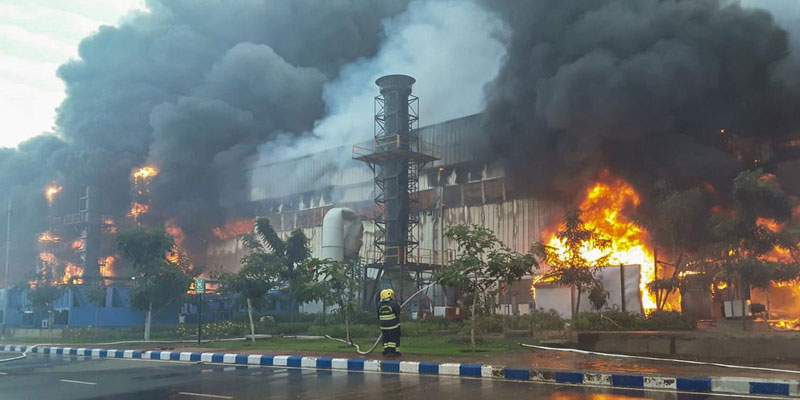
· September 2024: A fire in a chemical-storage area disrupted iPhone component production for several days.
· June 2026: Tamil Nadu's Pollution Control Board warned of possible forced closure over alleged wastewater contamination of wells near farmland. Tata subsequently maintained that independent testing demonstrated regulatory compliance and that the board's concerns had been addressed.
· Reports have also raised concerns about a data leak at the facility.
Worker Safety Must Come Before Manufacturing Ambitions
The immediate priority is establishing the precise cause of death and determining whether safety protocols were violated. For Tata and Apple, the incident is a serious test of industrial accountability. India's ambition to become a global electronics manufacturing hub cannot rest on production capacity and investment figures alone. Sustainable manufacturing demands rigorous safety enforcement, effective contractor supervision and zero tolerance for preventable workplace fatalities.
(With agency inputs)