A New Phase in India’s GST Journey
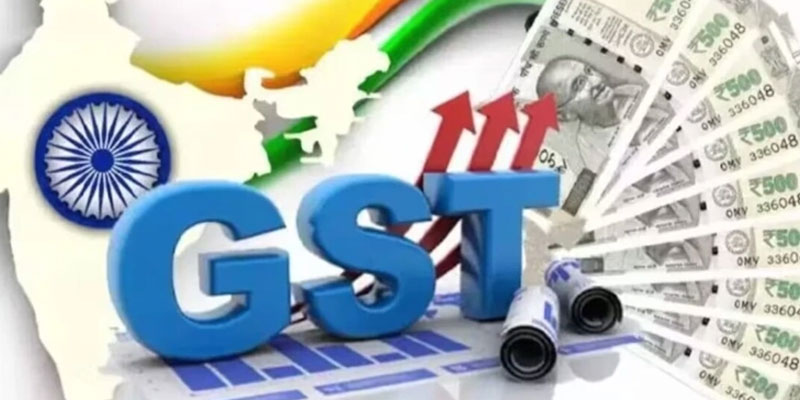
Since its launch in 2017, the Goods and Services Tax (GST) has been hailed as India’s most transformative indirect tax reform, unifying multiple state and central levies into a single national framework. Yet, over the years, its multiple rate slabs and uneven burden across sectors created complexity for businesses and consumers alike.
Now, with India facing heightened U.S. tariff pressure and shifting global trade dynamics, the government is preparing to roll out what many are calling “GST 2.0” — a rationalised structure designed to simplify taxation, lower costs, and enhance competitiveness. The Group of Ministers (GoM) on GST rationalisation is expected to recommend sweeping changes that could significantly alter India’s economic landscape.
The Proposed New Structure
At the heart of the reform lies a major restructuring of slabs. The current four-tier system of 5%, 12%, 18%, and 28% is proposed to be collapsed into just two principal slabs — 5% and 18% — along with a 0% bracket for essential goods and services. A new 40% slab will also be introduced for luxury and so-called “sin” goods, such as tobacco and sugary beverages.
This simplification aims not only to reduce administrative hurdles but also to pass on benefits directly to consumers and producers, especially in key sectors critical to India’s domestic economy and exports.
Sector-Wise Impact: Relief Across the Board
The rationalisation plan outlines broad tax reductions that could lower input costs and consumer prices in multiple industries:
· Cement & Auto Components: GST rates on cement, automobile parts, and accessories are expected to drop from 28% to 18%, easing costs for infrastructure projects and the auto sector.
· Agriculture & Rural Economy: Tractors, tyres, and fertilisers will fall into the 5% slab, providing relief to farmers and strengthening rural purchasing power.
· Healthcare & Education: Medical devices, medicines, and most educational goods and services will be taxed at either 0% or 5%, supporting affordability in these socially critical sectors.
· Everyday Essentials: Consumer products such as soaps, shampoos, toothpaste, and hair oil will see reductions to 5%, directly benefitting households.
· Textiles & Footwear: Lowering GST on textiles and footwear (below ₹2,500) to 5% could revive demand in labour-intensive industries and enhance India’s export competitiveness.
· Hospitality & Defence: Hotel accommodation below ₹7,500 per night will now attract only 5%, while defence components like tanks and walkie-talkies will also move to the lowest slab.
The only major upward revision is for casino services, which will shift from 28% to 40%, aligning with the philosophy of taxing luxury and non-essential consumption more heavily.
Why It Matters Now
The timing of GST 2.0 is crucial. With the U.S. escalating tariff measures against India, reducing domestic tax burdens can cushion the economy against external shocks. By lowering costs in agriculture, manufacturing, healthcare, and exports, India aims to boost competitiveness while also stimulating domestic consumption.
Moreover, rationalisation is expected to simplify compliance, reduce litigation, and enhance transparency — all of which can improve investor sentiment at a time when India seeks to attract greater global capital.
Reform with Strategic Purpose
The proposed GST overhaul is more than a tax tweak; it is a strategic response to both domestic needs and international pressures. By streamlining slabs, reducing rates on essentials, and encouraging consumption, the government seeks to strengthen India’s growth engine at a time of global uncertainty.
If implemented effectively, GST 2.0 could become a defining step in making India’s economy not just larger, but also more resilient and competitive. It reflects a pragmatic balance: easing the tax load on sectors that fuel growth while maintaining a higher levy on luxury and sin goods.
For India, facing tariff headwinds abroad, this reform may well be the cushion that keeps momentum strong at home while positioning the country as a reliable global growth driver.
(With agency inputs)