India’s invitation to Pakistan for the inaugural Shanghai Cooperation Organisation (SCO) Civilizational Dialogue Forum marks a limited diplomatic opening amid strained bilateral relations. Scheduled for November 20–22 in New Delhi, the event offers a rare opportunity for official contact since the military confrontation following the Pahalgam terror attack in May 2025. However, the invitation should not be interpreted as evidence of a broader diplomatic thaw.
What Is the SCO Civilizational Dialogue Forum?
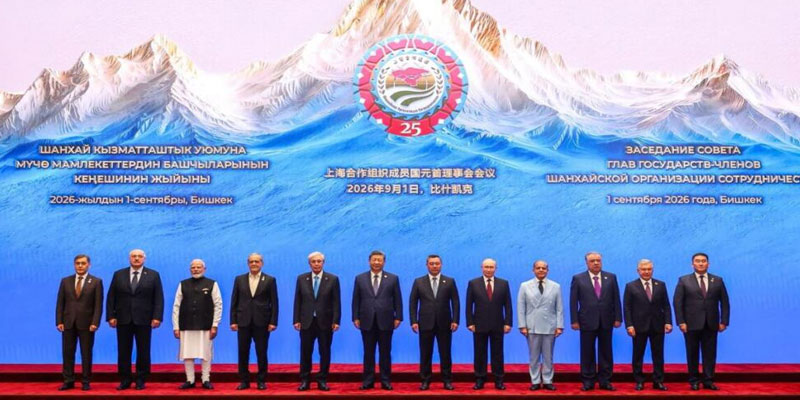
India will host the first edition of the forum, jointly organised by the Ministries of Culture and External Affairs. Culture ministers from all 10 SCO member states have been invited, including Pakistan, China, Russia, Iran, Belarus and the United Arab Emirates, alongside representatives of observer and dialogue-partner countries.
Pakistan’s Minister for National Heritage and Culture, Aurangzeb Khan Khichi, has been invited to lead Islamabad’s delegation. The forum aims to promote cultural exchange, preserve shared heritage and strengthen mutual understanding through multilateral engagement.
Why Has India Invited Pakistan?
India has also drawn a clear distinction between cultural engagement and bilateral relations. Participation in a cultural forum does not mean that New Delhi is reconsidering its position on cross-border terrorism or agreeing to resume substantive bilateral dialogue.
Why the Invitation Matters
India-Pakistan relations have remained severely strained since the Pahalgam terror attack, which killed 26 people, and the subsequent military confrontation involving Operation Sindoor in May 2025.
The invitation is significant because it represents the first formal invitation to a senior Pakistani minister since that confrontation. If Khichi attends, the visit would provide a rare opportunity for official interaction, although within a multilateral cultural setting rather than dedicated bilateral negotiations.
Will Pakistan Accept the Invitation?
Pakistan has acknowledged receiving the invitation, but its participation remains uncertain. Islamabad must weigh domestic political sensitivities, the implications of sending a senior minister to India and the potential diplomatic benefits of attending an international forum.
Pakistan could send its culture minister or another senior representative. Even if participation is confirmed, bilateral meetings should not be assumed without official announcements.
A Narrow Opening, not a Diplomatic Reset
India’s invitation reflects pragmatic multilateral diplomacy rather than a fundamental shift in its Pakistan policy. It creates a limited channel for engagement while preserving New Delhi’s position on terrorism and bilateral dialogue.
The real significance lies in maintaining institutional contact without compromising strategic priorities. Whether Pakistan attends or not, the forum illustrates how cultural diplomacy can sustain limited engagement even when political and security relations remain deeply troubled.
(With agency inputs)