Mumbai Trilateral: Energy and Connectivity
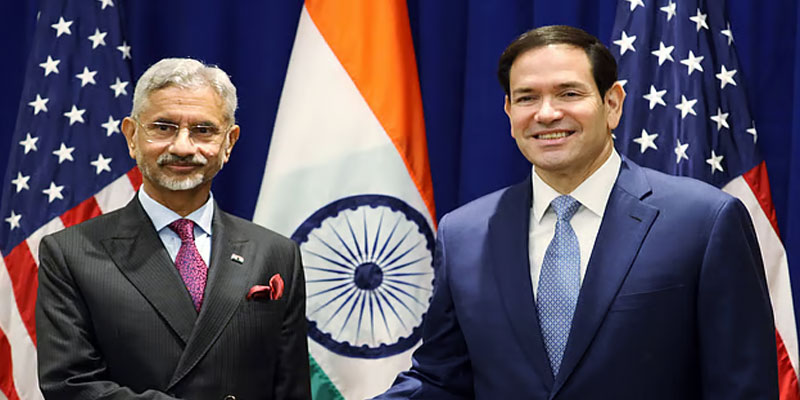
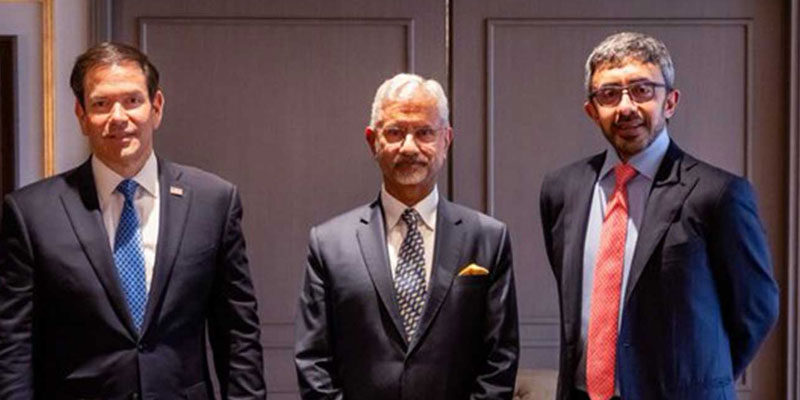
India, the United States and the United Arab Emirates (UAE) brought their diplomatic and economic priorities into focus at a trilateral meeting in Mumbai on October 20, 2026. External Affairs Minister S. Jaishankar met US Secretary of State Marco Rubio and UAE Deputy Prime Minister and Foreign Minister Sheikh Abdullah bin Zayed Al Nahyan to discuss energy security, connectivity, trade and regional developments. The discussions came amid heightened concerns over maritime security and disruptions affecting vital energy routes in West Asia.
A Strategic Partnership Takes Shape
The meeting builds on the broader approach reflected in the I2U2 framework, established in 2022 by India, Israel, the UAE and the United States to promote cooperation in food security, clean energy, infrastructure and technology. Although Israel was not part of this trilateral engagement, the Mumbai discussions reflected overlapping priorities linking South Asia, the Gulf and Western markets.
India, the world's third-largest energy consumer, relies on secure international supply chains to meet its growing requirements. The UAE is an important energy supplier and investment partner, while the United States offers oil and liquefied natural gas (LNG), advanced technologies and investment opportunities.
Energy Security Amid West Asian Disruptions
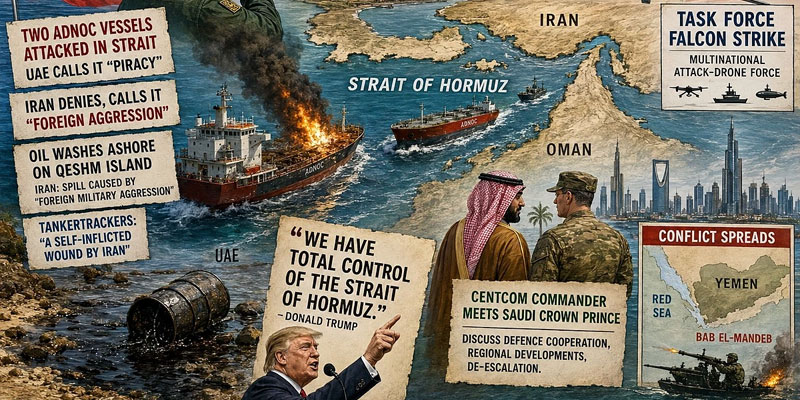
The security of oil and gas supplies has become increasingly urgent amid reported disruptions around the Strait of Hormuz and attacks threatening regional infrastructure and maritime trade. Any prolonged instability along critical shipping routes can increase transportation costs, delay deliveries and intensify volatility in global energy markets.
Rubio has also indicated Washington's interest in expanding cooperation with Indian refiners, including Reliance Industries, to process more Venezuelan crude. This could create additional supply options, although commercial viability, sanctions policies and geopolitical developments will influence implementation.
The UAE brings energy resources, regional connections and investment capacity to the partnership, while the United States contributes energy supplies, technology and financing opportunities. For India, cooperation with both countries could support supplier diversification and strengthen the resilience of its energy infrastructure.
Connectivity, Technology and Economic Integration
Connectivity extends beyond physical transport corridors to ports, logistics networks, digital infrastructure and secure supply chains. The three countries also discussed trade, investment, technology and artificial intelligence, according to the UAE's official account of the meeting.
Stronger cooperation in these areas could improve commercial links between Indian markets, Gulf economies and Western businesses. However, the meeting did not produce a publicly reported formal agreement or funding commitment, making implementation the next important measure of progress.
From Diplomatic Dialogue to Tangible Outcomes
The Mumbai trilateral reflects the shared interest of a major energy-consuming economy, a Gulf energy producer and a global economic and technological power in maintaining secure supply chains and expanding commercial cooperation.
Its lasting significance will depend on whether discussions translate into diversified energy supplies, investment in infrastructure, reliable maritime corridors and practical technology partnerships. At a time when geopolitical disruptions can rapidly affect energy prices and trade, sustained cooperation among India, the UAE and the United States could help strengthen regional economic resilience while advancing their respective strategic and commercial interests.
(With agency inputs)