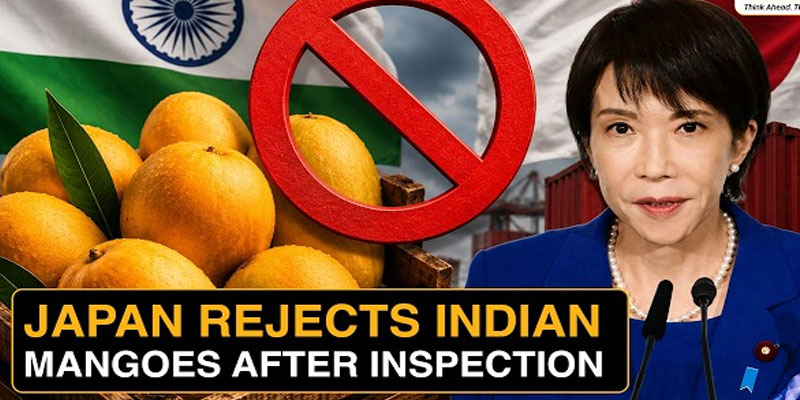
Japan Suspends Indian Mango Imports Over Inspection Lapses
Japan has suspended imports of Indian mangoes for the 2026 season after quarantine officials identified lapses in pest-control procedures at Indian treatment facilities during inspections conducted in March. The decision affects mango shipments certified after March 25 and comes without any clear timeline for resumption. The move has dealt a significant blow to Indian exporters and farmers, particularly as it coincides with one of the most challenging harvest seasons in recent years.
A Premium Export Market Suddenly Closed
The suspension interrupts a trade relationship that took decades to build. Japan is among the most quality-conscious agricultural import markets in the world and maintains stringent phytosanitary standards to protect domestic farming. Although the latest action was not triggered by confirmed pest infestations in exported fruit, Japanese authorities raised concerns about compliance with prescribed pest-control and treatment protocols.
The decision affects some of India’s most sought-after mango varieties, including Alphonso, Kesar, Langra and Banganapalli, during the peak export period from April to June. For exporters and growers, the timing could hardly have been worse.
A Setback After Years of Rebuilding Trust
The development carries particular significance because India had previously faced a lengthy ban from Japan. In 1986, Japanese authorities prohibited Indian mango imports due to concerns over fruit fly infestations. The restrictions remained in place for two decades before being lifted in 2006 after India adopted rigorous fumigation and heat-treatment systems that met Japanese requirements.
Over the years, Indian exporters invested heavily in infrastructure, certification processes and quality controls to regain access to the lucrative market. The latest suspension therefore represents more than a temporary trade hurdle; it raises concerns about the credibility and consistency of export compliance systems that were painstakingly rebuilt over many years.
Climate Losses Magnify the Economic Impact
The Japanese ban comes at a time when mango growers are already struggling with severe production losses caused by extreme weather conditions. Heat stress, erratic rainfall patterns and temperature fluctuations linked to El Niño have significantly damaged flowering and fruit development across major mango-growing regions.
The worst-hit areas include Maharashtra’s Konkan belt and Devgad region, renowned for Alphonso mangoes. Surveys indicate crop losses ranging from 85% to 90%, while many cultivators report harvest volumes at only a fraction of normal levels. Production in several orchards has steadily declined over the past three years due to recurring climatic disruptions.
For farmers, the loss of a premium export destination is especially painful because overseas markets typically offer substantially higher returns than domestic sales. With lower yields already reducing overall income, the closure of the Japanese market removes an important avenue for earning better prices.
A Growing Challenge for India’s Mango Export Ecosystem
India produces nearly half of the world’s mangoes, yet only a small share of its fresh produce reaches international markets. This makes every export destination valuable. Rising freight costs, logistical disruptions linked to tensions in West Asia and increasingly unpredictable weather have already squeezed profit margins. The Japanese suspension adds another layer of uncertainty for growers, exporters and supply chains dependent on premium overseas demand.
Protecting Exports Amid Climate and Trade Risks
The suspension of mango imports by Japan highlights the dual challenges confronting Indian agriculture today: maintaining strict global quality standards while coping with intensifying climate pressures. For thousands of mango growers, the decision compounds an already difficult season marked by devastating crop losses and shrinking incomes. Restoring compliance, rebuilding confidence and strengthening climate resilience will be essential not only for regaining access to the Japanese market but also for safeguarding the long-term future of India’s mango export industry.
(With agency inputs)