A Movement Fueled by Frustration
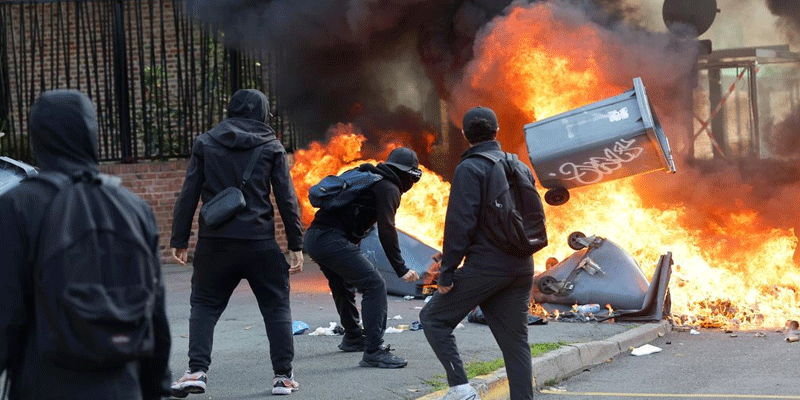
Ladakh, known for its fragile high-altitude ecosystem and cultural vibrancy, was thrown into chaos on Wednesday as protests for statehood spiraled into deadly violence. What began as a peaceful campaign led by climate activist Sonam Wangchuk—who had recently ended a 15-day hunger strike—erupted into stone pelting, arson, and clashes with police in Leh. By the day’s end, four people had lost their lives and more than 70 were injured.
The unrest underscores a growing discontent that has simmered since August 2019, when Ladakh was carved out as a Union Territory following the abrogation of Article 370. While many had initially welcomed the move, optimism has since given way to demands for constitutional safeguards and full statehood.
From Peaceful Sit-ins to Street Violence
The immediate spark came after two hunger strikers were hospitalized due to deteriorating health. Supporters of the Leh Apex Body (LAB) youth wing, already restless over the Centre’s delayed response, intensified demonstrations. Tension escalated when a group of young protesters began pelting stones, prompting police retaliation with tear gas and batons.
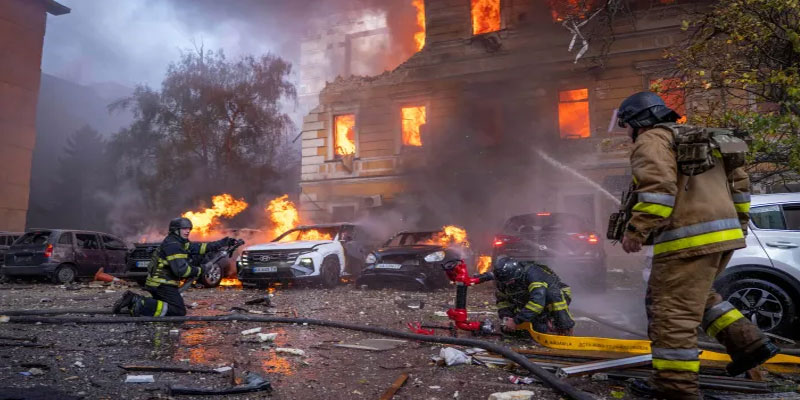
The agitation soon spiraled out of control. Protesters set ablaze a police vehicle and later torched the local BJP office in Leh, an incident that symbolized public anger at both local and central leadership. Authorities responded by imposing a ban on gatherings and deploying additional security forces to prevent further escalation.
Wangchuk’s Call for Calm
Sonam Wangchuk, whose hunger strike had galvanized public attention, distanced himself from the violence. “I request the youth to stop arson and clashes,” he urged, emphasizing that no protest should come at the cost of lives. His appeal, however, came too late to prevent the day-long chaos that also forced the cancellation of the annual Ladakh Festival’s closing ceremony—an event meant to showcase the region’s heritage.
Wangchuk’s leadership has been central in articulating the concerns of Ladakhis: the demand for inclusion under the Sixth Schedule of the Constitution to safeguard tribal rights, protect fragile ecosystems, and preserve cultural traditions.
The Stakes of Statehood
The protests highlight a deeper political vacuum that has emerged since 2019. Ladakh, governed directly by the Centre, lacks a legislative assembly and effective local decision-making. Both the Leh Apex Body and the Kargil Democratic Alliance (KDA), representing different religious and regional groups, have come together in rare unity to demand constitutional protection.
For the people of Leh and Kargil alike, statehood and Sixth Schedule inclusion are not merely political slogans but existential guarantees. Without them, there are fears of unchecked industrial exploitation, demographic shifts, and erosion of local identity.
Talks with the Centre: A Stalled Dialogue
While a new round of talks between Ladakh representatives and the Centre is scheduled for October 6, many in the region feel urgency has been lacking. Earlier discussions with Union Home Minister Amit Shah in March collapsed after he reportedly dismissed Ladakh’s core demands. The violence in Leh may harden positions on both sides, making upcoming negotiations more difficult.
Echoes from Jammu and Kashmir
The Ladakh agitation has also revived debates in neighboring Jammu and Kashmir, where statehood is yet to be restored. Former J&K Chief Minister Omar Abdullah accused the BJP of deliberately delaying the process for political gain. “It seems like statehood is not being provided because the BJP did not form the government here,” Abdullah argued, pointing to promises made during the abrogation of Article 370.
The Supreme Court too has weighed in, noting last month that ground realities must guide decisions on restoring statehood to J&K—a sentiment that may resonate in Ladakh.
A Turning Point for Ladakh’s Future
The violence in Leh marks a dangerous shift in Ladakh’s statehood campaign. What began as peaceful activism inspired by Wangchuk’s climate-driven vision has now spilled into bloodshed, threatening the moral weight of the movement. Yet the underlying demands remain legitimate.
For New Delhi, the challenge is twofold: restoring trust through dialogue while ensuring that law and order are maintained. Ignoring Ladakh’s demands risks further alienating a region strategically vital, culturally unique, and environmentally fragile. For Ladakhis, the path forward lies in heeding voices like Wangchuk’s—assertive yet peaceful, firm but constructive.
The October 6 talks could decide whether Ladakh’s discontent moves toward reconciliation or descends further into turmoil. The choice before both sides is stark: compromise for a secure future, or confrontation that risks undoing the promise of 2019.
(With agency inputs)