The Aftermath of Operation Sindoor
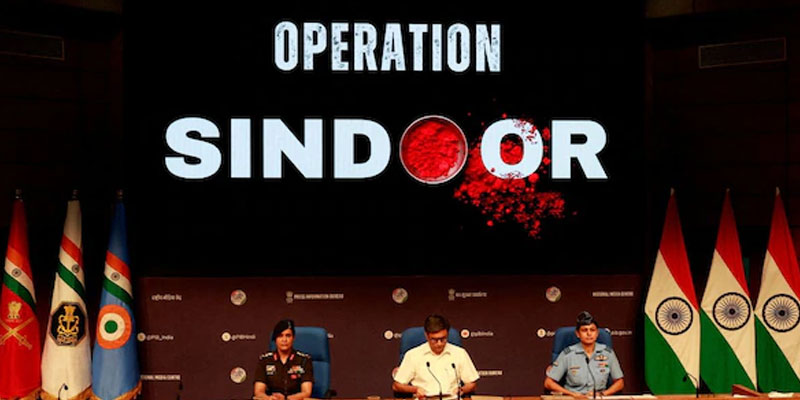
India’s Operation Sindoor, which dismantled nine key terror hubs in Pakistan and Pakistan-occupied Kashmir (PoK), has triggered a significant reshuffling of militant infrastructure. In response to the precision strikes, Pakistan-backed outfits Jaish-e-Mohammed (JeM) and Hizbul Mujahideen (HM) have retreated further inside Pakistani territory, particularly toward Khyber Pakhtunkhwa (KPK) province near the Afghan frontier. Intelligence dossiers reveal this tactical relocation is aimed at safeguarding their leadership, securing fresh recruits, and insulating training bases from India’s expanding strike capabilities.
Shift to Khyber Pakhtunkhwa: Strategic Depth
PoK, long considered a safe staging ground for cross-border militancy, is now viewed as vulnerable after Operation Sindoor. Satellite imagery and field reports confirm JeM strengthening its Mansehra facility, Markaz Shohada-e-Islam, with visible new construction and logistical upgrades. HM, under ex-commando Khalid Khan, has established a new camp in Bandai, dubbed HM-313. The choice of “313” evokes the historic Battle of Badr and al-Qaida’s Brigade 313, signaling HM’s intent to align itself with global jihadist symbolism.
By shifting to KPK, these groups gain both physical depth from Indian strikes and the advantage of blending into regions where jihadi networks have long operated under the shadow of the Afghan conflict.
New Fronts and Rebranding Efforts
JeM is not only fortifying its camps but also attempting ideological rebranding. On September 25, the outfit plans a mass recruitment rally in Peshawar to honor Yusuf Azhar, brother of chief Masood Azhar, killed during Operation Sindoor. At the same event, JeM is set to unveil a new alias, al-Murabitun (“defenders of Islam’s land”), echoing a North African al-Qaida affiliate’s name. This rebranding underscores its ambition to broaden reach and attract global jihadi legitimacy.
Similarly, HM’s “HM-313” camp, built with fortified walls and training yards, illustrates a shift from guerrilla-style hideouts to structured military compounds. Both groups are embedding their operations deeper into Pakistan’s social and political fabric, making dismantling more complex.
State Complicity and Political Cover
Intelligence sources point to tacit state backing for these groups. A JeM event in Garhi Habibullah, Mansehra, held just before the India-Pakistan cricket clash on September 14, doubled as a recruitment drive. Ostensibly framed as a Deobandi gathering, the rally drew JeM cadres openly armed with M4 rifles, flanked by local police. Mulana Mufti Masood Ilyas Kashmiri, JeM’s KPK chief, spoke for 30 minutes praising Osama bin Laden, directly linking JeM’s narrative to al-Qaida’s legacy.
The presence of police officers, including inspector Liaqat Shah, alongside JeM security units reflects a disturbing blend of state tolerance and militant assertiveness. Analysts note that political groups like Jamiat Ulema-e-Islam (JUI) further legitimize these gatherings, providing a veneer of religious activism to militant consolidation.
Implications for India and the Region
The retreat of these outfits into KPK represents both a success and a challenge for India. Operation Sindoor proved that precision strikes can dismantle forward terror bases. However, the militants’ adaptation underscores their resilience and the complicity of Pakistan’s state machinery. Relocation deeper into Pakistan complicates direct targeting, while proximity to Afghanistan offers militants sanctuary networks and smuggling corridors.
The Way Forward
Operation Sindoor has altered the geography of militancy, forcing terror groups to retreat from PoK but not eliminating their capacity. For India, the next step lies in sustained intelligence gathering, diplomatic pressure on Pakistan’s allies, and closer coordination with global counterterrorism partners to expose state complicity. At the same time, New Delhi must enhance domestic preparedness against infiltration attempts that may now be staged from more distant but still coordinated hubs.
The battle has shifted terrain, but the objective remains the same: curbing terror at its roots. Operation Sindoor was a decisive strike; now the challenge is ensuring the gains are not eroded by militant adaptation and state-backed protection.
(With agency inputs)