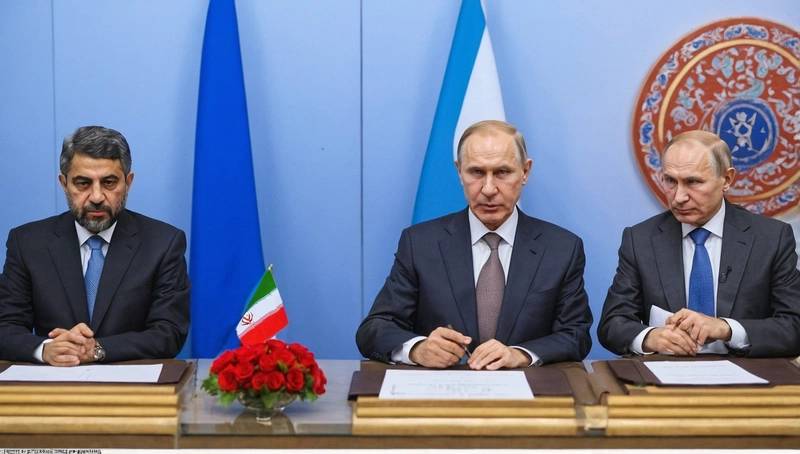
A Strategic Alliance in the Energy Arena
Iran and Russia have deepened their energy partnership with a landmark agreement worth $25 billion, signaling a major shift in the global nuclear landscape. Moscow’s state nuclear corporation, Rosatom, will spearhead the construction of four nuclear power plants in Iran—an ambitious expansion for a nation long battling energy shortages and international scrutiny over its atomic program.
Under the accord, the plants will be built in Iran’s Sirik region of Hormozgan province, covering 500 hectares. These Generation III reactors are expected to add a massive 5,000 megawatts of electricity to Iran’s grid. The project is part of Tehran’s broader vision to expand its nuclear energy capacity to 20 gigawatts by 2040.
Rosatom’s involvement follows its earlier memorandum of understanding on small-scale nuclear facilities in Iran, hinting at even deeper collaboration. The Iranian delegation, led by Atomic Energy Organization chief and Vice President Mohammad Eslami, formalized the deal in Moscow. Eslami confirmed that discussions also included a roadmap for eight more reactors, laying the foundation for a long-term strategic partnership.
Why It Matters for Iran
Iran currently operates a single nuclear power plant at Bushehr—also built by Russia—which produces just about 1 gigawatt of power. With soaring demand and recurring electricity shortages, the new agreement could be a game-changer for its energy security. For Tehran, the deal is not merely about power generation—it is about asserting its technological and political independence in the face of Western restrictions.
The Global Diplomatic Backdrop
The timing of the deal is significant. Just as Moscow and Tehran signed the agreement, the UN Security Council rejected a Russian- and Chinese-backed resolution to permanently lift sanctions on Iran. European powers—Britain, France, and Germany—remain skeptical of Tehran’s intentions, pointing to concerns over enriched uranium stockpiles and restricted access for UN inspectors.
While Iran insists its nuclear program is strictly peaceful, Israel and the West continue to cast doubts, raising alarms about possible weaponization. Moscow, meanwhile, has positioned itself as Tehran’s staunch supporter, not only endorsing Iran’s right to peaceful nuclear energy but also condemning US and Israeli strikes on Iranian facilities earlier this year.
India’s Calculated Watch
For India, this evolving partnership carries both opportunities and challenges. On one hand, a stronger Iran with reliable energy infrastructure could stabilize oil and gas exports, benefiting New Delhi’s energy security. On the other, India must carefully balance its ties with Washington, which continues to impose sanctions on Tehran, against its growing relations with Moscow. The emerging Russia-Iran nuclear axis may nudge India to recalibrate its own energy and strategic diplomacy in the region.
Beyond Energy, Toward Geopolitics
The Iran–Russia nuclear pact is far more than an infrastructure project—it is a statement of intent in a fractured global order. For Iran, it is a step toward self-reliance and resilience against Western sanctions. For Russia, it solidifies influence in the Middle East while deepening its role as an indispensable nuclear partner. For the world, however, the agreement raises critical questions: will it stabilize energy needs, or intensify geopolitical frictions? The answer lies not only in kilowatts but also in diplomacy.
(With agency inputs)