From Hostility to Hospitality
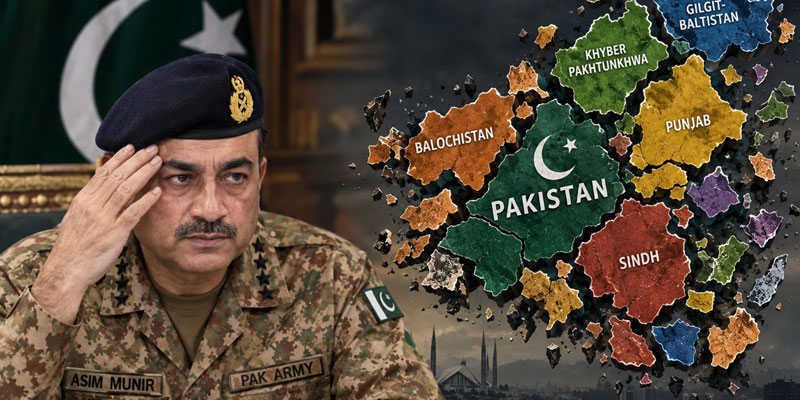
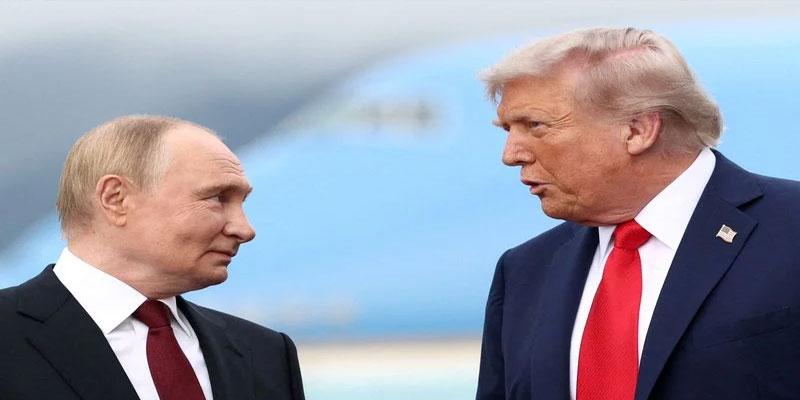
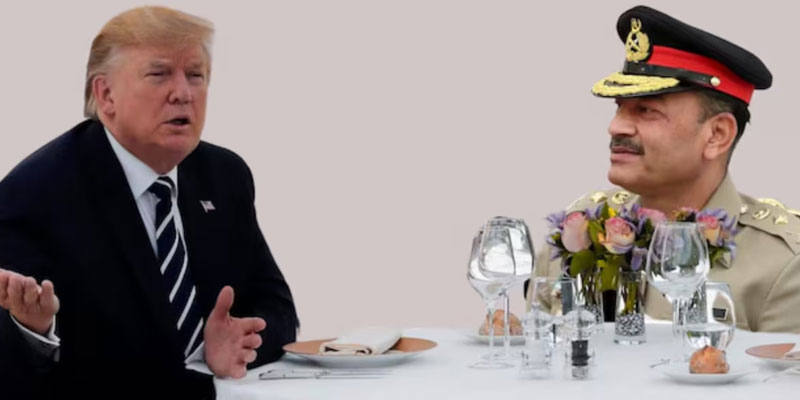
In a dramatic reversal of tone, U.S. President Donald Trump hosted Pakistani Prime Minister Shehbaz Sharif and Army Chief Asim Munir at the White House this week, praising both as “great leaders.” The 80-minute oval Office meeting, held behind closed doors, marked Sharif’s first formal encounter with a U.S. president—and the first time since 2019 that a Pakistani prime minister has entered the Oval Office.
For Washington, the event underscored a pragmatic reset of ties with Islamabad. For many in Pakistan, however, the optics triggered deeper questions about the cost of global validation when it comes at the expense of democratic credibility.
Opposition Anger, Establishment Celebration
Reaction inside Pakistan was sharply divided. Supporters of the Sharif government and the military presented the White House reception as a diplomatic success, evidence that Islamabad is regaining relevance on the world stage after years of isolation and mistrust.
But opposition figures, particularly from Imran Khan’s Pakistan Tehreek-e-Insaf (PTI), derided the moment as proof that the U.S. prefers dealing with authoritarian elites rather than with democratic movements. To them, Trump’s glowing remarks about Sharif and Munir sounded less like praise and more like endorsement of what they describe as a repressive establishment.
The phrase “fascist rulers, false claims” quickly gained traction on social media, capturing the frustration of those who view the military-led order as propped up by external powers rather than domestic legitimacy.
A Cycle of Condemnation and Courtship
Trump’s pivot is striking given his past rhetoric. He once castigated Pakistan as a “terrorist haven,” suspended billions in aid, and accused the country of harbouring Osama bin Laden. Thursday’s warm oval Office photographs of Trump flashing his trademark thumbs-up beside Sharif and Munir stood in stark contrast to those earlier denunciations.
Yet this oscillation between reproach and reconciliation is hardly new. For decades, Washington has alternated between cutting Pakistan off and drawing it close—often when regional circumstances dictated. During the Cold War, General Zia-ul-Haq became a key U.S. partner in Afghanistan. In the 2000s, General Pervez Musharraf positioned himself as America’s indispensable ally in the war on terror. Now, critics fear, history is repeating itself with Munir cast in a similar role.
Echoes of the Past
The Oval Office reception has revived comparisons with 1971, when U.S. President Richard Nixon and adviser Henry Kissinger backed General Yahya Khan during the brutal crackdown in East Pakistan. That episode remains etched in Pakistani memory as an example of foreign powers buttressing authoritarianism for short-term geopolitical goals—while the people bore the lasting consequences of division and loss.
Observers warn that Trump’s embrace of Pakistan’s military leadership could follow the same pattern: outsiders strengthening the hand of unelected strongmen, even as democratic institutions struggle for space.
More Spectacle Than Substance?
Despite the grandeur, little concrete was revealed about what was agreed in Washington. No joint statement was issued, and neither side disclosed the specifics of discussions on trade, security, or regional conflicts. For Trump, the meeting was another opportunity to perform statesmanship on the global stage. For Sharif and Munir, it offered the appearance of legitimacy in front of cameras.
For ordinary Pakistanis, however, the spectacle raises unease. Many fear that once again, short-term applause abroad may come at the cost of long-term democratic health at home.
The Risk of Symbolism Over Substance
The Trump–Sharif–Munir encounter showcased the choreography of diplomacy—smiles, handshakes, and photo ops—but left behind a more complicated legacy in Pakistan. While the ruling establishment celebrates international validation, critics see a dangerous pattern of external powers overlooking democratic deficits for transactional convenience.
Whether this meeting will mark a genuine revival of U.S.–Pakistan relations or simply another cycle of temporary warmth remains to be seen. What is clear is that, once again, the people of Pakistan are left debating whether global endorsements strengthen their country—or simply embolden its most powerful elites.
(With agency inputs)