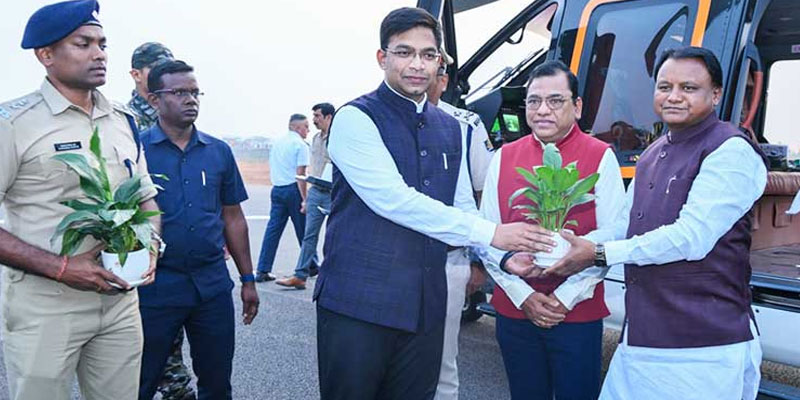
On January 30, 2026, Odisha Chief Minister Mohan Charan Majhi unveiled development projects worth Rs 492 crore for Ganjam district during the closing ceremony of the Gopalpur Beach Festival. The announcement underscored the state government’s vision to enhance infrastructure, healthcare, and tourism, while aligning the district with Odisha’s broader industrialization and economic growth agenda. The festival provided a platform to showcase cultural heritage alongside policy initiatives aimed at transforming Ganjam into a strategic growth hub.
The Significance of the Rs 492 Crore Package
The development package includes 15 inaugurated projects valued over Rs 50 crore and 64 foundation stones worth Rs 442 crore. Key focus areas include healthcare infrastructure—upgrading hospitals and primary health centers—construction of student hostels, extensive road connectivity improvements, and Rs 32 crore earmarked for Gopalpur beach beautification with walkways, lighting, and public amenities. The initiatives reflect a micro-developmental approach, balancing social welfare with economic potential in one of southern Odisha’s most important districts.
Festival Context and Government Vision
The 10-day Gopalpur Mahotsav highlighted the district’s cultural and tourism assets, featuring handicraft bazaars, local cuisine stalls, and traditional performances. Majhi framed the district’s potential as a “blend of history, culture, and nature,” emphasizing sustainable growth. His speech also referenced ongoing industrial projects, including the Rs 16,554 crore Gopalpur Port expansion, aimed at positioning Ganjam as an industrial and logistics hub capable of attracting private investment, both domestic and foreign. These efforts are part of the BJP-led state government’s “Samruddha Odisha 2036” vision, which seeks to grow the state economy from $120 billion to $500 billion over the next decade.
Expected Employment from the Rs 492 Crore Projects
While official announcements did not specify employment figures, analogous infrastructure and social sector projects suggest meaningful job creation. Construction of roads, health facilities, and hostels could generate an estimated 1,000–2,000 short-term construction jobs. Operational roles—ranging from medical staff and administrative personnel to tourism service providers—may add another 500 permanent positions. Beach beautification is likely to create 200–300 seasonal or maintenance jobs, drawing comparisons to similar initiatives in Puri. When combined with larger port and industrial investments in Ganjam, these projects contribute to cumulative employment opportunities potentially numbering in the thousands, aligning with long-term goals of skilling local youth and boosting regional livelihoods.
Strategic Analysis and Long-Term Implications
The Rs 492 crore package reflects a dual strategy: immediate micro-development to enhance quality of life and long-term infrastructure to attract investment. By improving connectivity, upgrading health and educational facilities, and promoting tourism, the state seeks to establish Ganjam as a “southern growth pole.” Challenges remain, including monsoon-related delays, land acquisition hurdles, and ensuring local participation in job creation. Success metrics will include increased tourism footfall, operational efficiency of new facilities, and integration with port-led industrial growth.
A Step Toward Sustainable Coastal Development
The announcement at the Gopalpur Mahotsav positions Ganjam as a focal point for Odisha’s developmental and industrial ambitions. By coupling cultural celebration with strategic investment, the government signals its commitment to balanced growth—enhancing livelihoods, promoting tourism, and laying the groundwork for large-scale industrial projects. If effectively executed, these initiatives could catalyze employment, attract investment, and strengthen Ganjam’s role in Odisha’s broader economic transformation under the “Samruddha Odisha 2036” vision.
(With agency inputs)