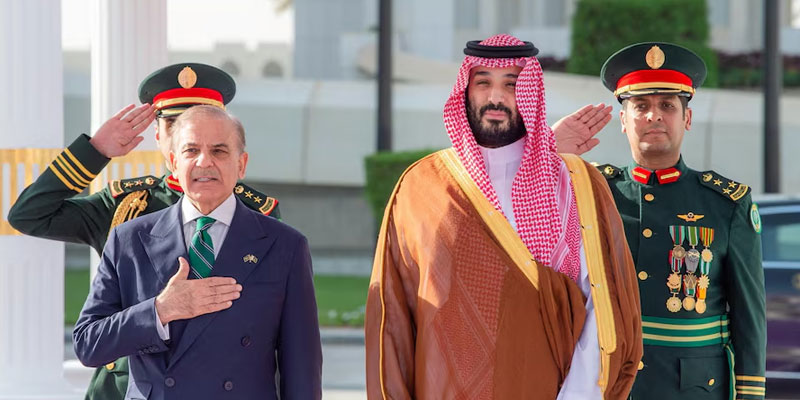
A Strategic Realignment in the Gulf
Saudi Arabia and Pakistan have sealed a fresh mutual defence agreement, pledging that an attack on either nation will be treated as aggression against both. The deal, signed in Riyadh by Crown Prince Mohammed bin Salman and Pakistani Prime Minister Shehbaz Sharif, underscores a renewed push for military cooperation amid turbulence in the Middle East. For India, which has steadily deepened its economic and political ties with Saudi Arabia in recent years, this development poses both challenges and opportunities in a shifting regional landscape.
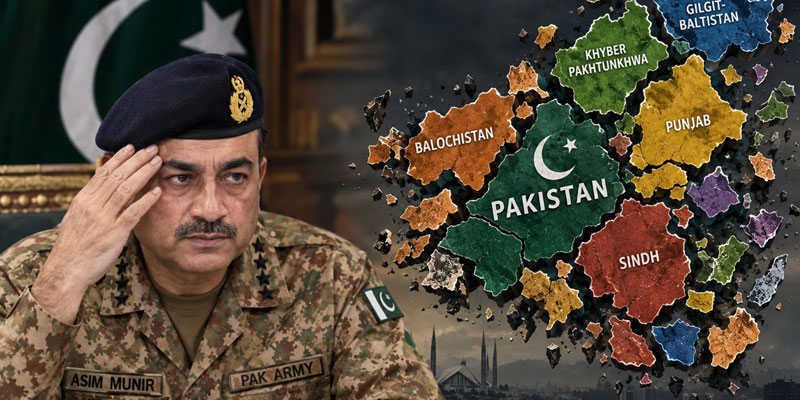
At its core, the agreement seeks to expand defence collaboration and reinforce deterrence mechanisms. Saudi and Pakistani leaders framed the accord as a step toward fortifying their security partnership against external threats. The Saudi Press Agency emphasized that the deal is meant to build joint military resilience and signal solidarity in the event of conflict. The symbolism was reinforced when Pakistan’s army chief, Field Marshal Asim Munir, joined the signing ceremony—an indication of the Pakistani military’s central role in the pact.
Regional Backdrop and Timing
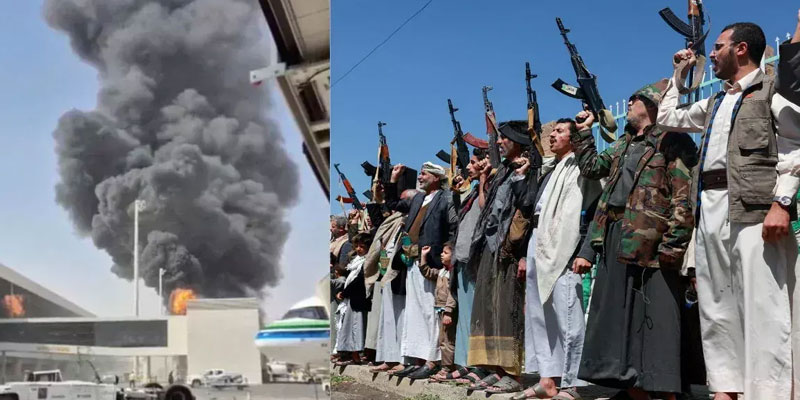
The timing of the accord is significant. Just days earlier, an emergency meeting of the Arab League and the Organisation of Islamic Cooperation (OIC) convened in response to Israel’s attack on Doha. At the same time, Gulf capitals are expressing unease over Washington’s reliability as a security guarantor, leading some to look for parallel defence arrangements. The pact also coincides with India’s “Operation Sindoor,” launched in retaliation to the deadly Pahalgam terror strike, which keeps South Asia’s security dynamics on edge.
India’s Response
India’s Ministry of External Affairs reacted with caution, noting that the government is “aware” of the development and will study its implications for national security and regional stability. Spokesperson Randhir Jaiswal reaffirmed that safeguarding India’s interests remains a priority. While New Delhi’s relations with Saudi Arabia are at their strongest in decades—particularly in energy, trade, and technology—Islamabad’s renewed defence embrace with Riyadh could complicate India’s calculus, especially if military coordination between the two neighbours deepens.
Potential Implications for India
Analytically, the agreement may not radically alter the balance of power in South Asia, given that Saudi Arabia’s relationship with India remains more diversified and economically consequential than its military engagement with Pakistan. However, the pact could embolden Islamabad diplomatically, giving it added leverage in forums where Riyadh wields influence. For India, vigilance will be crucial—both to monitor whether the pact evolves beyond symbolism and to ensure that its expanding cooperation with Saudi Arabia remains insulated from bilateral friction with Pakistan.
Navigating a Shifting Equation
The Saudi-Pakistan defence pact is less a rupture than a recalibration of long-standing ties. For India, the challenge lies in maintaining strategic composure while continuing to strengthen its own partnership with Riyadh. By balancing pragmatism with vigilance, New Delhi can ensure that this new development does not derail its broader regional goals. In an increasingly complex security environment, constructive engagement remains India’s most effective tool.
(With agency inputs)