America’s Safety Net on the Brink
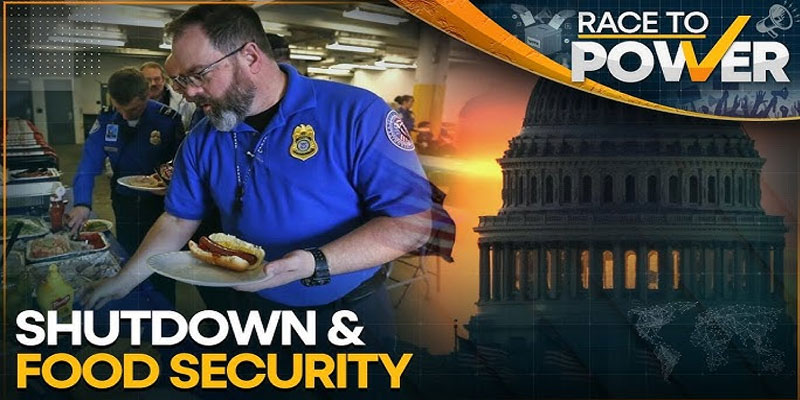
As the United States endures the longest government shutdown in its history, a devastating consequence looms—millions could soon go hungry. The Trump administration has announced that the Supplemental Nutrition Assistance Program (SNAP), a critical lifeline for one in eight Americans, will halt distributions beginning November 1 if Congress fails to reach a deal. This unprecedented suspension threatens to deepen the country’s food insecurity crisis and expose the fragility of America’s safety net.
The Road to Deadlock: A Budget Battle Turned Human Crisis
The shutdown began on October 1, 2025, following a breakdown in negotiations between Senate Democrats and the Trump administration over spending priorities and healthcare policy. While October SNAP payments were made using pre-shutdown funds, the Department of Agriculture (USDA) has since run out of reserves. Officials insist they cannot access the $5 billion emergency fund, claiming it is restricted to natural disasters, not political disputes.
Democrats have condemned this stance, accusing the administration of “politicizing hunger” to pressure Congress. Meanwhile, the White House blames Democrats for obstructing temporary spending measures, arguing that reopening the government must precede further negotiations over healthcare subsidies and budget allocations.
SNAP’s Role: A Pillar of American Livelihoods
SNAP is the largest federal nutrition program in the nation, supporting more than 42 million citizens—primarily low-income workers, children, the elderly, and people with disabilities. The average household of four receives around $715 monthly, or roughly $6 per person per day, to help cover groceries through federally funded debit cards administered by states.
Several states, including California and Massachusetts, are exploring short-term relief measures, but even their combined efforts cannot replicate the magnitude of federal funding. Nearly half of all states have warned that if Washington fails to act, their programs will cease issuing benefits in November, leaving millions with no alternative food source.
Ripple Effects: Families, Food Banks, and a Holiday of Hunger
The impending halt would strike just before Thanksgiving, one of the most food-sensitive periods of the year. Without SNAP, families will be forced to make harrowing choices between food, rent, and medical care. Food banks, already stretched thin, cannot fill the gap—SNAP provides nine meals for every one distributed by charitable networks.
In response, California has mobilized the National Guard to assist in emergency food operations, while other states are urging residents to rely on local pantries despite widespread shortages. Experts warn of a surge in malnutrition, stress-related illnesses, and child hunger, compounding the social toll of the shutdown.
Political Fallout: Hunger as a Weapon
The SNAP freeze has ignited a political firestorm. Democrats argue the administration’s refusal to deploy contingency funds demonstrates a callous use of hunger as leverage, especially given reports that other emergency resources were redirected to unrelated foreign policy efforts. Republicans counter that Senate Democrats bear responsibility for rejecting 12 temporary funding bills, insisting that the government must first reopen before new spending discussions occur.
USDA Secretary Brooke Rollins defended the decision, maintaining that contingency funds must be preserved for “true emergencies.” Critics, however, accuse the USDA of partisan messaging, undermining its credibility and further stalling compromise.
Broader Analysis: The Hidden Cost of Policy Paralysis
This crisis exposes a profound weakness in the U.S. approach to social welfare during political impasses. When nutrition programs are held hostage to legislative gridlock, the repercussions extend beyond hunger. Research links food insecurity to higher healthcare costs, lower academic performance, and entrenched poverty cycles.
Moreover, the halt could destabilize local economies. Many small grocery stores, particularly in rural and low-income urban areas, rely heavily on SNAP purchases. An abrupt suspension would reduce sales, trigger layoffs, and potentially lead to store closures, amplifying both unemployment and food deserts.
A Test of Leadership and Compassion
With the shutdown stretching into its fifth week, the nation stands on the edge of a humanitarian disaster. State-level interventions may soften the blow temporarily, but only federal action can restore stability to millions of households. Ending this deadlock requires more than political posturing—it demands a reaffirmation that access to food is a right, not a bargaining chip.
If Washington fails to act, November may mark not just the longest shutdown in U.S. history, but one remembered for turning hunger into a weapon of politics—a moment when America’s most vulnerable were left to bear the cost of its leaders’ stalemate.
(With agency inputs)