China’s energy storage systems maker Sigenergy plans to invest an initial $250 million in India to establish manufacturing facilities for solar inverters and battery energy storage systems (BESS), alongside a research and development centre. The proposed investment signals growing international interest in India’s clean-energy manufacturing market, driven by renewable power expansion and rising demand for reliable electricity storage.
Manufacturing Plans and Investment Timeline
Sigenergy, which began operations in India earlier this year, expects its first inverter manufacturing facility to commence production by the second quarter of 2027. The company is still evaluating potential locations for the plant.
According to its India sales head, Rahul Morde, the battery storage facility is expected to follow six to eight months after the inverter unit, potentially becoming operational in late 2027 or early 2028.
However, the investment remains subject to regulatory clearances. Under India’s foreign direct investment rules, investments from Chinese companies require prior government approval. Securing permission will therefore be crucial to the project's execution.
Why India Is an Attractive Market
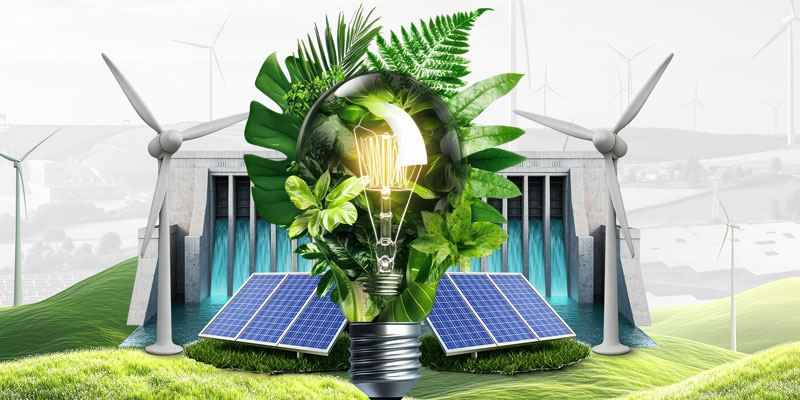
India’s rapid renewable-energy expansion is creating demand for technologies that can balance intermittent solar and wind generation. Battery storage helps preserve surplus electricity for periods of peak demand, improves grid stability and reduces dependence on conventional power sources.
Sigenergy specialises in integrated energy storage solutions combining batteries, inverters and energy-management software. Its SigenStor platform integrates an inverter, battery pack and electric-vehicle charging capabilities into a modular system designed for residential and commercial users.
The proposed investment would position the company to serve India’s growing demand for distributed energy solutions as well as larger storage applications.
From Imported Equipment to Local Production
Sigenergy has reportedly evaluated Maharashtra, Gujarat, Andhra Pradesh, Odisha and Tamil Nadu for its manufacturing operations. Earlier plans indicated a requirement for a 30–50-acre site, alongside incentives from state governments.
Local manufacturing could offer several advantages:
· Shorter supply chains and potentially lower logistics costs.
· Greater opportunities to participate in India’s clean-energy manufacturing ecosystem.
· Scope to develop products suited to Indian climatic conditions, grid requirements and consumer needs.
· Potential employment generation and technology development.
However, battery cells remain a critical challenge. Establishing a comprehensive domestic supply chain would require substantial capital, reliable access to raw materials and further localisation beyond assembling imported components.
IPO Funding and Strategic Considerations
Sigenergy listed on the Hong Kong Stock Exchange in April, raising HK$4.4 billion, equivalent to approximately $562 million, through its initial public offering. The capital provides financial support for research, manufacturing expansion and commercial development.
For India, the proposed investment could strengthen domestic energy-storage capacity and introduce additional competition. Nevertheless, authorities will need to assess regulatory compliance, data security and strategic considerations associated with Chinese investment.
Approvals and Execution Will Define the Opportunity
Sigenergy’s proposed $250 million investment reflects the commercial potential of India’s renewable-energy transition. A manufacturing base supported by research and development could help the company build a stronger presence in one of the world’s fastest-growing clean-energy markets.
Yet the announcement should be viewed as a proposed investment rather than an accomplished manufacturing milestone. Government approval, site selection, infrastructure readiness and access to a competitive domestic supply chain will determine whether the plans progress on schedule.
Ultimately, the project’s significance will depend on how much manufacturing, technology development and lasting economic value it creates within India, rather than the investment figure alone.
(With agency inputs)