A Major Energy Investment in Andhra Pradesh
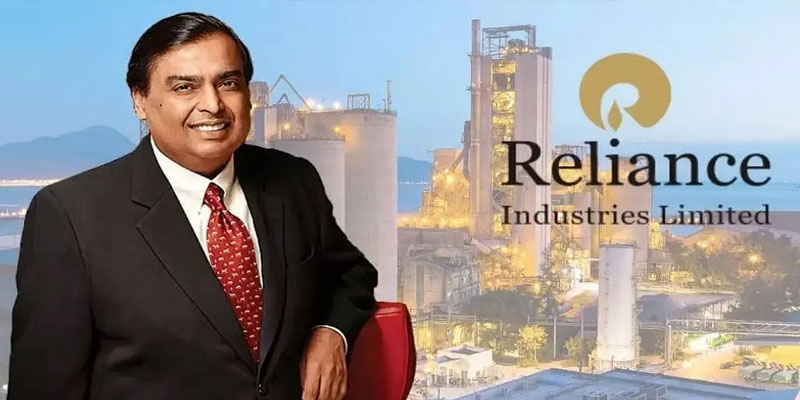
Reliance Industries is planning a $4.6 billion underground coal gasification complex in Andhra Pradesh, an ambitious industrial project that could eventually attract investments of up to ₹2.7 lakh crore over 30 years and generate approximately 40,000 direct and indirect jobs. The proposal reflects Reliance's strategy to unlock the potential of India's domestic coal resources and convert them into valuable gas-based feedstock for fuels, chemicals and other industrial applications.
Turning Underground Coal into Industrial Gas
The proposed project is outlined in a draft memorandum of understanding dated November 12 between Reliance Industries and the Andhra Pradesh Economic Development Board (APEDB).
Unlike conventional coal mining, underground coal gasification (UCG) converts coal deposits beneath the earth's surface into synthesis gas, commonly known as syngas. This gas can subsequently be processed into synthetic fuels, chemicals and industrial raw materials.
The APEDB will serve as the nodal facilitation agency, coordinating land, water and electricity requirements while facilitating engagement with central government ministries and other authorities.
Phased Investment Plan Reduces Financial Risk
· Initial phase: ₹3,000 crore for exploration, geological assessments and pilot demonstrations.
· Second phase: Approximately ₹40,000 crore, subject to successful trials and necessary clearances.
· Combined initial commitment: Around ₹43,000 crore, equivalent to approximately $4.6 billion.
· Long-term investment potential: Up to ₹2.7 lakh crore over a proposed 30-year period.
This phased approach will allow Reliance to establish technical feasibility and commercial viability before committing substantial capital to large-scale operations.
Employment Generation and Regional Development
The project could create approximately 5,000 direct jobs and 35,000 indirect employment opportunities.
Beyond employment, the investment could stimulate regional economic activity through construction, transportation, equipment manufacturing, logistics, gas processing and ancillary industrial services. Andhra Pradesh's infrastructure and industrial ecosystem could benefit significantly if the proposal advances to commercial implementation.
Strategic Importance for India's Energy Security
For Reliance, the initiative supports feedstock security for its energy and petrochemical businesses. For India, coal gasification offers an opportunity to reduce dependence on imported industrial feedstocks and extract greater economic value from domestic coal reserves.
Environmental Challenges and the Road Ahead
Underground gasification also presents concerns involving groundwater contamination, emissions, land use and long-term environmental monitoring. These require stringent safeguards and independent assessments.
A High-Stakes Bet on India's Energy Future
Ultimately, the proposal represents a potentially transformative industrial investment, but it remains at the MoU and feasibility stage. Its success will depend on pilot results, environmental clearances and commercial viability. If executed responsibly, it could strengthen domestic energy security, generate employment and establish Andhra Pradesh as an important energy-industrial destination.
(With agency inputs)