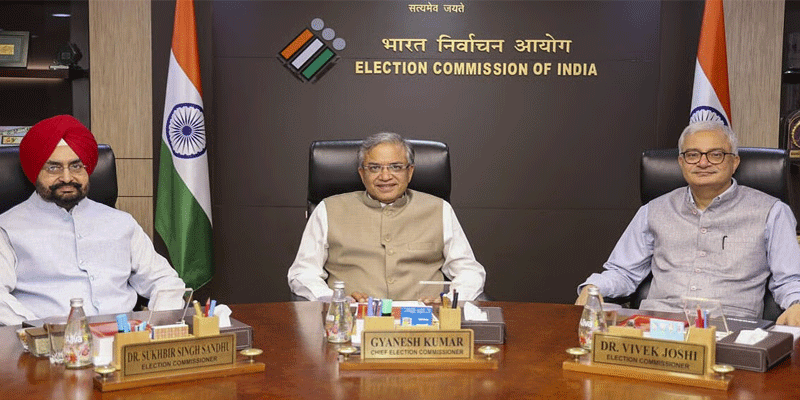
The confrontation over the Election Commission’s handling of the Special Intensive Revision (SIR) of electoral rolls has intensified, with Opposition parties preparing to renew their move seeking the removal of Chief Election Commissioner Gyanesh Kumar. The escalation follows reports of repeated objections raised internally by Election Commissioners Sukhbir Singh Sandhu and Vivek Joshi over various aspects of the voter-list revision process, triggering fresh questions about transparency, collective decision-making and institutional independence.
What Triggered the Latest Controversy?
The reported objections concerned several sensitive aspects of electoral administration, including:
· Changes to Form 6, used for voter registration.
· Addition and deletion of names from electoral rolls.
· Appeals relating to voter-list decisions.
· Access and control of electoral-roll software.
· Reported centralisation of voter-data systems in Delhi.
The report said the two commissioners objected on 14 occasions, including four instances when both raised concerns on the same day. The findings have fuelled Opposition allegations that decisions were being taken without adequate collective consultation.
The ECI, however, has rejected the interpretation that these communications represented a breakdown or formal dissent. It has acknowledged the existence of the notes but described them as routine suggestions, technical observations and internal checks, maintaining that all decisions were ultimately unanimous.
SIR Turns Administrative Issue into Political Flashpoint
SIR has become one of the most politically contentious electoral exercises in recent years. The process began in Bihar in June 2025 and has subsequently expanded to other states and Union Territories. The Indian Express reported that more than 13 crore names were struck from draft rolls across 30 states and UTs, making questions about verification, deletion and appeals particularly significant.
Opposition parties argue that large-scale deletions require maximum transparency and effective mechanisms for genuine voters to establish their eligibility. The ECI maintains that the exercise is intended to ensure accurate and reliable electoral rolls.
Opposition Escalates Its Demands
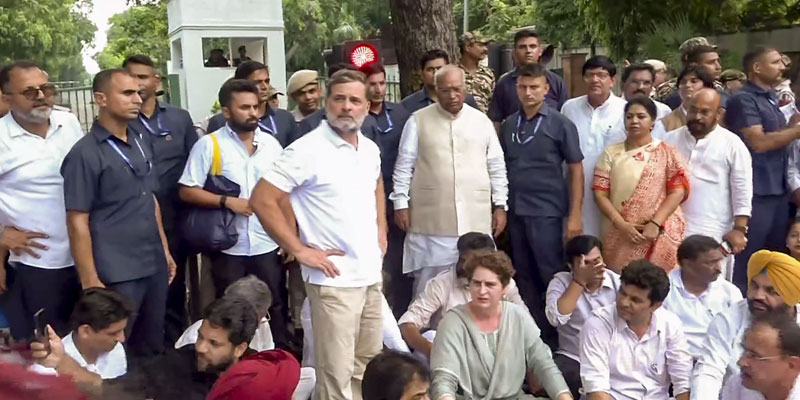
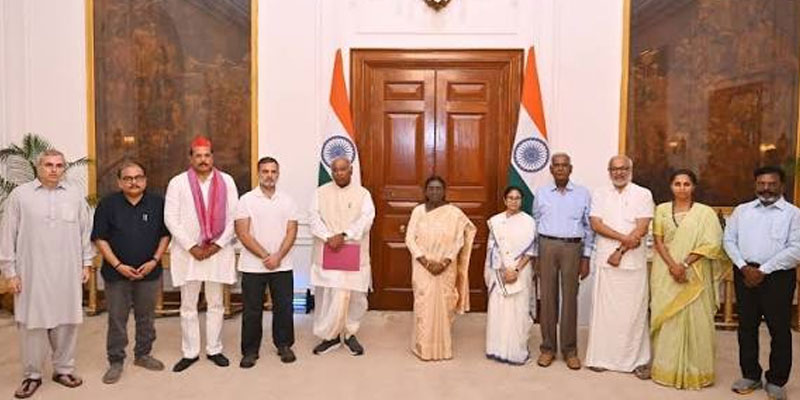
Congress and other Opposition parties have demanded Kumar’s resignation and removal, while some leaders have called for criminal action. Mamata Banerjee has demanded Kumar’s arrest and fresh elections in constituencies affected by the disputed roll revision, while Arvind Kejriwal has also called for his arrest.
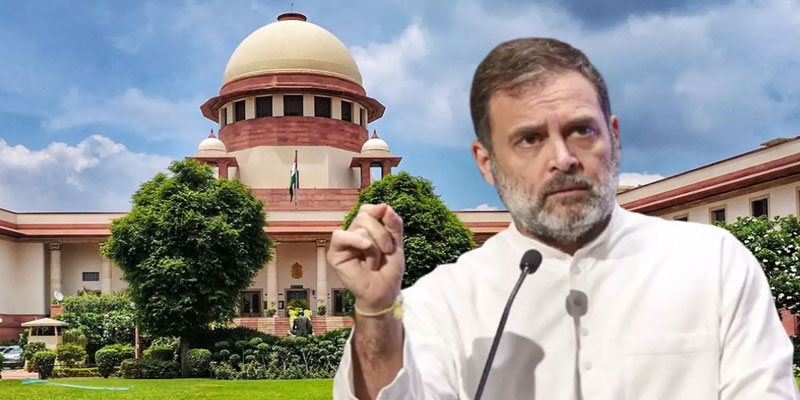
Rahul Gandhi has used much stronger language. Reacting to the reported internal objections, he described alleged “vote chori” as a crime against Indians and a direct attack on the Constitution, alleging that the BJP, RSS and Election Commission had committed “treason”. These are Gandhi’s political allegations, not established findings of a court or investigative agency.
Removal Process Has Strict Constitutional Hurdles
The controversy also needs to be viewed against the constitutional protection given to the CEC. Under Article 324, removal is possible only on grounds and through a process comparable to that applicable to a Supreme Court judge. A removal motion requires at least 100 Lok Sabha or 50 Rajya Sabha members to sign the notice, followed by the prescribed parliamentary process.
The Opposition had already submitted removal notices in March, but both the Lok Sabha Speaker and Rajya Sabha Chairman rejected them in April. The latest move would therefore represent a renewed political-constitutional effort rather than the continuation of an already admitted proceeding.
The Bigger Test: Electoral Trust
The dispute now extends beyond one CEC or one voter-revision exercise. Supreme Court Justice Dipankar Datta has stressed that the ECI must not only be independent but also be seen to act independently if elections are to remain free and fair.
The immediate challenge is therefore transparency: whether the reported objections can be fully explained, whether the ECI can demonstrate collective authorisation of contested decisions, and whether voters have adequate safeguards against wrongful exclusion. The Commission’s claim of unanimous decision-making and the Opposition’s allegations of institutional concentration now stand in direct contrast. How those competing claims are examined—and whether documentary evidence ultimately substantiates either interpretation—will determine whether the SIR controversy remains a fierce political confrontation or develops into a deeper institutional challenge to public confidence in India’s electoral system.
(With agency inputs)