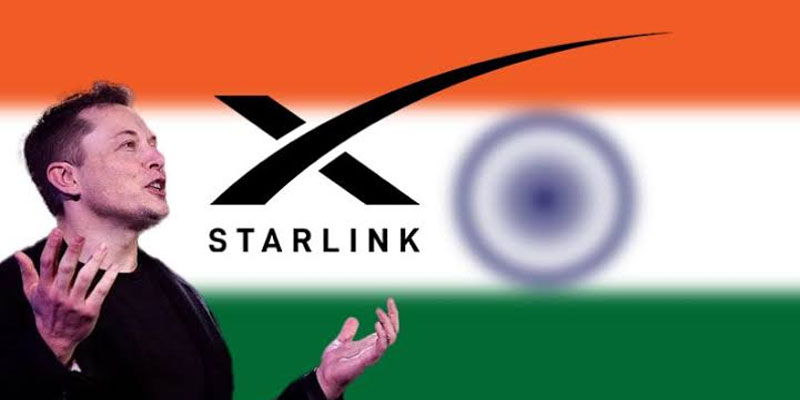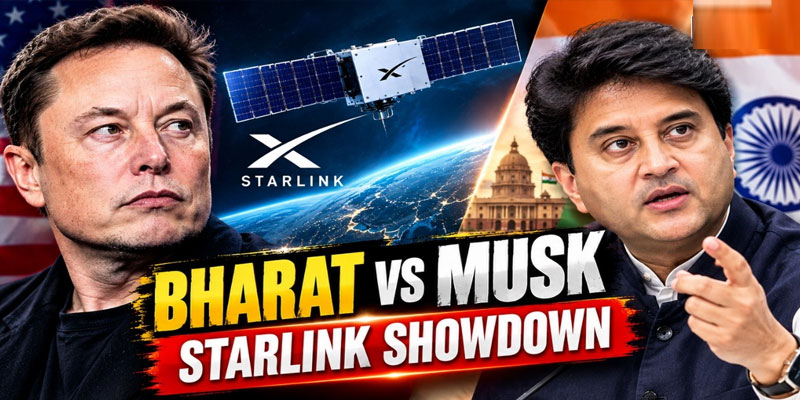
India's satellite internet ambitions have entered a contentious phase as BJP MP Nishikant Dubey challenged Elon Musk over Starlink's proposed commercial operations, asserting that national security cannot be compromised under corporate or political pressure.
Dubey, chairman of Parliament's Communications and IT Committee, said security agencies had examined potential risks associated with Starlink. He cited concerns involving the Defence Ministry, Home Ministry and investigative agencies.
Responding to Musk on X, Dubey maintained that India's sovereign security policies would not change because of social media criticism or commercial lobbying. He also referred to concerns reportedly communicated to telecom regulators in 2013–14.
The confrontation intensified after Musk criticised opposition to Starlink's entry, accusing supporters of Reliance Industries chairman Mukesh Ambani of protecting existing market interests. Musk argued that greater satellite broadband competition would benefit Indian consumers.
Meanwhile, India's Ministry of Communications rejected allegations of discriminatory treatment. It clarified that three satellite communication licensees were undergoing security assessments and remained at broadly comparable regulatory stages before spectrum assignment.
The deeper issue extends beyond market competition. Satellite networks offer connectivity across remote villages, border regions and underserved territories. However, they also introduce questions involving lawful interception, data sovereignty, network monitoring and communications during national emergencies.
India must balance digital inclusion with regulatory transparency and security accountability. Independent technical assessments, enforceable licensing conditions and equal treatment of operators can strengthen public confidence. The ultimate test is whether India can welcome satellite innovation while retaining effective oversight of critical communications infrastructure.