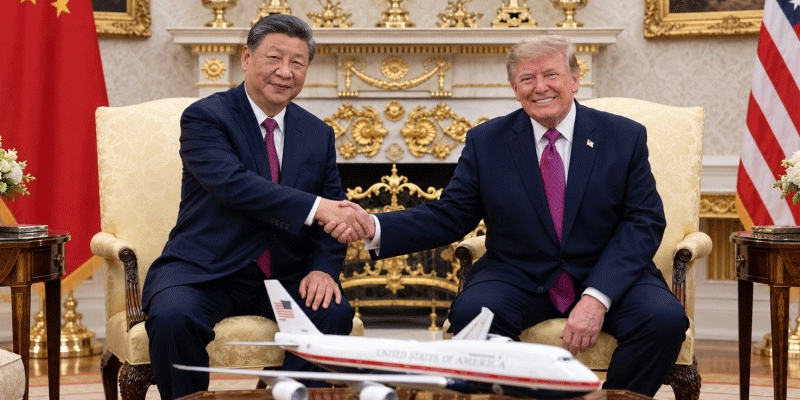
The Trump-Xi summit in Washington delivered temporary stability to the world’s most consequential bilateral relationship, but stopped short of resolving the structural disputes dividing the United States and China.
President Donald Trump and President Xi Jinping agreed to extend their economic truce by two months, until January 10, 2027. The countries also identified approximately $30 billion of non-sensitive goods in each direction for potential tariff reductions.
Key Highlights
-
Trade truce extended until January 10, 2027.
-
$30-billion goods package identified for possible tariff reductions.
-
Chinese US coal purchases planned for 2027–28.
-
Rare-earth supply concerns remain unresolved.
-
Semiconductor restrictions remain a strategic dividing line.
-
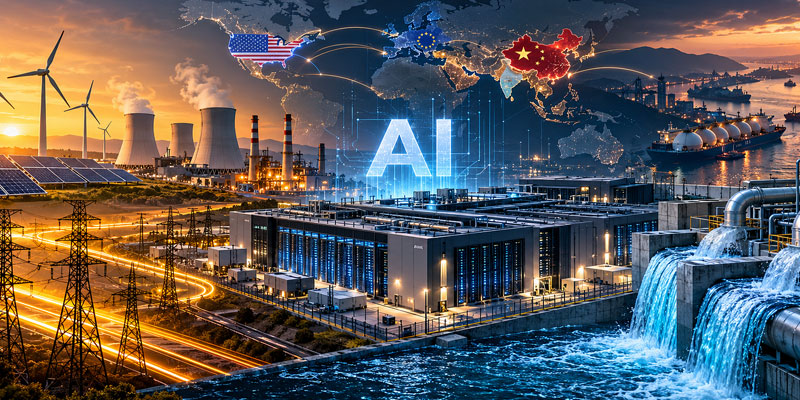
AI dialogue advances, without ending technology competition.
-
Global supply chains diversify as countries hedge against prolonged US-China rivalry.
China agreed to purchase at least 10 million metric tons of US coal annually in 2027 and 2028. Agriculture also remains important, although implementation of earlier purchasing commitments continues to attract scrutiny.
The harder disputes remain unresolved. Rare-earth supplies continue to concern Washington, while semiconductor export controls remain central to the technology rivalry. The summit produced an AI dialogue and communication mechanism, but no major breakthrough on advanced chips or AI competition.
Taiwan remains another critical fault line. Washington did not announce a change in its established policy, while geopolitical disagreements involving Iran and other security issues continue to complicate bilateral relations.
The emerging pattern is increasingly one of managed rivalry: Washington and Beijing can negotiate limited trade compromises while simultaneously competing over AI, semiconductors, critical minerals and strategic influence.
For the global economy, this creates opportunities for countries including India, Vietnam, Indonesia and Australia as companies diversify manufacturing and critical supply chains. The summit therefore signals neither reconciliation nor complete decoupling, but an evolving global order built around selective cooperation and strategic competition.