A Morning of Violence in a Restive City
A deadly wave of violence shook Pakistan on November 24, 2025, when a coordinated suicide bombing and gun attack targeted the Frontier Constabulary (FC) headquarters in Peshawar. Two suicide bombers detonated explosives at the main entrance and inside the compound, enabling gunmen to infiltrate the facility. The swift confrontation that followed left three FC personnel and all three attackers dead, underscoring once again the fragile security landscape in Khyber Pakhtunkhwa.
A Persistent Battleground Against Militancy
Peshawar has long stood at the intersection of Pakistan’s internal security struggles—its proximity to the Afghan border and its history of militant entrenchment make it highly vulnerable to coordinated terror operations. The latest assault on the FC headquarters highlights the enduring capacity of militant groups to target state institutions despite intensified counterterrorism efforts. It also raises pressing questions about intelligence gaps, border vulnerabilities, and the evolving tactics of extremist networks.
Anatomy of the Attack: Execution and Immediate Impact
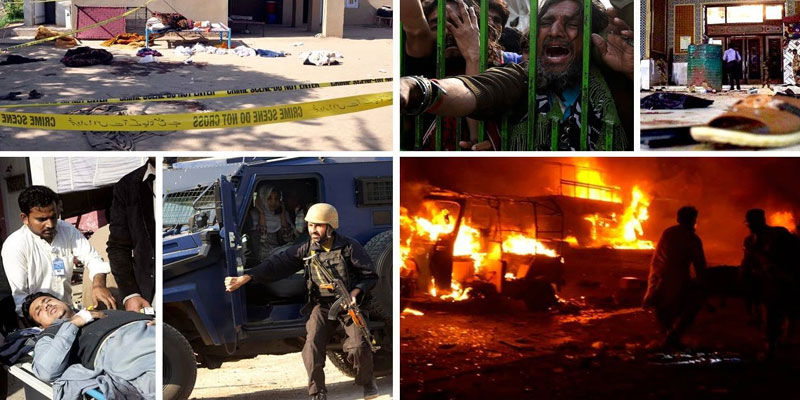
The attack unfolded in the early morning near the heavily populated cantonment area. The first suicide bomber detonated at the compound’s main gate, breaching initial security layers. Moments later, a second bomber penetrated further into the facility before setting off another deadly explosion.
Three Frontier Constabulary personnel were killed, and several others sustained injuries before being transported to Lady Reading Hospital. Security forces—comprising FC units, army contingents, and police—quickly cordoned off the area, sealed adjoining roads, and initiated an aggressive clearance operation. The gunfight ended with the elimination of all three attackers, preventing a far greater tragedy.
Prime Minister Shehbaz Sharif condemned the assault, praising security forces for their rapid containment and vowing accountability for those behind the plot. Investigators are now analyzing blast sites, weapon remnants, and possible reconnaissance routes used by the attackers.
A Pattern of Escalating Militant Aggression
The Peshawar attack cannot be viewed in isolation. It aligns with a broader resurgence of extremist violence since the Pakistan Tehreek-e-Taliban (TTP) ended its ceasefire in 2022. The region has witnessed a series of high-profile attacks:
· January 2023, Peshawar Police Lines Mosque bombing: A suicide attack killed over 100 police personnel, one of the deadliest assaults on law enforcement in the city’s history.
· December 2023, Bannu cantonment attack: Militants seized a counterterrorism interrogation center, sparking a prolonged operation.
· August 2024, Hayatabad paramilitary attack: Gunmen targeted an FC convoy, killing several personnel and injuring dozens.
The FC headquarters, responsible for securing Pakistan’s western frontier and assisting counterinsurgency operations, remains a symbolic and strategic target. Militant groups aim to weaken the state’s front-line defenses, disrupt border management, and undermine the security architecture protecting urban and tribal regions.
Additionally, the evolving sophistication of attacks—multiple bombers, coordinated gunfire, and targeted breaches—signals a worrying escalation in operational capability.
Strengthening Security Through Strategy and Reform
The Peshawar attack reinforces the urgent need for comprehensive counterterrorism reforms, improved intelligence coordination, and enhanced border security. Technological surveillance, community-level intelligence networks, and joint operations between civilian and military agencies will be crucial in pre-empting complex attacks.
Beyond forceful responses, long-term solutions must also address ideological radicalization, economic vulnerabilities in border regions, and cross-border militant mobility.
As Pakistan confronts recurring waves of insurgency, the path forward lies not only in tactical efficiency but in strengthening institutions, fostering regional cooperation, and implementing durable security strategies—steps essential to preventing tragedies like the FC headquarters attack from becoming the norm.
(With agency inputs)