A Discovery Laden with Tactical and Emotional Weight
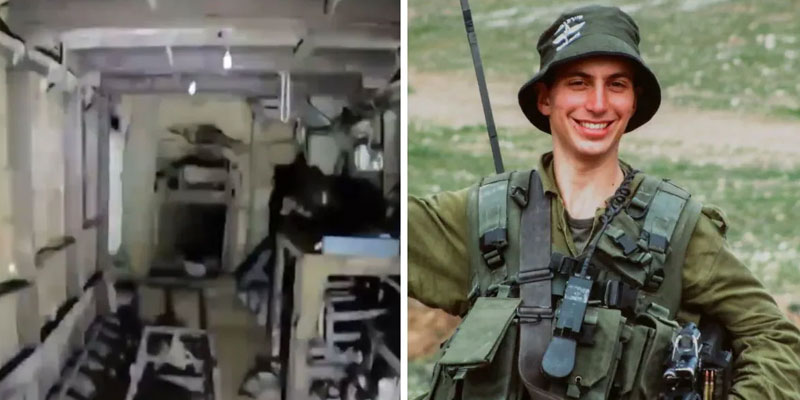
Israel’s uncovering of a sprawling Hamas tunnel network in southern Gaza has brought renewed focus to the subterranean dimension of the Israel–Hamas conflict. Stretching more than seven kilometers and descending nearly 25 meters underground, the tunnel housed 80 rooms and—most poignantly—the remains of Lieutenant Hadar Goldin, an Israeli soldier killed in 2014. The discovery is both a tactical breakthrough and a piercing reminder of the war’s enduring human toll.
A Vast Subterranean System Under Civilian Terrain
The tunnel lies beneath densely populated neighborhoods near Rafah, weaving below UNRWA facilities, mosques, clinics, kindergartens, and schools. Israeli Defense Forces describe it as one of the most sophisticated structures uncovered to date. Its size and complexity, from sleeping quarters and weapons stores to planning rooms, demonstrate Hamas’s extensive underground infrastructure and its capacity to operate beneath civilian cover.
Such placement poses intricate challenges. The use of civilian zones for military infrastructure complicates Israeli operational planning, elevates the risks of collateral damage, and deepens international concern over warfare in densely inhabited areas. For Israel, the tunnel is further evidence of Hamas’s ability to embed military assets within civilian environments to gain tactical advantage and shield operatives from aerial and ground strikes.
The Goldin Tragedy: A Conflict Reopened
Lieutenant Hadar Goldin was killed during a Hamas ambush in 2014—just two hours after a ceasefire was announced during Operation Protective Edge. His body was taken into the tunnel network and kept in Hamas custody for over eleven years. His return in November 2025, following months of negotiations, reverberated emotionally across Israel.
Subsequent IDF operations focused on securing the area and identifying the full scale of the underground system in which his remains were concealed. The discovery of this network served not only as closure for Goldin’s family, but as a stark symbol of the conflict’s unresolved wounds and the persistent leverage Hamas maintains through hostage-taking.
A Strategic Hub for Hamas Commanders
Elite Israeli units—including Yahalom, the IDF’s combat engineering specialists, and Shayetet 13—were deployed to map and inspect the tunnel. Intelligence assessments revealed that it served as a command center for senior Hamas figures, including Muhammad Shabana, former head of the Rafah Brigade, and Mohammed Sinwar, both of whom were killed in 2025.
The tunnel’s advanced construction underscores Hamas’s sustained capacity to build, maintain, and operate underground systems despite years of Israeli strikes. These tunnels provide mobility, protection, and operational surprise, allowing Hamas to evade surveillance and sustain military activities during prolonged conflicts.
Broader Implications Amid a Fragile Ceasefire
The revelation comes at a time of intermittent ceasefire violations and ongoing instability. The tunnel not only exposes the depth of Hamas’s underground capabilities but also reaffirms the enduring volatility of the Gaza conflict. For Israel, the find offers valuable intelligence but also a sobering reminder of the persistent threats that lie beneath Gaza’s surface.
Tactical Gain, Human Reminder
The discovery of the 7-kilometre Hamas tunnel—with its 80 rooms and significant strategic role—represents a major operational achievement for Israel. Yet it also reopens the emotional scars associated with Lieutenant Goldin’s death and captivity. As Israel continues efforts to dismantle subterranean networks, the episode highlights the profound complexities of urban warfare, the intertwined fate of civilians and combatants, and the ongoing struggle to balance military objectives with humanitarian constraints in one of the world’s most entrenched conflicts.
(With agency inputs)