A Landmark Moment in India–US Economic Relations
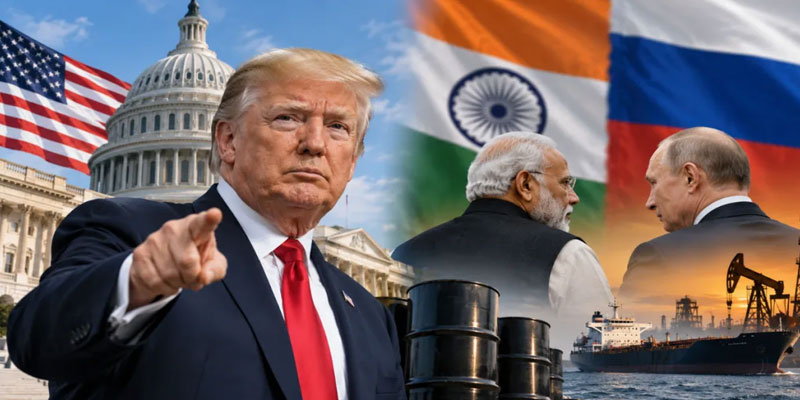
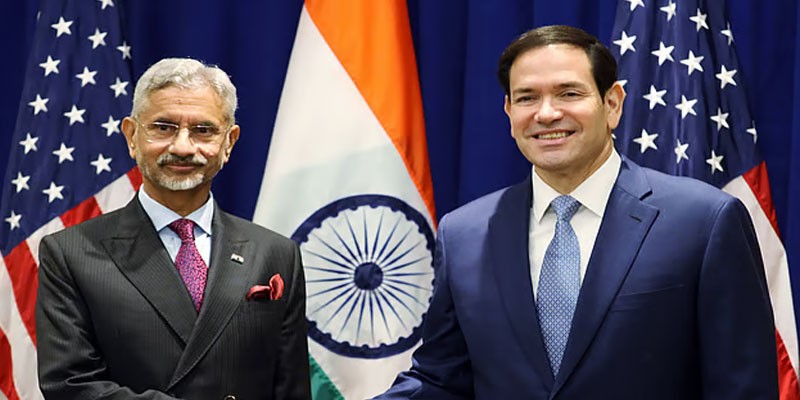
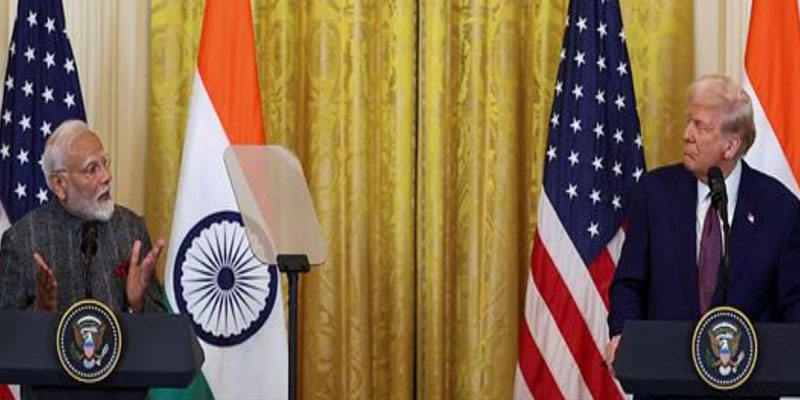
India and the United States have entered a pivotal new phase in their economic partnership with the announcement of a landmark trade understanding that sharply lowers US reciprocal tariffs on Indian goods. Finalised after direct talks between President Donald Trump and Prime Minister Narendra Modi in early February 2026, the move signals renewed political will to stabilise trade ties after months of friction and uncertainty.
Setting the Context: The India–US Trade Agreement
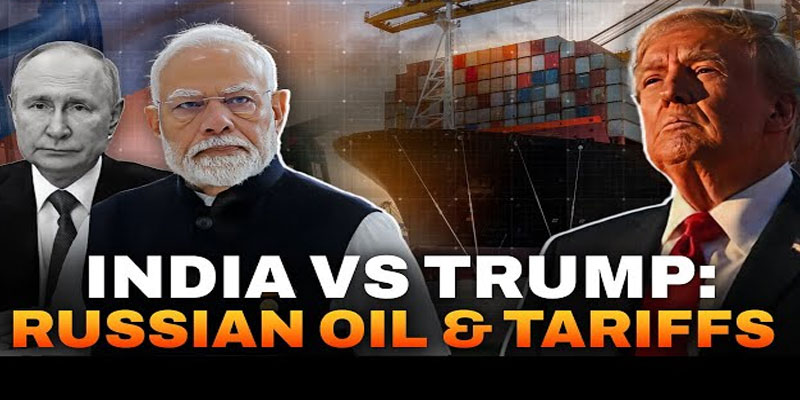
At the core of the announcement is an immediate reduction in US tariffs on Indian exports—from punitive levels ranging between 25% and 50% down to a uniform 18%. This rollback comes after a period marked by escalating duties imposed by Washington in response to trade imbalances and India’s continued imports of discounted Russian crude oil.
While US officials have portrayed the agreement as encompassing wide-ranging Indian commitments—such as zero tariffs on American goods, large-scale purchases of US energy and technology, and a gradual exit from Russian oil—New Delhi has so far limited its public commentary to welcoming the tariff relief. The absence of a formally signed document underscores that this remains a political understanding rather than a legally binding treaty, leaving room for differing interpretations.
Anatomy of the Deal: What Has Changed
The most concrete outcome is the reduction of US reciprocal tariffs to 18%, including the removal of Russia-related penalty duties that had pushed effective rates as high as 50% on nearly $48 billion worth of Indian exports. This restores a measure of predictability for Indian exporters who had been grappling with shrinking margins and order losses since 2025.
On the US side, the administration has framed the deal as a step toward “reciprocal trade,” citing India’s intent to expand imports of American energy, agriculture, coal, and advanced technology over the coming years. Both governments have reiterated a shared ambition to raise bilateral trade to $500 billion by 2030, more than double the level recorded in 2024.
Sectoral Winners: Where India Gains the Most
The tariff cut is especially significant for labour-intensive and export-driven Indian industries that are deeply integrated with the US market.
· Engineering Goods
Accounting for roughly a quarter of India’s exports to the US, engineering products—ranging from auto components to industrial machinery—were among the hardest hit by earlier tariff hikes. With duties now reduced, manufacturers are better positioned to regain lost volumes and compete with suppliers from Southeast Asia.
· Gems and Jewellery
Exports of gems and jewellery to the US, valued at around $9 billion annually, had suffered from steep tariffs that triggered order cancellations. The lower rate restores price competitiveness for production hubs in Gujarat and Kerala, particularly against rivals facing similar or higher US duties.
· Textiles and Leather
India’s textile and leather sectors, which saw export declines of up to 40% during the tariff escalation, stand to benefit meaningfully. Apparel manufacturers in Tamil Nadu and Gujarat are expected to regain traction in the US market, narrowing the gap with competitors like Vietnam and Bangladesh.
· Seafood and Select Agricultural Products
Shrimp exports and niche agricultural products such as spices and coffee, which experienced sharp drops in shipments, are likely to see a gradual recovery. Coastal states and agrarian regions could benefit from renewed demand and employment generation.
Opportunity with Caveats
The 18% tariff reset offers immediate relief to Indian exporters and reinforces the strategic logic of deeper India–US economic cooperation. It enhances India’s export competitiveness, supports job-intensive sectors, and aligns with broader geopolitical convergence between the two democracies.
However, the absence of a detailed, signed agreement leaves critical questions unanswered—particularly around India’s long-term purchase commitments and energy strategy. The true impact of the deal will depend on how these understandings are formalised and implemented. If managed carefully, this trade reset could serve as a cornerstone for a more balanced and resilient India–US economic partnership in the decade ahead.
(With agency inputs)