A High-Stakes White House Meeting
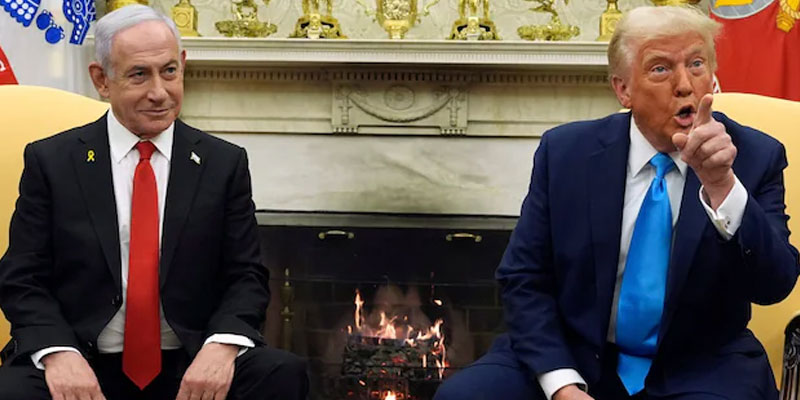
On Monday, U.S. President Donald Trump will welcome Israeli Prime Minister Benjamin Netanyahu to the White House, a meeting laden with symbolism and risk. Nearly two years into Israel’s war against Hamas in Gaza, and amid a tide of global recognition of Palestinian statehood, Washington is pressing for a peace framework that could reshape the Middle East. For Netanyahu, who faces mounting pressure abroad and at home, the visit is a bid to reinforce Israel’s most vital alliance.
Isolation Abroad, Support at Home
The backdrop to Netanyahu’s U.S. visit is one of deepening diplomatic isolation. At the UN General Assembly last week, his speech was met with walkouts from numerous delegates. His fiery denunciation of what he called the “disgraceful” decision by Britain, France, Canada, Australia, and others to recognize Palestinian statehood highlighted Israel’s frustration. These nations argue recognition is essential to salvaging the two-state solution and hastening an end to the Gaza war.
Yet, in Washington, Netanyahu can count on a friendlier reception. Trump has dismissed European recognition efforts as rewarding Hamas and insists his own proposal is the credible route to peace.
Trump’s Push for a Deal
In a weekend interview, Trump signaled confidence that Netanyahu is open to a breakthrough. “We’re getting a very good response because Bibi wants to make the deal too. Everybody wants to make the deal,” he said, stressing that the initiative is designed not just for Gaza but for broader Middle East peace.
The plan, shared discreetly with Arab and Muslim leaders during last week’s UN meetings, contains 21 points. Among them: the release of all hostages, living and dead; a halt to Israeli strikes on Qatar; and the initiation of a renewed Israel-Palestinian dialogue aimed at “peaceful coexistence.” Trump credited Saudi Arabia, Qatar, the UAE, Jordan, and Egypt for helping shape the proposal, signaling an intent to anchor the process in regional consensus.
Israel’s Uncertain Response
For now, Israel has not committed. A senior official admitted “it’s too early to tell,” noting that Netanyahu will deliver Israel’s formal response during his meeting with Trump. The prime minister, however, is under intensifying pressure from multiple fronts. Hostage families are demanding swifter action, and polls show a war-weary Israeli public growing skeptical of indefinite fighting.
Still, Netanyahu has repeatedly vowed not to stop until Hamas is dismantled. That uncompromising stance has already scuttled previous ceasefire initiatives, leaving doubts over how far Israel will go in entertaining Trump’s plan.
Gaza’s Heavy Toll
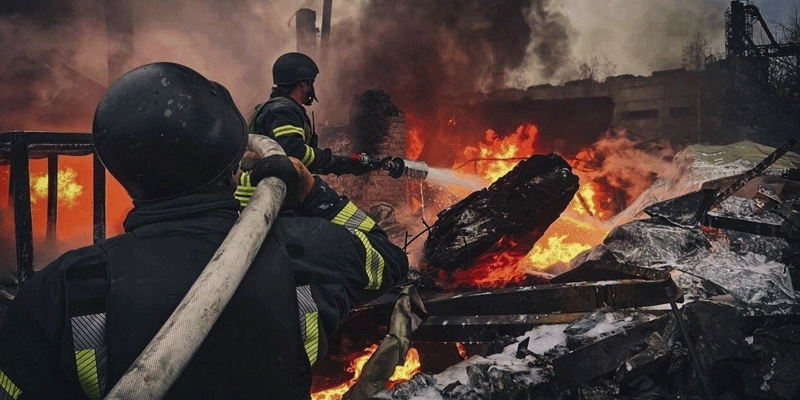
The humanitarian toll continues to mount. Hamas’s October 7, 2023 assault inside Israel killed about 1,200 people, according to Israeli figures. Since then, Israel’s military campaign has devastated Gaza. Local health officials report more than 65,000 dead, vast swaths of the enclave reduced to rubble, and widespread hunger gripping the population.
The International Criminal Court has even issued a warrant for Netanyahu over alleged war crimes—charges Israel rejects, citing the court’s lack of jurisdiction. Nonetheless, such developments add to the prime minister’s international isolation.
Flashpoints of Tension
Though Trump and Netanyahu remain largely aligned, fissures are possible. Hardliners in Israel’s governing coalition have urged annexation of parts of the West Bank in response to global recognition of Palestinian statehood. But Trump has drawn a red line, saying he will not permit Israel to extend sovereignty over the territory, which Palestinians claim alongside Gaza and East Jerusalem as part of their future state.
Analysts caution that annexation could unravel the Abraham Accords, the Trump-brokered normalization agreements between Israel and several Arab states. Preserving those accords while pushing forward a new Gaza framework represents a delicate balancing act for both leaders.
An Unfinished Puzzle
The Trump-Netanyahu meeting comes at a moment of high tension and limited trust. For Trump, a peace framework offers the chance to revive his image as a dealmaker and restore American leadership in the Middle East. For Netanyahu, it is a lifeline to shore up support while under siege diplomatically and politically.
Yet the obstacles are formidable: an uncompromising Hamas, an Israeli government divided between pragmatism and hardline demands, and a war that has already taken a devastating human toll. A credible path forward will require not only words in Washington but also sustained commitments from regional players.
The peace plan now on the table may not resolve every fault line, but it represents a rare opening. Whether it leads to genuine progress—or joins the long list of failed initiatives—will depend on choices made in the days and weeks ahead.
(With agency inputs)