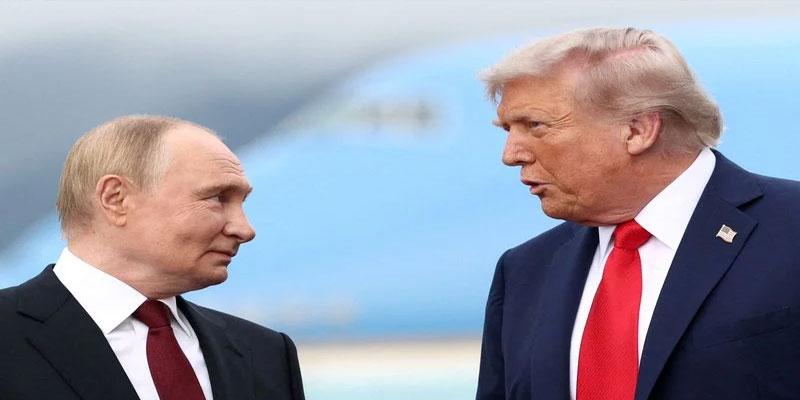
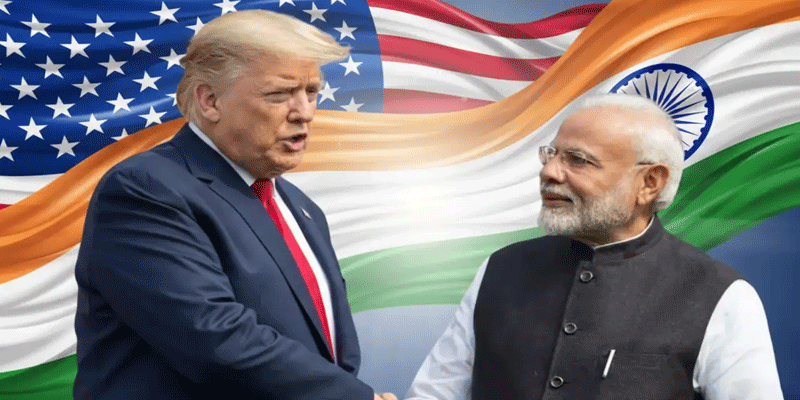
US President Donald Trump has claimed that Chinese President Xi Jinping agreed the Strait of Hormuz must remain open to ensure the uninterrupted flow of global energy supplies, marking an unexpected diplomatic development amid rising tensions involving Iran. Speaking after a recent visit to China, Trump said discussions with Xi “went very well” and suggested that both leaders shared the view that the ongoing conflict involving Iran should not continue.
The comments come at a time of heightened geopolitical anxiety over the Strait of Hormuz, one of the world’s most strategically important maritime routes through which a major share of global oil shipments passes. Any disruption in the waterway could severely affect international energy markets, especially in Asia and Europe.
Why the Strait of Hormuz Matters
The Strait of Hormuz connects the Persian Gulf with the Arabian Sea and serves as a critical passage for crude oil exports from Gulf nations. Iran has historically threatened to disrupt shipping through the Strait during periods of confrontation with the United States and its allies.
For China, the issue is particularly sensitive because it remains one of the world’s largest importers of Middle Eastern oil, including Iranian crude. Any prolonged blockade or military escalation could directly impact China’s energy security and industrial economy.
Trump stated that Xi understood the necessity of keeping the Strait open, indicating a rare moment of strategic convergence between Washington and Beijing despite broader disagreements on trade, technology, and Taiwan.
China’s Position on the Conflict
China’s Foreign Ministry adopted a cautious but clear tone, stating that “there is no point in continuing this conflict which should not have happened in the first place.” Although Beijing did not officially confirm detailed discussions between Trump and Xi regarding Iran, the statement reflected China’s growing concern over instability in the Middle East.
Beijing has traditionally preferred diplomatic engagement over military confrontation and has consistently advocated political negotiations in regional conflicts. China also maintains important economic relations with Iran, especially in the energy sector, making stability in the Gulf strategically important for Beijing.
The possibility of China helping to facilitate de-escalation therefore carries considerable diplomatic significance.
Trump Signals Potential Shift on Iran Oil Sanctions
One of the most notable aspects of Trump’s remarks was his indication that the United States could reconsider sanctions on Chinese companies purchasing Iranian oil. Earlier in April 2026, the Trump administration imposed sanctions on China-based refiners and shipping firms accused of helping finance Iran’s military activities through oil trade.
The suggestion of possible sanctions relief now points toward a more flexible diplomatic strategy aimed at drawing Iran back into negotiations over its nuclear programme and regional activities.
Trump reiterated that the United States does not want Iran to develop nuclear weapons and insisted that Tehran “has to make a deal.”
Iran’s Cautious Response
Iran has responded carefully, saying it remains open to negotiations but deeply distrusts Washington due to previous breakdowns in agreements and military actions during earlier diplomatic efforts. Iranian officials insist that any talks must occur “with dignity” and without external pressure.
This trust deficit remains one of the biggest obstacles to any lasting diplomatic breakthrough.
A Rare Alignment Amid Global Rivalries
The emerging alignment between the United States and China on Iran represents an unusual moment in global diplomacy. While Washington and Beijing remain strategic competitors in many areas, both appear to recognize that prolonged instability in the Gulf threatens global energy security and economic stability. Whether this convergence can translate into meaningful negotiations with Iran remains uncertain, but it has opened a potentially important pathway toward de-escalation in one of the world’s most volatile regions.
(With agency inputs)