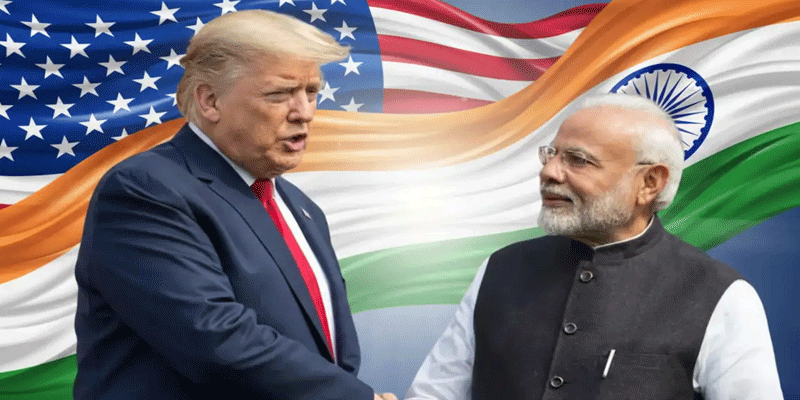
Speculation is growing over a possible new American military campaign against Iran after reports emerged that the United States is preparing contingency plans for renewed large-scale strikes under a proposed “Operation Epic Fury 2.0.” The discussions reportedly intensified following President Donald Trump’s recent diplomatic visit to China, where he held talks with Chinese President Xi Jinping on Iran, nuclear tensions, and the Strait of Hormuz.
However, Trump now faces a difficult political and strategic calculation. With the November mid-term elections approaching, public support for prolonged military conflict appears to be weakening, while the economic burden of instability in global energy markets is increasingly affecting ordinary Americans. At the same time, U.S. allies are pressuring Washington to pursue compromise and ensure Iran reopens the Strait of Hormuz, a critical route for global oil supplies.
From Diplomacy to Military Preparation
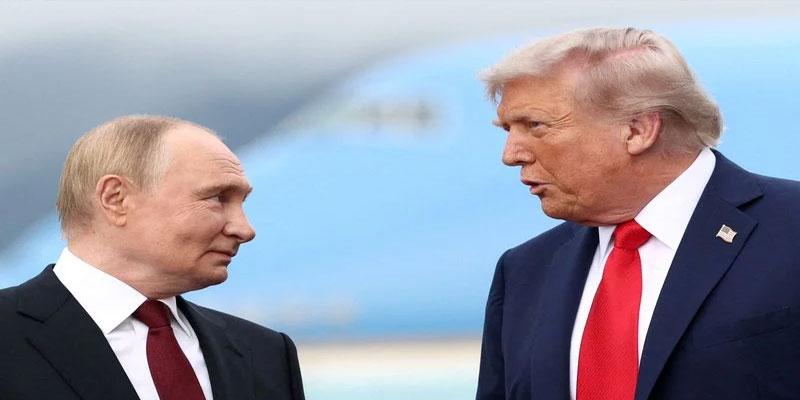
Trump’s China visit was viewed as an important diplomatic development because both Washington and Beijing appeared to align on a key issue: preventing Iran from acquiring nuclear weapons. Trump also claimed that Xi supported efforts to keep the Strait of Hormuz open, an issue of major concern for global energy security.
Despite this limited convergence, broader negotiations with Iran have reportedly stalled. According to multiple reports, Trump rejected Iran’s latest peace proposal after returning from China, leading Pentagon planners to intensify preparations for possible escalation.
The renewed military planning reportedly includes coordination with Israeli forces, with officials describing current exercises as among the largest joint U.S.-Israeli operational preparations since the earlier ceasefire.
What Could Operation Epic Fury 2.0 Involve?
Reports suggest the Pentagon is considering several military options if diplomacy collapses completely. Potential targets could include Iranian military bases, command centres, nuclear-related facilities, and strategic infrastructure linked to oil exports.
One area reportedly under consideration is the Isfahan nuclear facility, which remains central to concerns over Iran’s enriched uranium activities. Kharg Island, a vital hub for Iranian oil exports, has also reportedly been identified as a strategic pressure point.
In addition to air operations, American special forces are believed to be preparing contingency plans for targeted missions if required. Defence Secretary Pete Hegseth recently acknowledged before lawmakers that the United States has “a plan to escalate if necessary.”
Political Risks for Trump
The possibility of renewed conflict arrives at a politically sensitive time for Trump. While projecting strength on national security has long been central to his political messaging, prolonged military action carries growing domestic risks.
Many Americans are increasingly concerned about inflation, fuel prices, and the broader financial costs associated with instability in the Middle East. Rising war fatigue could influence voter sentiment ahead of the mid-term elections, particularly if conflict disrupts energy markets further.
Trump therefore faces competing pressures: appearing decisive against Iran while avoiding a prolonged and unpopular military confrontation.
International Concerns Over Escalation
The renewed strike discussions have also revived criticism over earlier threats targeting Iranian civilian infrastructure, which international observers warned could violate international law. Any expanded campaign against strategic infrastructure would likely trigger global concern about humanitarian consequences and regional escalation.
The broader fear remains that direct confrontation could pull multiple regional actors into conflict and severely disrupt oil shipments through the Strait of Hormuz.
Diplomacy or Dangerous Escalation Ahead
The debate surrounding a possible Operation Epic Fury 2.0 reflects the fragile balance between diplomacy and military escalation in the Middle East. While Trump seeks to pressure Iran into concessions over nuclear issues and maritime security, the political, economic, and geopolitical risks of renewed strikes remain extremely high. Whether diplomacy ultimately prevails or conflict intensifies could shape not only regional stability but also global energy markets and American politics in the months ahead.
(With agency inputs)