Trump-Xi Summit Puts US-China Ties to Test
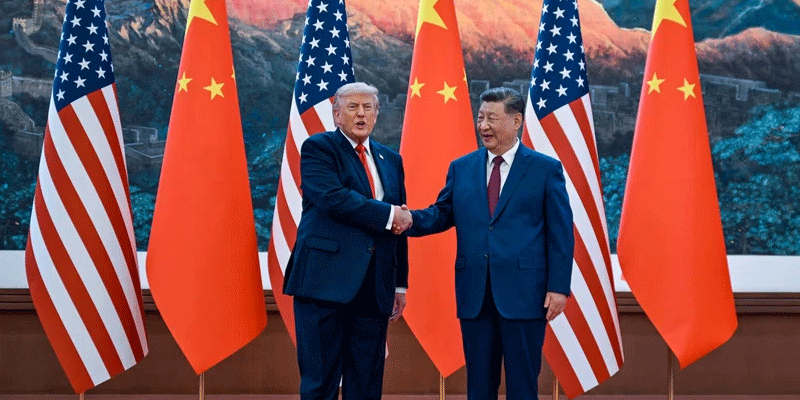
Chinese President Xi Jinping’s arrival in Washington for a three-day state visit has begun with an unusually personal gesture from US President Donald Trump. Trump travelled to Joint Base Andrews to receive Xi and his wife, Peng Liyuan, in a ceremony featuring a military band and ceremonial honours. The airport welcome departed from normal diplomatic practice and immediately highlighted the political importance attached to the summit.
A Welcome Loaded with Diplomatic Significance
Under conventional US protocol, visiting heads of state are generally received at the airport by senior officials, with the full ceremonial welcome taking place later at the White House. Trump’s decision to personally greet Xi therefore carried significance beyond hospitality.
The gesture also echoed the elaborate reception Trump received during his May visit to China. It projects warmth and personal engagement even as Washington and Beijing remain strategic competitors. For Xi, the ceremony symbolically acknowledged China’s importance in the global balance of power.
A Summit Built on Fragile Stability
Xi’s visit comes after years of disputes over tariffs, technology restrictions, Taiwan, critical minerals and military competition. Although Trump and Xi have maintained direct engagement, mutual distrust remains substantial.
The immediate economic backdrop is a fragile trade truce. US Treasury Secretary Scott Bessent has said the arrangement between Washington and Beijing has been extended to January 10, creating additional space for negotiations.
Trade, Technology and Rare Earths Take Centre Stage
Trade is expected to dominate the discussions. Washington is seeking tangible economic gains, potentially including:
· Increased Chinese purchases of US agricultural products and aircraft.
· Greater access to critical minerals and rare-earth supplies.
· Progress on non-tariff barriers.
· Continued restraint in tariff escalation.
Beijing, meanwhile, has incentives to seek tariff relief and greater access to advanced US technologies. Reuters reports that both sides are also examining ways to stabilise their economic relationship.
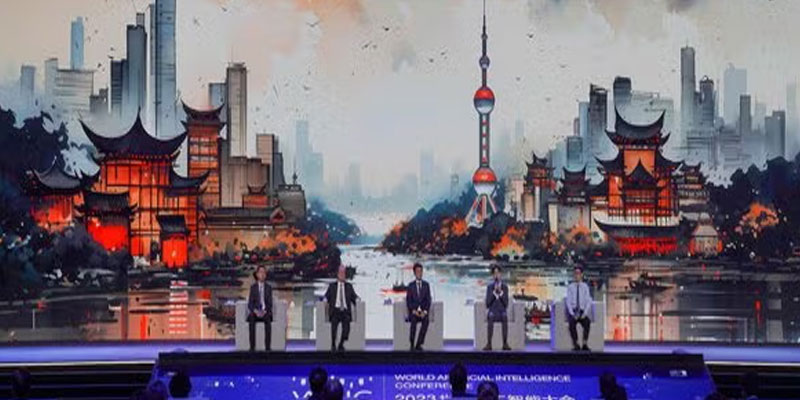
Artificial intelligence provides a narrower area for cooperation. The two countries have discussed a possible notification mechanism for serious AI incidents involving national security. However, competition over advanced chips, computing capacity and military applications remains a major obstacle to deeper technological cooperation.
Taiwan and Iran Add Geopolitical Pressure
Taiwan is likely to be among the most sensitive subjects. Xi is expected to oppose further US arms sales to Taipei, including a proposed package reported at around $14 billion. Washington, however, continues to balance its security commitments to Taiwan against the wider objective of avoiding direct confrontation with Beijing.
The conflict involving Iran and disruption around the Strait of Hormuz could also feature in the talks. Washington wants Beijing to use its influence over Tehran, while China's economic and strategic ties with Iran complicate the possibility of significant cooperation.
Beyond Pageantry, The Real Test Begins
The summit is more likely to produce limited, practical understandings than a comprehensive settlement. A prolonged trade truce, agricultural or aircraft purchases, cooperation against illicit drugs, AI communication channels and expanded military dialogue are among the possible outcomes.
Trump’s extraordinary welcome can create a favourable atmosphere, but ceremony cannot resolve the structural rivalry between the world’s two largest economies. The decisive measure of the visit will therefore be whether its elaborate symbolism translates into verifiable commitments—or merely provides a temporary pause in a much larger strategic contest.
(With agency inputs)