Vice-President identifies foreign policy, inflation and voter disillusionment as key reasons behind the Democrats' sweeping congressional victory.
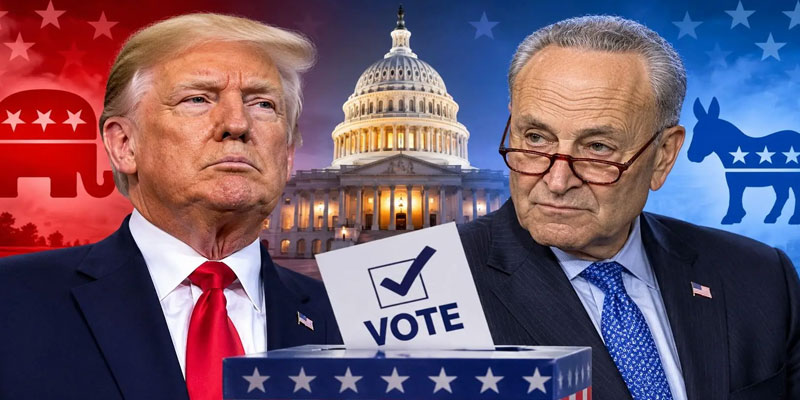
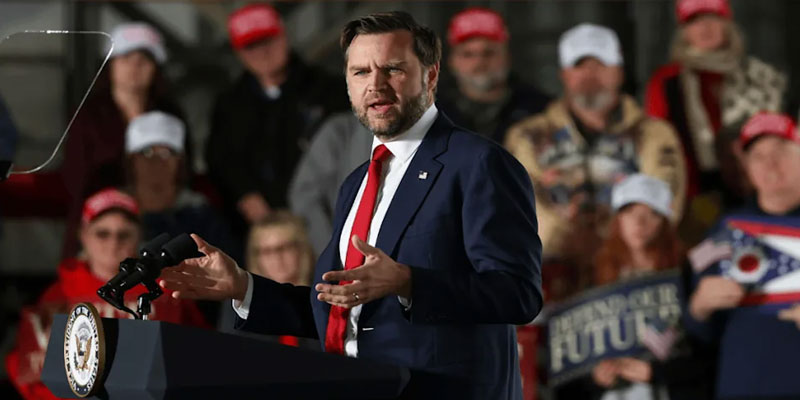
Democrats won control of both the House of Representatives and the Senate in the November 3, 2026 midterms, ending Republican control of Congress during the final two years of Donald Trump’s presidency. The result has triggered serious questions about the Republican administration's domestic and foreign policies, with Vice-President JD Vance attributing the defeat primarily to the unpopular war in Iran. In a striking post-election assessment, Vance argued that many voters who supported the Trump-Vance ticket in 2024 did not abstain this time but switched their allegiance to Democratic candidates.
A Major Setback for Trump
The Democratic victory represents a significant political reversal for Republicans, giving the Opposition control of both chambers of Congress and greater authority to investigate, challenge and constrain the Trump administration.
On November 4, Vance published an approximately 600-word statement on X, offering his assessment of why Republicans lost. Rejecting the argument that poor Republican turnout was responsible, he maintained that the party's problem was voter defection rather than abstention.
Four Reasons JD Vance Cited for Republican Defeat
Vance identified four interconnected grievances that, in his assessment, drove Republican supporters away from the party.
1. Iran War: The Biggest Political Liability
Vance placed the Iran war at the centre of the Republican defeat, declaring: "The reason we lost is the war." He argued that voters wanted the conflict brought to an end and were increasingly dissatisfied with the administration's foreign-policy priorities.
His assessment suggests that the military engagement undermined the administration's political standing, particularly among voters attracted to Trump's promise of avoiding prolonged foreign conflicts.
2. Cost of Living and Inflation
Rising prices and deteriorating affordability were another major source of voter frustration. Economic concerns weakened the Republicans' argument for continuity, as households continued to feel the pressure of everyday expenses.
3. Departure from the 'America First' Promise
Vance acknowledged that sections of the Republican support base believed the administration had failed to prioritise American interests sufficiently. The perception that foreign commitments were overshadowing domestic concerns created dissatisfaction among voters who had embraced Trump's nationalist economic and foreign-policy agenda.
4. Changing US-Israel Relationship
Vance also pointed to growing demands for a reassessment of Washington's relationship with Israel, which receives substantial annual American assistance. This reflected concerns among sections of the electorate about overseas commitments and the priorities guiding US foreign policy.
Trump's Response and Vance's Political Positioning
Trump broadly accepted Vance's assessment, acknowledging that the Iran war had largely contributed to the Republican setback. However, Vance's unusually direct criticism also carries political significance. His statement positions him as an advocate of economic populism and a more restrained foreign policy, potentially distinguishing his political approach ahead of the 2028 presidential race.
What The Defeat Means for Republicans
Vance's assessment raises three important challenges for the Republican Party:
· Reconsidering its military and foreign-policy commitments, particularly Iran.
· Addressing inflation and restoring household economic confidence.
· Rebuilding support among voters who believe the administration has drifted away from its America First commitments.
A Warning Republicans Cannot Afford to Ignore
Vance's central argument is that Republicans did not simply lose voters through political apathy; they lost their support through policy dissatisfaction. Although attributing the entire defeat to the Iran war risks overlooking broader concerns about governance, corruption and economic management, his assessment exposes a deeper vulnerability within the Republican coalition. The challenge now is whether Trump and his party recognise the need for a strategic correction. The 2026 midterms have demonstrated that electoral loyalty cannot be taken for granted, even by a politically dominant leadership. Unless Republicans address the disconnect between their campaign promises and governing priorities, the loss could become more than a temporary congressional setback, potentially reshaping the party's ideological direction and its prospects in the 2028 presidential election.
(With agency inputs)