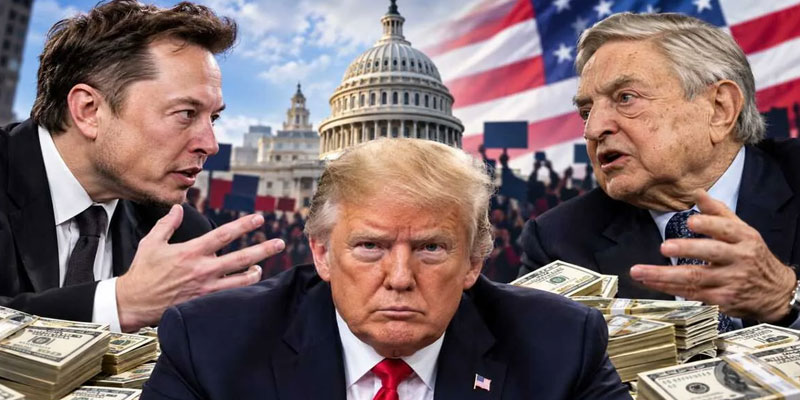
Who is funding the 2026 US midterms? Elon Musk leads the list of the 20 biggest donors, highlighting the extraordinary influence of America's wealthiest individuals over electoral politics. With approximately $2 billion contributed by just 20 megadonors, the midterm elections have become an unprecedented financial contest. Political advertising expenditure has crossed previous records, raising important questions about campaign financing, corporate influence and the relationship between money and democracy. Musk's contribution alone makes him the most influential private political financier of this election cycle.
Record-Breaking Spending: An Expensive Election
According to AdImpact data, political advertising expenditure has already crossed $11.6 billion, surpassing every previous election cycle, including the 2024 presidential election. OpenSecrets estimates that total midterm spending could approach $12 billion, making 2026 the most expensive midterm election in American history.
The approximately $2 billion contributed by the 20 biggest donors represents nearly 15% of anticipated political advertising expenditure.
Their financial support reaches several areas:
· Candidate campaigns and political action committees.
· Super PACs supporting Republican and Democratic candidates.
· Television advertising and digital campaigning.
· Issue-based advocacy groups and targeted voter outreach.
This concentration gives a relatively small group of wealthy individuals considerable capacity to influence political messaging and electoral priorities.
Elon Musk Emerges as America's Biggest Political Donor
His funding includes:
· $215 million: America PAC, the super PAC he founded.
· $168 million: Senate Leadership Fund, as of October 14.
His financial involvement is particularly significant as Republicans attempt to defend their Senate majority and prevent Democrats from gaining control of Congress.
Who Are the Other Biggest Political Financiers?
The donor landscape extends beyond technology billionaires. Wealthy business families and investors from finance, shipping and cryptocurrency are also providing substantial campaign funding.
Among the prominent contributors are:
· Elizabeth and Richard Uihlein: Uline founders, contributing approximately $150 million.
· Jeff and Janine Yass: Approximately $110 million in contributions.
Technology executives and cryptocurrency investors are also becoming increasingly influential, reflecting growing political battles over artificial intelligence, digital assets, taxation and regulatory policies.
Money, Political Influence and Democratic Accountability
The concentration of campaign funding raises concerns about whether public policy increasingly reflects wealthy donors' priorities rather than ordinary voters' interests. However, enormous financial contributions do not automatically guarantee electoral victories.
Democrats entered the election with favourable polling momentum, leading the congressional preference by approximately eight percentage points. Projections also indicated potential Democratic gains of 12–25 House seats.
Can Billionaire Money Override Voter Power?
The 2026 midterms represent a fundamental test of American democracy. Elon Musk's extraordinary financial involvement demonstrates how private wealth can shape electoral competition, political messaging and party infrastructure. Yet the ultimate decision remains with voters. The larger question is whether America's democratic institutions can maintain a meaningful balance between financial power and popular mandate. Record-breaking campaign expenditure may influence who gets heard, but it cannot guarantee who gets elected.
(With agency inputs)