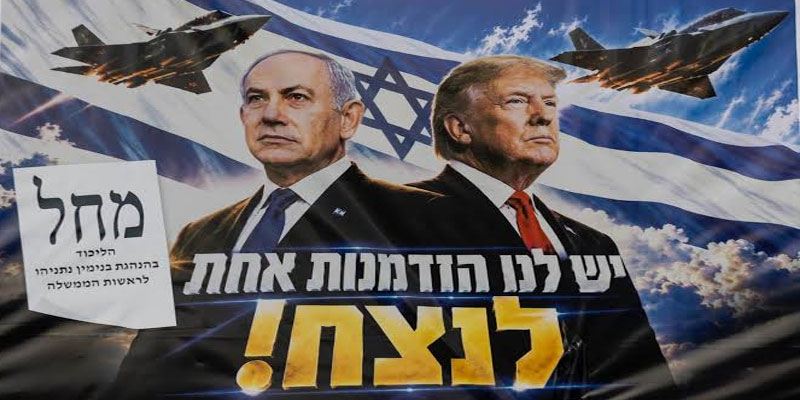
A Major Shift in US-Israel Defence Relations
Trump says the US will stop $4 billion in aid to Israel, announcing a potentially historic shift in Washington's financial relationship with its closest Middle Eastern ally. President Donald Trump made the declaration on US Election Day, saying the annual assistance would end by December 2026, although American arms sales to Israel would continue.
The announcement has raised questions about the future of bilateral defence cooperation, particularly because the existing US-Israel military assistance agreement remains valid until 2028.
America's Longstanding Military Support
The United States currently provides Israel with approximately $3.8 billion annually under a 10-year Memorandum of Understanding (MoU) negotiated in 2016 under former President Barack Obama.
The agreement, which runs until September 2028, provides:
· $3.3 billion annually in Foreign Military Financing.
· $500 million annually for joint missile-defence programmes.
This assistance has been central to Israel's military preparedness and America's strategic influence in the Middle East.
What Exactly Has Trump Announced?
In a telephone interview with Fox News, Trump said Washington would discontinue the financial assistance by the end of the year. He maintained that Israel had become sufficiently wealthy and successful to finance its own defence requirements. According to Trump, he and Israeli Prime Minister Benjamin Netanyahu had agreed to end the assistance months earlier.
However, Trump distinguished between financial aid and commercial military cooperation, making clear that the US would continue selling weapons and military equipment to Israel.
He also described the decision as a way of removing a political argument used by left-wing Democrats against Republicans over American military support for Israel. He specifically mentioned Michigan Democratic Senate nominee Abdul El-Sayed.
Election Timing Raises Questions Over Implementation
The timing of the announcement, coinciding with US midterm voting, immediately attracted political attention. Analysts questioned whether it was an electoral calculation rather than an immediate policy decision.
David Schenker, Trump's former top Middle East diplomat, suggested the announcement was unlikely to change many Republican or Democratic votes.
More importantly, Trump did not explain how the existing agreement would be terminated before its scheduled expiry. Possible questions include:
· Will Washington seek congressional approval?
· Will the existing MoU be renegotiated?
· Will military-aid disbursements simply be suspended?
· Will assistance be replaced entirely by commercial arms purchases?
Without clarification, the announcement remains short of an implemented policy change.
Israeli Leaders React: Netanyahu Faces Questions
Netanyahu's office did not immediately respond. However, the Israeli Prime Minister had previously expressed a desire to reduce American financial assistance to zero over the next decade.
Israeli opposition leader and former military chief Gadi Eisenkot sharply criticised Netanyahu, arguing that the country's security establishment and citizens had learned about a strategic shift through the media. He called Netanyahu's conduct “a real danger” and demanded a public explanation.
In Washington, Representative Marjorie Taylor Greene mocked the announcement's election-day timing.
A Historic Defence Relationship at a Crossroads
Trump's declaration could mark a transition from grant-based military assistance towards a commercial arms-sales relationship. However, the existing agreement, congressional involvement and Israel's defence requirements make implementation complicated. The larger question is whether Washington is fundamentally redefining its relationship with Israel or using financial assistance as political leverage. Until both governments clarify the arrangement, the announcement signals a potentially historic change, but not yet a confirmed transformation of American defence policy.
(With agency inputs)