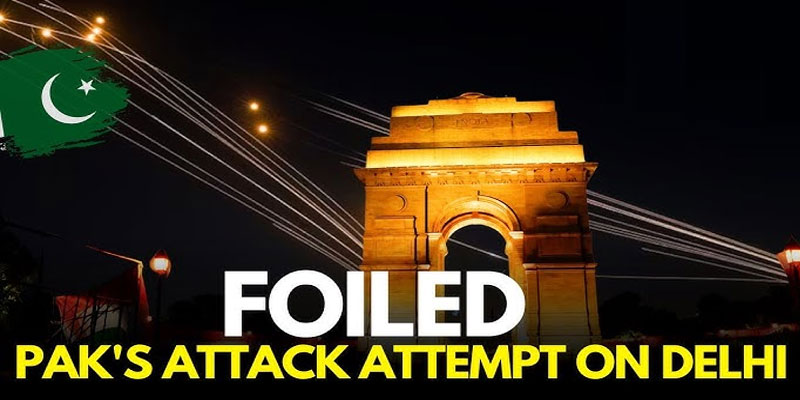
A sharp escalation in rhetoric has put Kolkata at the center of India–Pakistan tensions after Khawaja Asif warned that a future conflict could “reach Kolkata.” The remark triggered a fierce political response within India, most notably from Abhishek Banerjee, turning a geopolitical statement into a domestic flashpoint ahead of key elections.
What Did Khawaja Asif Actually Threaten?
Speaking in Sialkot, Asif suggested that any future confrontation with India would not remain confined to border areas. He warned that if India carried out what Pakistan claims could be a “false flag operation,” Islamabad would retaliate by taking the conflict deep into Indian territory—explicitly naming Kolkata.
This is significant. Kolkata lies far from traditional conflict zones like Kashmir, making its mention a symbolic escalation. By invoking a major metropolitan city, Asif signaled a shift toward the idea of deeper, more expansive retaliation, rather than localized skirmishes along the Line of Control. His remarks also echoed Pakistan’s long-standing narrative accusing India of staging attacks to justify military responses.
Abhishek Banerjee’s Sharp Political Counter
The response from Abhishek Banerjee was swift and equally aggressive. Addressing a rally in Siliguri, he criticized the central government led by Narendra Modi for what he described as silence in the face of Pakistan’s threat.
Banerjee escalated the rhetoric further by issuing a counter-warning, stating that under a future government led by his party and allies, India would retaliate by targeting those responsible. His remarks served a dual purpose: projecting strong nationalism while also positioning his party, the Trinamool Congress, as a defender of Bengal’s pride and security.
However, such language also raises concerns. By mirroring aggressive rhetoric, domestic political discourse risks normalizing extreme positions, blurring the line between political messaging and calls for violence.
India’s Official Stand: Deterrence Over Dialogue
This aligns with India’s evolving military doctrine of rapid retaliation, seen in past operations following terror attacks. The message is clear: escalation will be met with overwhelming force, reinforcing India’s commitment to deterrence rather than restraint.
Strategic Implications of the Escalation
From a military standpoint, Asif’s statement does not introduce new capabilities—both nations already possess the means to strike deep into each other’s territory. However, the symbolic targeting of a city like Kolkata heightens emotional and political stakes.
Domestically, the issue has become a political tool in West Bengal, with parties leveraging it to shape narratives around security and leadership. Internationally, it reflects a growing rhetorical arms race, where both sides use strong language to signal resolve.
The real danger lies in miscalculation. Public threats can harden positions, making it politically difficult for either side to de-escalate during a crisis without appearing weak.
Words That Carry Dangerous Weight
The Kolkata remark and the reactions it triggered highlight how rhetoric can amplify already fragile tensions. While no immediate conflict may be imminent, the normalization of city-specific threats and retaliatory language raises the stakes significantly. In a region where both nations possess immense military capabilities, careful diplomacy—not escalating words—will be crucial to preventing a dangerous spiral.
(With agency inputs)