A Timely Arrival in Troubled Waters
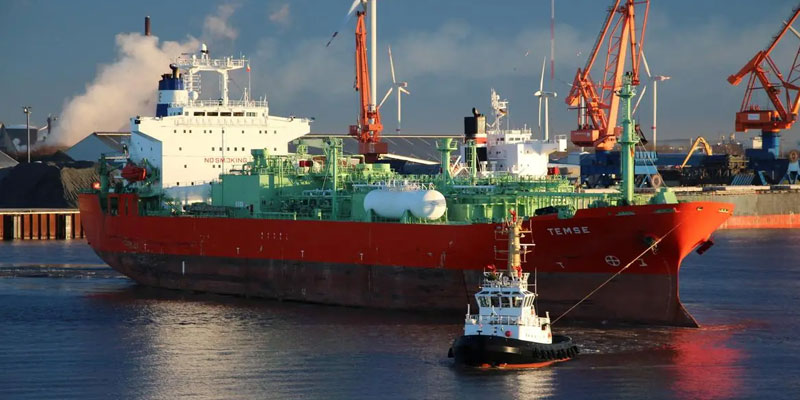
Another crucial shipment has reached Indian shores as the LPG tanker Nanda Devi, carrying nearly 47,000 metric tonnes of liquefied petroleum gas, docked at Vadinar Port on Tuesday. Its arrival follows closely on the heels of Shivalik, which had earlier braved the conflict-hit Strait of Hormuz to reach Mundra Port. Together, these shipments offer temporary relief to a strained domestic supply chain, highlighting both the fragility and resilience of India’s energy logistics amid escalating geopolitical tensions.
Understanding the LPG Crunch
India’s dependence on imports for over half its LPG consumption has once again exposed its vulnerability to global disruptions. The ongoing tensions around the Strait of Hormuz—a critical artery for global energy trade—have significantly impacted shipping routes, insurance costs, and vessel availability. This has tightened supplies at a time when seasonal demand peaks and price volatility intensifies.
The situation has been particularly severe in states like West Bengal, Tamil Nadu, and Karnataka, where supply bottlenecks triggered public frustration. Despite expanded access under welfare schemes, the gap between availability and affordability has resurfaced as a major concern.
India–Iran Diplomacy: Quiet Coordination in Crisis
At the heart of this operation lies a delicate but effective diplomatic balancing act. Coordination between India and Iran—particularly naval cooperation—played a pivotal role in ensuring safe passage for these tankers through volatile waters.
This underscores a pragmatic dimension of India’s foreign policy: maintaining functional ties across geopolitical divides to safeguard national interests. While global alignments remain complex, India’s ability to engage constructively with Iran, even amid broader international tensions, has proven critical in securing energy lifelines.
Opposition’s Critique: Reactive, Not Resilient
Opposition parties have sharply criticized the government, calling its response “reactive” rather than strategic. They argue that India lacks a robust energy security framework, pointing to the absence of a dedicated LPG reserve comparable to crude oil stockpiles.
Concerns have also been raised over inadequate infrastructure—such as bottling plants and pipeline networks—and the continued reliance on imports without sufficient diversification. Additionally, rising global prices have made LPG refills increasingly unaffordable for lower-income households, diluting the benefits of subsidy schemes. For critics, the arrivals of Shivalik and Nanda Devi are seen less as triumphs and more as last-minute crisis management.
Government’s Defence: Agility Under Pressure
The Centre has defended its actions by highlighting the complexity of operating in a conflict zone. Officials emphasize that the successful navigation of tankers through high-risk waters reflects strong coordination between ministries, shipping agencies, and naval forces.
The government also points to broader indicators of stability: Indian vessels continue to operate in the Persian Gulf, and additional shipments—including crude carriers—are proceeding safely. These developments, it argues, demonstrate not just crisis response but operational confidence. Long-term measures such as expanding storage capacity, strengthening pipeline infrastructure, and promoting alternatives like biofuels and piped gas are also part of the official narrative.
A Test of Strategy and Stability
The arrival of Nanda Devi and Shivalik offers immediate relief, but it also serves as a stark reminder of India’s energy vulnerabilities. While diplomatic agility and logistical coordination have averted a deeper crisis, the episode raises critical questions about long-term preparedness.
Balancing short-term responsiveness with structural resilience will be key. As global uncertainties persist, India’s ability to secure stable, diversified, and affordable energy supplies will define not just its economic trajectory, but also the everyday lives of millions who depend on LPG as a basic necessity.
(With agency inputs)