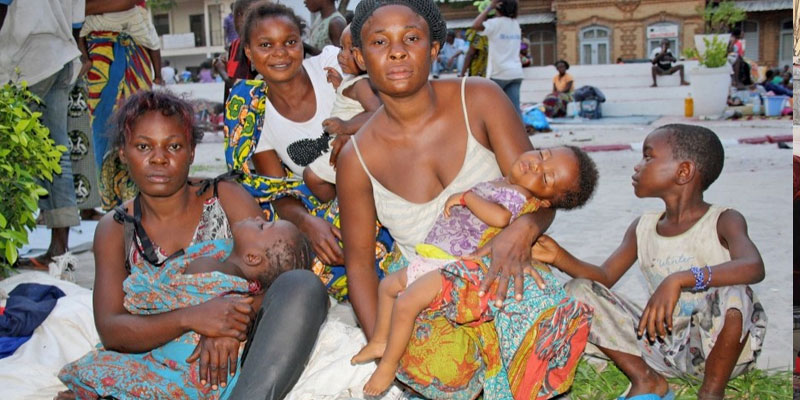
A Stark Global Reminder
Around 4.9 million children under the age of five died in 2024, according to estimates by the United Nations—a sobering figure that highlights how preventable child deaths remain a persistent global crisis. Despite decades of progress, the latest joint report by UNICEF, World Health Organization, and the World Bank shows that millions of young lives are still being lost to causes that are largely avoidable.
Where and Why Children Are Dying
The data reveal that newborns are the most vulnerable. Nearly half of all under-five deaths occur within the first month of life, often due to complications from premature birth, unsafe delivery conditions, or infections. This points to gaps in maternal healthcare and neonatal support, especially in resource-poor settings.
Beyond infancy, infectious diseases continue to dominate. Illnesses such as malaria, pneumonia, and diarrhea remain leading causes of death, particularly in low-income countries where access to vaccines, clean water, and basic treatment is limited. The report also highlights a worrying trend: severe acute malnutrition is now directly linked to over 100,000 child deaths, underscoring the deepening connection between hunger and mortality.
The Hardest-Hit Regions
Geographically, the burden of child mortality is heavily concentrated. Sub-Saharan Africa accounts for nearly 58% of all under-five deaths, making it the most affected region globally. Countries such as Nigeria and Democratic Republic of the Congo consistently rank among those with the highest child mortality rates due to weak healthcare systems and ongoing instability.
Southern Asia contributes another significant share, with nations like India and Pakistan facing challenges tied to population scale, nutrition gaps, and uneven healthcare access. Importantly, children in conflict-affected or fragile states are nearly three times more likely to die before their fifth birthday, highlighting the deadly intersection of poverty, instability, and weak governance.
Slowing Progress and Shrinking Funds
While global child mortality has declined over the past two decades, progress has slowed markedly since 2015. A key reason is declining international support. Major donors, including the United States, United Kingdom, and Germany, have begun scaling back health aid.
A separate analysis indicates that global health assistance dropped by nearly 27% in 2025 compared to the previous year. This reduction threatens to reverse gains, especially in countries that rely heavily on external funding to sustain immunisation programs, maternal care, and disease prevention efforts.
What Needs to Change
The UN agencies emphasize that solutions are neither unknown nor unattainable. Strengthening primary healthcare systems, expanding vaccination coverage, and improving maternal and neonatal services can significantly reduce deaths. Community-level interventions—such as nutrition programs and early disease detection—are equally critical.
However, these solutions require sustained political commitment and predictable funding. Without consistent investment, even proven, low-cost interventions cannot reach the children who need them most.
A Crisis of Will, Not Knowledge
The tragedy of 4.9 million child deaths lies not just in the numbers, but in their preventability. The world possesses the tools, knowledge, and resources to save these lives. What is increasingly lacking is the urgency and commitment to act.
If funding continues to decline and attention shifts elsewhere, the progress of past decades could unravel. The fight against child mortality is no longer just a health challenge—it is a test of global priorities.
(With agency inputs)