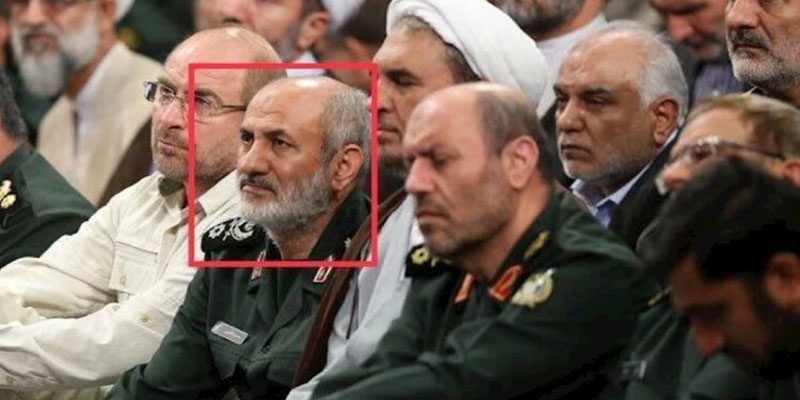
Israel has said it killed Iran’s Intelligence Minister, Esmail Khatib, in an overnight strike, marking what it calls the third high-profile assassination of an Iranian leader within 48 hours. Israeli Defence Minister Israel Katz announced that Khatib had been “eliminated,” adding that Prime Minister Benjamin Netanyahu has granted the military sweeping authority to target other senior Iranian officials without additional approvals.
Tehran has not confirmed the claim so far.
The reported strike follows Israel’s earlier announcements of killing senior figures including Ali Larijani and Gholamreza Soleimani. Together, these incidents point to a coordinated campaign aimed at dismantling Iran’s top security and ideological leadership. Israeli officials have framed the operations as precise and intelligence-led, though the pace and scale of targeting mark a sharp escalation.
If confirmed, Khatib’s killing would represent a significant blow to Iran’s intelligence apparatus, which oversees espionage, counter-intelligence, and covert operations. The rapid succession of strikes—targeting figures tied to policymaking, internal security, and mass mobilisation—signals a shift toward treating Iran’s leadership core as direct military targets.
The development raises the risk of a wider conflict. Netanyahu’s reported “free hand” directive suggests an open-ended strategy that could trigger retaliation from Iran. Analysts warn that Tehran may respond through missile or drone strikes, proxy groups, or covert actions abroad.
With tensions already high, the situation remains volatile, and the coming days could determine whether this marks a turning point toward broader regional confrontation.
(With agency inputs)