War Anxiety Sparks LPG Panic
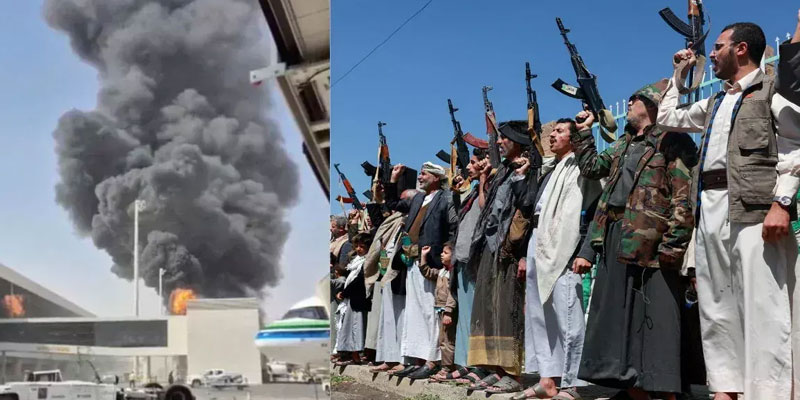
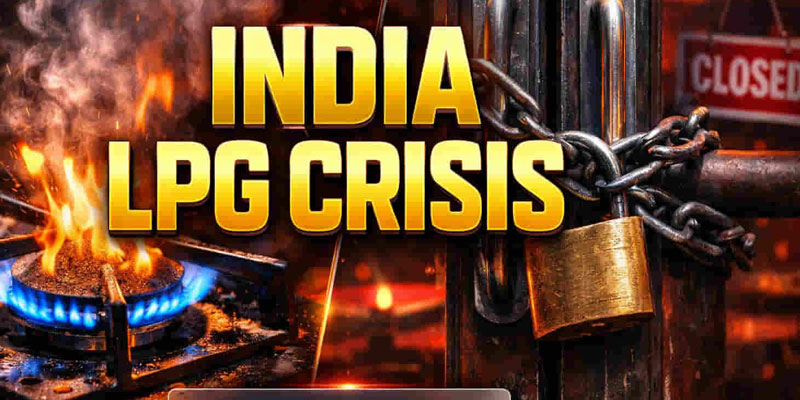
With the Iran war escalating, complaints about an LPG shortage have begun surfacing in several parts of the country. The government, however, maintains that India is not facing an actual energy deficit, even though it has introduced certain precautionary steps to manage supplies. The concerns largely arise from disruptions in global fuel transportation, as rising military tensions in West Asia have slowed movement through the Strait of Hormuz—one of the most vital shipping routes for liquefied petroleum gas (LPG) worldwide.
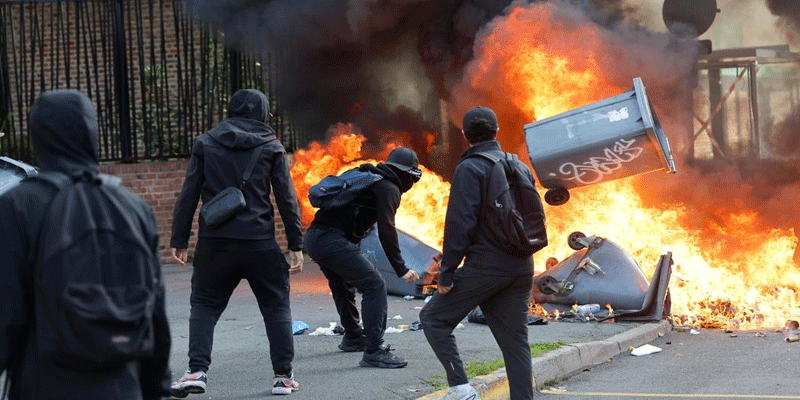
India relies significantly on imports to meet its LPG demand, sourcing nearly two-thirds of its total requirement from overseas markets. Roughly 80% of these imports typically travel through the Strait of Hormuz from major Gulf suppliers such as Qatar and Saudi Arabia. As a result, any disturbance along this narrow maritime passage quickly impacts supply expectations at home. Reports of delayed shipments and increasing global LPG prices have further fueled public concern, prompting panic purchases in some areas and even leading to instances of black-market trading and higher cylinder prices.
Domestic vs Commercial LPG: Uneven Impact
Despite the panic, officials maintain that India is not facing a nationwide shortage of domestic cooking gas. Oil marketing companies say existing inventories and strategic reserves are sufficient to meet household demand for several weeks.
However, the pressure is clearly visible in the commercial segment. To protect household kitchens, authorities and oil companies have curtailed commercial LPG supplies in several regions. This prioritisation has shifted the burden onto restaurants, eateries, and hospitality businesses that rely heavily on large commercial cylinders for daily operations.
The hospitality sector in cities like Bengaluru has already responded dramatically. Hotel associations there announced temporary closures from March 10 after commercial LPG dispatches were suddenly halted. Similar warnings have emerged from parts of Maharashtra and Karnataka, highlighting how policy decisions aimed at protecting domestic consumers are translating into operational crises for businesses.
Maharashtra Hotels Face Severe Disruptions
The crisis is particularly visible in Maharashtra’s hospitality industry. In Mumbai alone, about 20% of hotels had shut down operations by March 10 after exhausting their commercial LPG reserves. Industry associations warn that another 50% could close within days if supplies are not restored.
Groups representing the sector say the situation has escalated rapidly. Initially affecting 10–20% of establishments, the disruption could soon impact nearly the entire industry as cylinder deliveries have been largely halted since March 8. Most eateries keep only a few days’ supply of LPG, leaving them extremely vulnerable to sudden distribution stoppages.
The economic impact is mounting quickly. Commercial cylinders officially priced around ₹1,750 are reportedly being resold for as high as ₹1,950 in informal markets. Restaurants across Mumbai, Pune, and nearby cities are struggling to keep kitchens running, threatening daily revenue for thousands of establishments. Smaller eateries and roadside stalls are hit hardest because they lack alternatives such as piped natural gas.
Government Relief Measures and Supply Strategy
The central government’s response combines demand control with supply adjustments. One immediate step has been increasing the waiting period for domestic LPG refills from 21 days to 25 days to discourage panic booking and hoarding. Officials argue that an average household typically does not require a refill in less than six weeks, suggesting that the surge in bookings reflects fear rather than actual consumption.
On the production side, refineries have been directed to maximise LPG output by diverting all available propane and butane exclusively toward LPG manufacturing instead of petrochemical use. Supplies are being routed through state-run oil companies to prioritise essential services such as hospitals and schools.
To address industry concerns, a committee of senior executives from oil marketing companies has been formed to review requests from sectors like restaurants, hotels, and automobile industries. The panel is tasked with evaluating supply requirements and allocating limited stocks where possible.
Simultaneously, India is accelerating supply diversification. The country has begun expanding long-term contracts with non-Gulf suppliers, including a one-year deal for 2.2 million tonnes of LPG from the US Gulf Coast starting in 2026, while also exploring imports from Canada, Algeria, Australia, and Norway.
A Logistics Crunch, Not Yet a Supply Collapse
For now, India’s LPG situation reflects a logistics squeeze rather than a full-blown national shortage. The government’s strategy is clear: protect household consumption even if commercial sectors experience temporary disruption. Yet the shutdown threats in Maharashtra and Karnataka reveal how quickly international geopolitical shocks can ripple through local economies.
If disruptions in the Strait of Hormuz persist, the challenge will intensify. Authorities may face difficult choices—ranging from deeper rationing to higher prices—to balance domestic energy security with commercial stability. For the moment, India’s LPG system is holding, but the strain in restaurant kitchens is an early warning of how fragile global energy supply chains can be.
(With agency inputs)