State Steps Up Efforts as Lakhs of Odias Face Crisis in Gulf
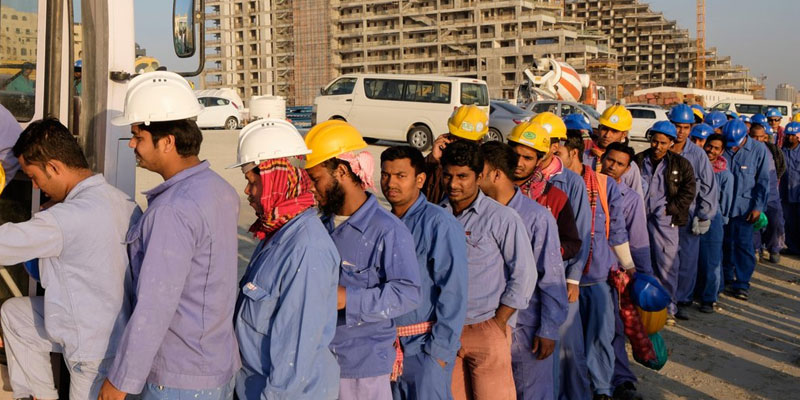
Amid escalating tensions in West Asia and disruptions to international travel, the Odisha government has intensified efforts to bring back thousands of its residents working in Gulf countries. Lakhs of Odia migrant workers—many employed in construction and service sectors—are currently spread across cities such as Dubai and Abu Dhabi in the United Arab Emirates, as well as Bahrain, Qatar and Kuwait.
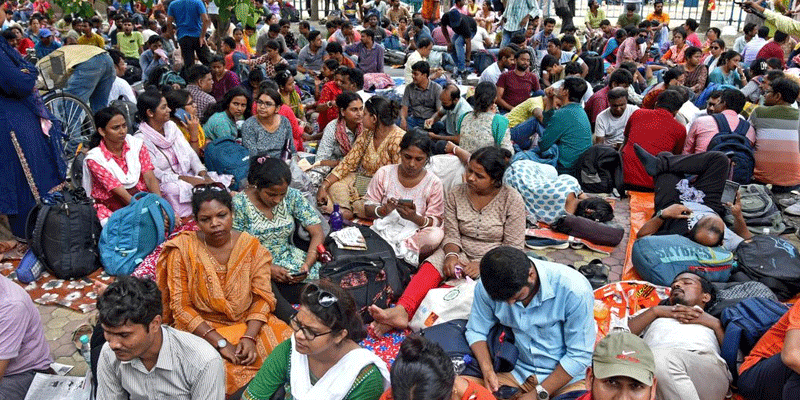
As flight schedules remain uncertain and regional instability grows, the state government has begun coordinating with the Centre to ensure the safe return of its citizens. Families in migration-heavy districts such as Ganjam, Kendrapara and Balasore have reported distress calls from relatives stranded in the Gulf, prompting urgent administrative action.
Coordinated Response by the State Government
Chief Minister Mohan Charan Majhi has directed the state administration to implement a coordinated evacuation and assistance plan. Acting on these instructions, Chief Secretary Anu Garg set up a high-level committee to oversee relief efforts and monitor the situation closely.
The panel brings together departments including Home, Labour and the Odisha Parivar Directorate, along with officials from the Protector of Emigrants. The state has also activated 24-hour helplines to register requests from stranded workers and their families. According to officials, hundreds of distress calls have already been logged, indicating the scale of anxiety among migrants.
Close coordination is also underway with the Ministry of External Affairs and Indian embassies in the region to track Odia nationals and arrange safe travel corridors whenever flights resume.
The Scale of Odisha’s Gulf Migration
Migration to the Gulf has long been a lifeline for many families in coastal Odisha. Estimates suggest that more than three lakh Odia workers are currently employed across West Asian countries, sending home substantial remittances each year.
These remittances play a vital role in supporting rural economies, funding household expenses, education and small businesses. Districts such as Ganjam have historically been among India’s largest sources of overseas labour migration.
However, the ongoing crisis has exposed the vulnerability of this workforce. Construction activity has slowed in some areas, leaving workers temporarily unemployed and struggling with rising living costs. Students and professionals in the region have also expressed concerns over safety and uncertainty about travel options.
Strategic Measures for Evacuation and Reintegration
The Odisha government is mapping the location of Odia migrants through diaspora networks and community organizations. This data will help authorities prioritize evacuations once travel restrictions ease.
Plans are also being drawn up for chartered flights in coordination with central agencies and airlines. Once migrants return home, the state government intends to provide financial support and skill development opportunities to help them reintegrate into the local economy.
Labour Minister Ganesh Ram Singkhuntia has indicated that welfare schemes and temporary assistance packages are being prepared for workers who may lose jobs abroad due to the crisis.
Challenges on the Ground
Despite these efforts, several logistical hurdles remain. Flight disruptions, verification of migrant identities, and the rising cost of emergency tickets have complicated evacuation plans. Reports of ticket prices soaring in informal markets have further added to the difficulties faced by stranded workers.
Additionally, prolonged disruption of overseas employment could impact remittance flows, affecting many households that depend heavily on income from abroad.
Protecting Migrants in a Time of Crisis
Odisha’s efforts to bring back its Gulf-based workforce highlight the growing importance of migrant welfare in state policy. With thousands of families relying on overseas employment, ensuring the safety and return of these workers has become a critical priority.
While logistical challenges persist, the coordinated response between the state government and the Centre signals a strong commitment to protecting citizens abroad. In times of global uncertainty, such initiatives underscore the need for robust support systems for migrant workers who contribute significantly to both regional economies and household livelihoods.
(With agency inputs)