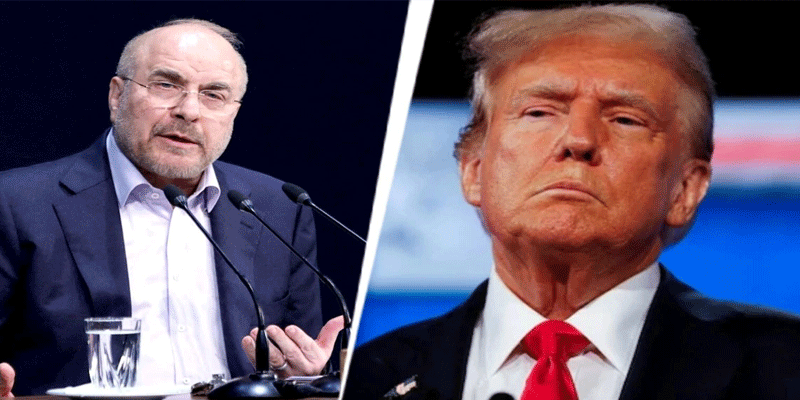
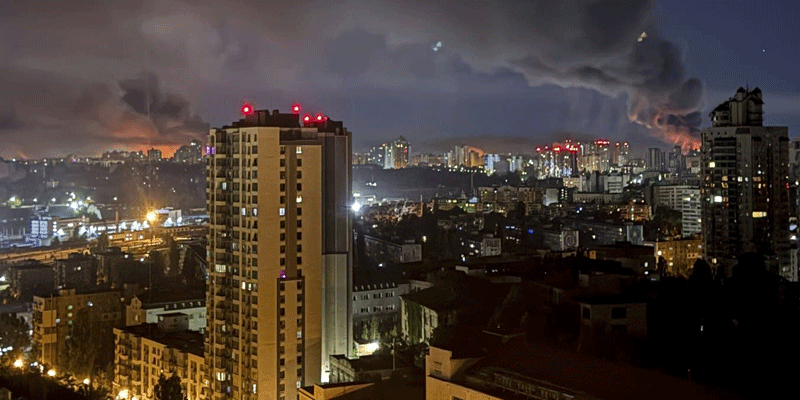
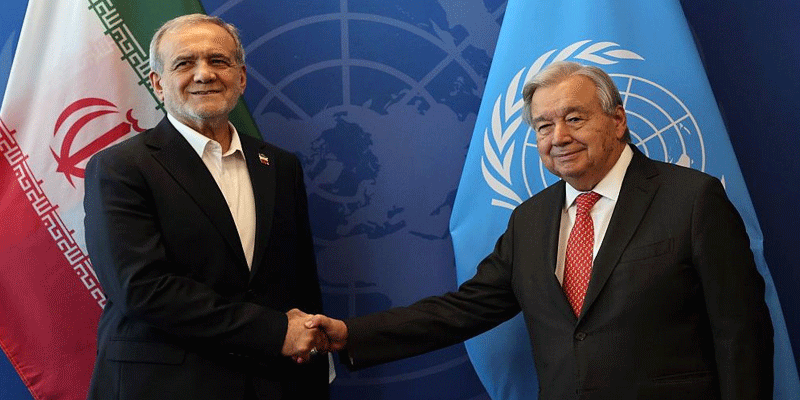
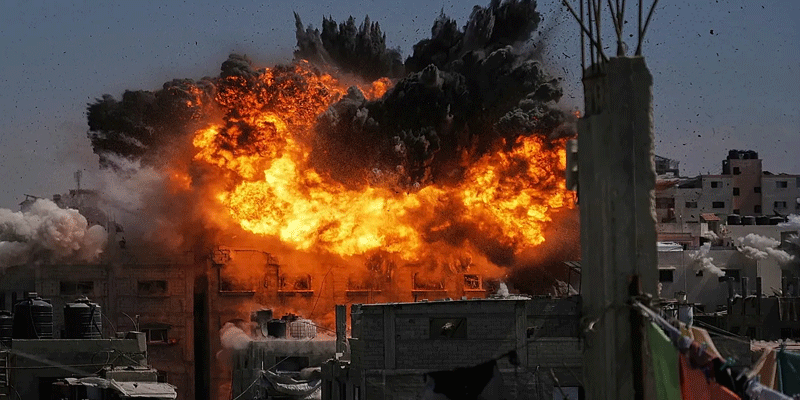
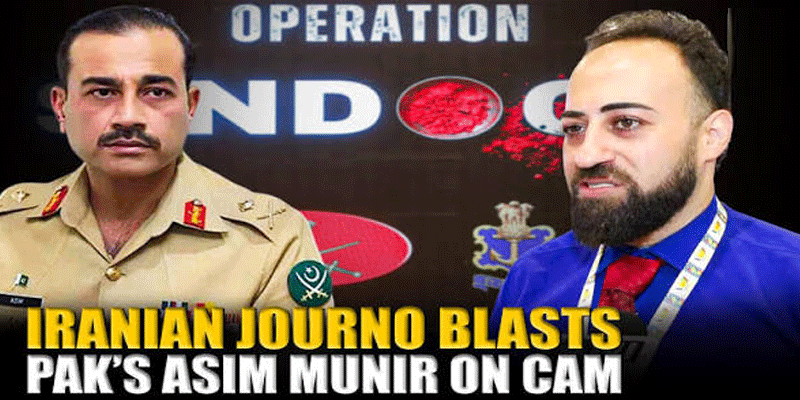
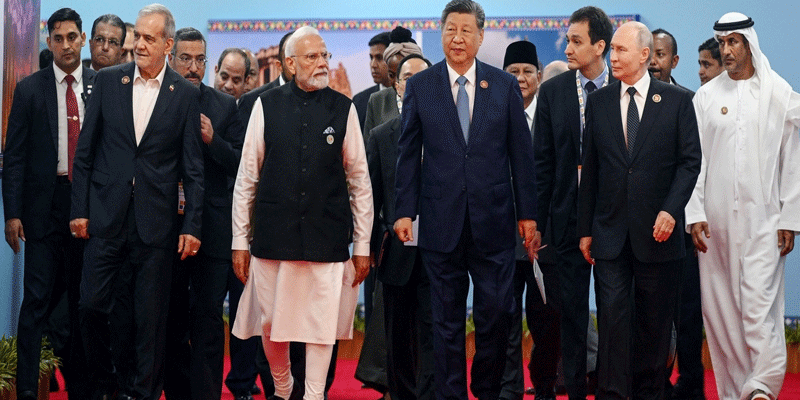
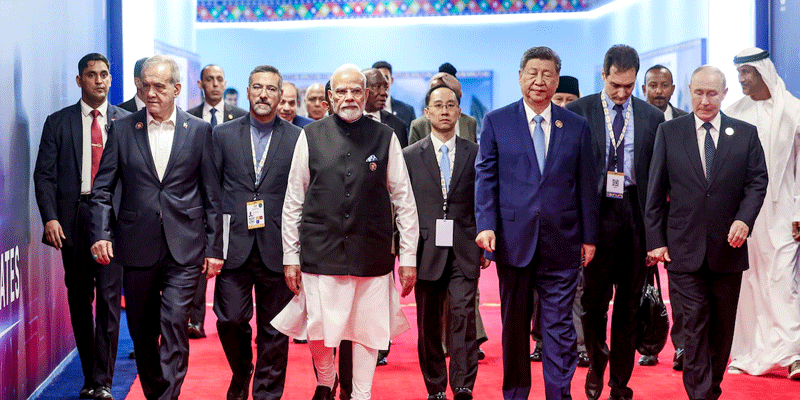
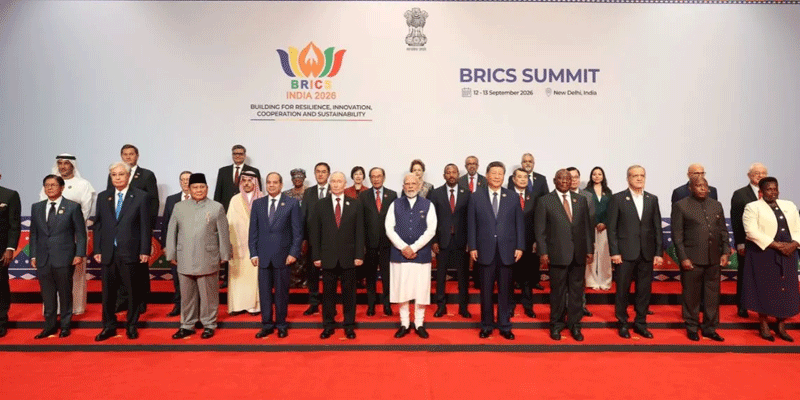
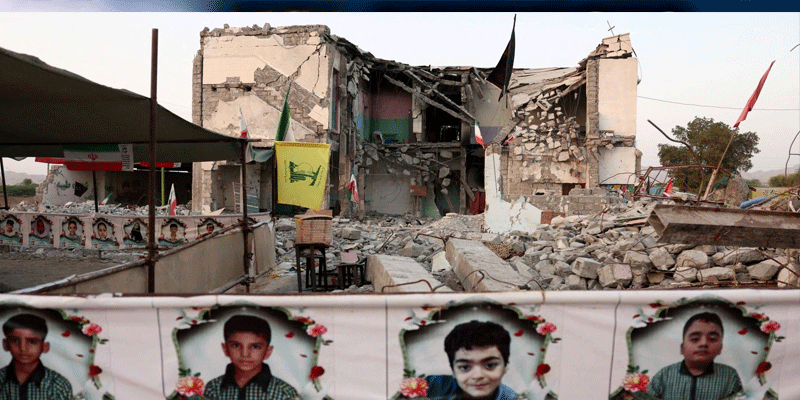
As geopolitical tensions deepen across West Asia, the upcoming BRICS Foreign Ministers’ Meeting in New Delhi has acquired extraordinary significance. Against the backdrop of the ongoing Iran-US-Israel confrontation and mounting fears over global energy disruptions, Iran has confirmed that Foreign Minister Seyed Abbas Araghchi will visit India for high-level engagements on May 14-15. The visit marks Tehran’s first major diplomatic outreach to India since the conflict erupted earlier this year and underscores the growing urgency surrounding regional stability, oil supply security, and multilateral cooperation.
Hosted under India’s BRICS chairmanship, the summit comes at a time when the world economy is increasingly vulnerable to war-driven volatility. While the formal agenda includes resilience-building and global governance reforms, discussions are expected to be dominated by the West Asia crisis and its far-reaching implications for energy-importing nations such as India.
Regional Stability and the Push for Conflict Resolution
The foremost issue before BRICS leaders is the deteriorating security environment in West Asia. India, which maintains strategic ties across competing regional blocs, is expected to push strongly for de-escalation and diplomatic dialogue. New Delhi’s position reflects both geopolitical caution and economic necessity.
External Affairs Minister S. Jaishankar and Araghchi have reportedly remained in close contact since the outbreak of hostilities, with multiple conversations laying the foundation for deeper strategic consultations during this visit. The urgency has intensified after Donald Trump reportedly warned that the fragile ceasefire remains “on life support,” while crude oil prices have surged beyond $105 per barrel.
For India, prolonged instability in the Gulf threatens inflation, trade balances, and long-term economic growth. As one of the world’s largest energy importers, India’s call for peace is rooted not only in diplomacy but also in economic survival.
Energy Security and Global Supply Chain Concerns
Energy security is expected to dominate bilateral and multilateral discussions during the summit. The Strait of Hormuz — a critical global oil transit route — remains vulnerable amid rising military tensions, creating uncertainty for shipping and energy markets worldwide.
India has responded by diversifying crude imports from over 40 countries and increasing purchases from Russia to record levels. Simultaneously, New Delhi has cautiously reopened channels with Tehran after years of reduced oil engagement. However, sustained oil prices above $100 could reportedly raise India’s annual import bill by nearly $70 billion, placing pressure on domestic inflation and GDP growth.
Araghchi’s visit therefore carries significance beyond diplomacy. It reflects India’s attempt to secure reliable energy partnerships while maintaining strategic neutrality in an increasingly polarized geopolitical landscape.
BRICS Diplomacy and India’s Strategic Balancing Act
The New Delhi meeting also serves as a precursor to the 18th BRICS Summit scheduled for September. Leaders and ministers are expected to deliberate on economic resilience, multilateral reform, and cooperation among emerging powers.
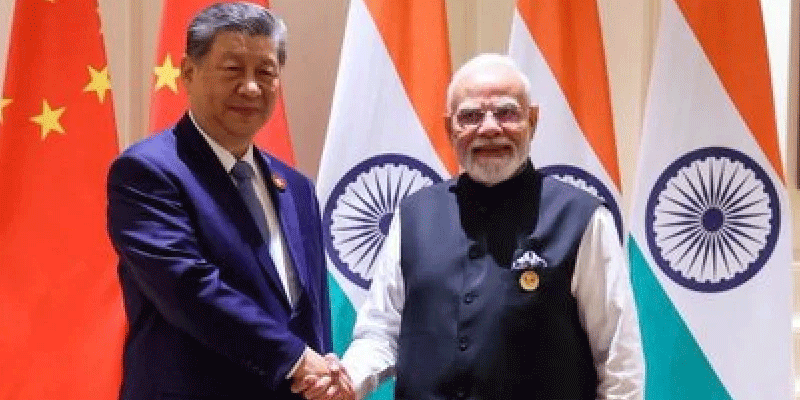
Prime Minister Narendra Modi is expected to engage with participating ministers, while Jaishankar chairs discussions on global and regional developments. Meanwhile, the absence of Chinese Foreign Minister Wang Yi due to high-level engagements in Beijing adds another layer of geopolitical complexity to the summit.
Diplomacy, Energy, and the New Geopolitical Balancing Order
Araghchi’s India visit symbolizes far more than routine diplomatic engagement. It represents a critical moment in which BRICS nations must confront the interconnected challenges of war, energy insecurity, and shifting global alliances. For India, the summit is a delicate exercise in strategic balance — preserving ties with Iran, maintaining partnerships across West Asia, and protecting the energy interests of 1.4 billion citizens. As global tensions rise, New Delhi’s diplomatic approach may well shape the broader international response to one of the most consequential crises of the decade.
(With agency inputs)