A Tense Calm at Hormuz and Diplomatic Overtures in Islamabad
As Iranian military units ease their posture around the Strait of Hormuz, one of the world’s most critical maritime chokepoints, a fragile calm has begun to settle over the region. The repositioning of naval assets and the cautious reopening of shipping lanes signal a temporary de-escalation after weeks of heightened confrontation. Simultaneously, diplomatic momentum is shifting to Islamabad, where delegations from Washington and Tehran are set to convene on April 10. These parallel developments—military restraint at sea and renewed dialogue on land—frame a critical juncture in the conflict, raising a pressing question: what comes next?
A Tactical Pause, not a Lasting Peace
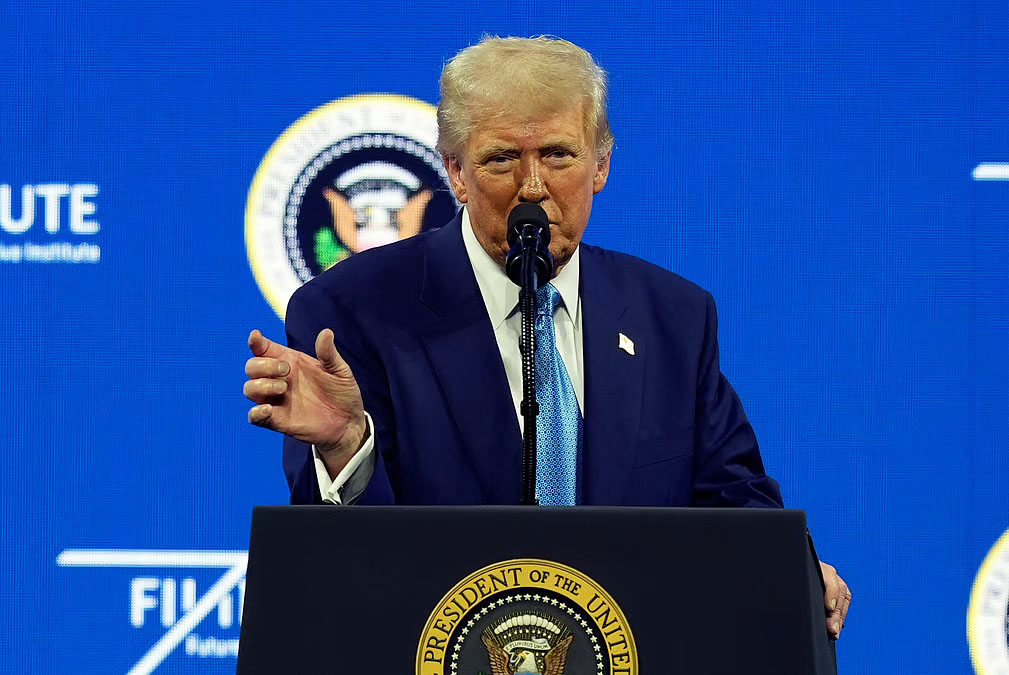
The 14-day ceasefire announced by US President Donald Trump represents a calculated pause rather than a conclusive resolution. Conditioned on Iran ensuring full maritime access through the Strait of Hormuz and the US suspending its bombing campaign, the agreement is deliberately narrow in scope. Trump’s characterization of the truce as a “double-sided” halt underscores its transactional nature—each side offering limited concessions without altering core strategic positions.
Iran’s acceptance of the ceasefire, however, comes with significant caveats. Its proposed 10-point plan introduces demands that extend beyond immediate de-escalation, including sanctions relief, compensation for damages, and a gradual reduction of US military presence in the region. For Washington, these proposals serve as a starting point for negotiation rather than binding commitments, highlighting the persistence of deep structural disagreements.
Domestic Messaging and Regional Fault Lines
Inside Iran, the ceasefire reflects a careful balancing act between diplomacy and deterrence. While the Supreme Leader has endorsed the pause, official rhetoric emphasizes that it does not signify the end of hostilities. This dual messaging allows Tehran to maintain its posture of resistance while keeping diplomatic channels open.
Regionally, the situation remains fragmented. Israel’s endorsement of the ceasefire—paired with its insistence on continuing operations against Hezbollah—illustrates the compartmentalization of conflicts in the Middle East. This selective alignment reduces the risk of immediate escalation between the US and Iran but preserves multiple flashpoints that could destabilize the truce.
Economic Ripples Through Global Markets
The partial reopening of the Strait of Hormuz carries immediate implications for global energy markets. As a vital artery for oil shipments, any disruption in the strait has far-reaching consequences. The ceasefire has offered a degree of relief to markets, easing fears of prolonged supply shocks and reducing insurance and freight costs.
However, optimism remains tempered. Iran’s concept of “controlled navigation,” potentially involving monitoring mechanisms or economic conditions such as tolling, raises questions about the sustainability of normal shipping operations. The current relief may therefore prove temporary if underlying uncertainties persist.
Islamabad Talks: A Crucial Inflection Point
The upcoming negotiations in Islamabad are poised to test whether this ceasefire can evolve into a broader framework for stability. The structure of the agreement—short-term calm in exchange for long-term dialogue—reflects a shift toward managed confrontation rather than outright resolution. Both sides appear intent on using the pause to reassess strategies, gauge domestic reactions, and probe each other’s limits.
Between De-escalation and Recurrence
The US–Iran ceasefire marks a moment of cautious restraint, but not reconciliation. While it reduces immediate risks and opens diplomatic pathways, it leaves the fundamental rivalry intact. The coming days, particularly the Islamabad talks, will determine whether this pause can transition into a more durable arrangement or simply reset the stage for future confrontation. In essence, the region stands not at the end of conflict, but at the beginning of its next phase—one that will be shaped as much by negotiation as by the ever-present shadow of escalation.
(With agency inputs)