Ceasefire, Sanctions, Hormuz: What the Deal Contains
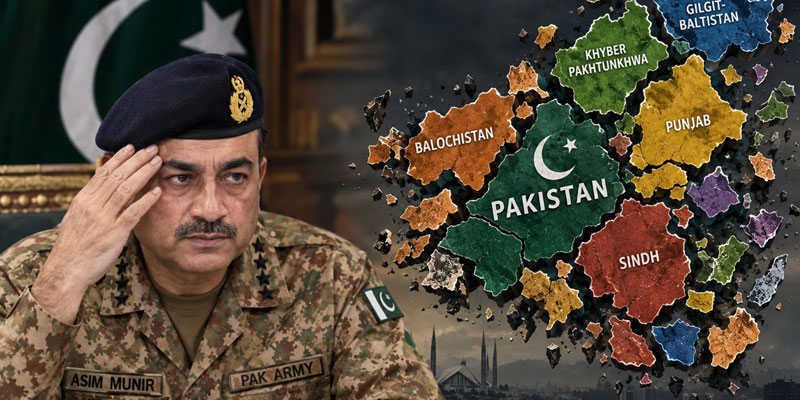
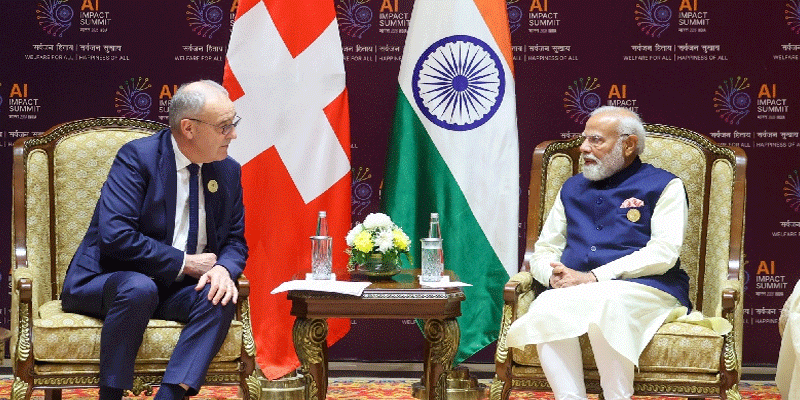
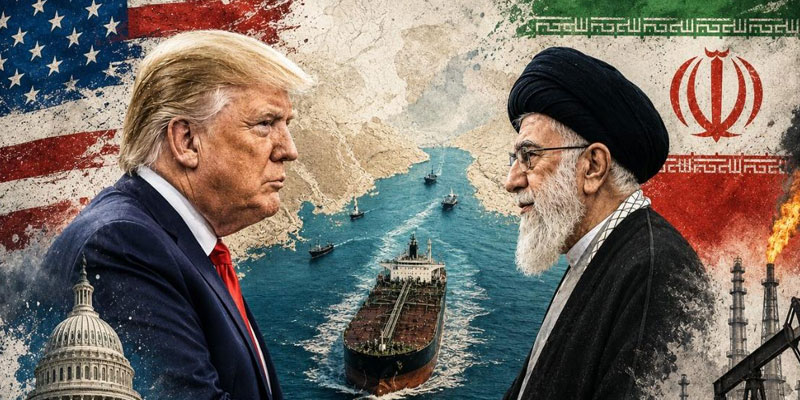
The United States and Iran have reached a preliminary agreement aimed at ending the 2025–2026 Middle East conflict. The formal signing of a 14-page memorandum of understanding (MOU) is scheduled for Friday in Switzerland. Brokered with Pakistan's involvement and supported by regional mediators, the framework proposes an immediate and permanent ceasefire across all fronts, including Lebanon, while reopening the strategically vital Strait of Hormuz. President Donald Trump confirmed that the agreement includes restoring maritime passage through the chokepoint that carries nearly one-fifth of global oil trade.
Background to the Conflict
The agreement follows more than three months of escalating confrontation involving U.S. naval blockades, Iranian retaliatory measures, attacks across regional fronts, and mounting fears of a wider Middle East war. The Strait of Hormuz became a central flashpoint after shipping route disruptions sent energy prices soaring and rattled financial markets.
Diplomatic efforts intensified in recent weeks as pressure mounted from global powers, oil-importing economies, and Gulf states concerned about prolonged instability. Despite continuing Israeli military operations in Lebanon, Washington and Tehran appear to have prioritized de-escalation to prevent the conflict from expanding further.
Core Elements of the Peace Deal
The MOU outlines sweeping reciprocal commitments. Iran will reopen the Strait of Hormuz within 30 days under Iranian regulatory supervision. In return, the United States will remove its naval blockade and suspend major oil and petrochemical sanctions. The agreement also provides for the repatriation of $24 billion in frozen Iranian assets, including an initial $12 billion release before final negotiations begin.
Another major component is reconstruction assistance. The United States and its allies are expected to present plans worth at least $300 billion for rebuilding damaged Iranian infrastructure. In return, Washington has agreed to halt further military deployments near Iran and gradually withdraw forces from its immediate periphery.
Perhaps most significant politically is the inclusion of binding sovereignty guarantees, under which the U.S. commits to non-interference in Iran’s internal affairs.
Understanding the 14-Point Framework
The leaked 14-point framework serves as the operational roadmap for the ceasefire and future negotiations. Its provisions include an immediate cessation of hostilities, sanctions suspension, troop withdrawals, asset releases, joint compliance monitoring, and eventual ratification through a United Nations Security Council resolution.
Notably, the framework excludes Iran’s ballistic missile programme and its regional resistance alliances from negotiations—a major Iranian strategic gain. The nuclear issue, however, remains unresolved. Instead, both sides have agreed to open a 60-day negotiation window focused on uranium enrichment, disposal mechanisms, and broader non-proliferation concerns. Iran has reaffirmed its commitment to the Nuclear Non-Proliferation Treaty and pledged not to pursue nuclear weapons.
Economic and Strategic Implications
Global markets reacted immediately to news of the agreement. Oil prices dropped more than 4 percent amid expectations that energy supplies through Hormuz would normalize, while equity markets rallied on hopes of reduced geopolitical risk. Analysts believe the deal could ease inflationary pressures globally if maritime trade stabilizes.
A Diplomatic Opening, Not Yet a Settlement
The preliminary U.S.–Iran accord marks the most serious diplomatic breakthrough in years between two long-time adversaries. Yet the framework remains fragile. Key disputes over Iran’s nuclear programme, regional influence, and verification mechanisms are still unresolved. The coming 60 days will determine whether this MOU evolves into a durable peace treaty or merely a temporary pause in one of the region’s most dangerous confrontations.
(With agency inputs)